

As Israel continues to navigate a prolonged conflict, immigrants and grassroots organizations are helping sustain both daily life and frontline response, according to participants in a special panel held on Thursday in collaboration with Nefesh B’Nefesh. The discussion, composed entirely of olim, offered a firsthand perspective on a society under pressure, yet functioning with striking continuity, driven in part by a surge in civic engagement and a renewed commitment to aliyah. Speakers from across key sectors described how new immigrants are not only integrating into Israeli society, but actively shaping its resilience.
Sudio interview: new immigrants step forward to rebuild


Marc Rosenberg, vice president of Diaspora Partnerships at Nefesh B’Nefesh, said interest in immigration remains strong despite the security situation. He pointed to recent arrivals as evidence of what he called a deep connection between global Jewish communities and Israel. “People want to be part of the story,” Rosenberg said. “They are coming to build their lives here and strengthen the country.”
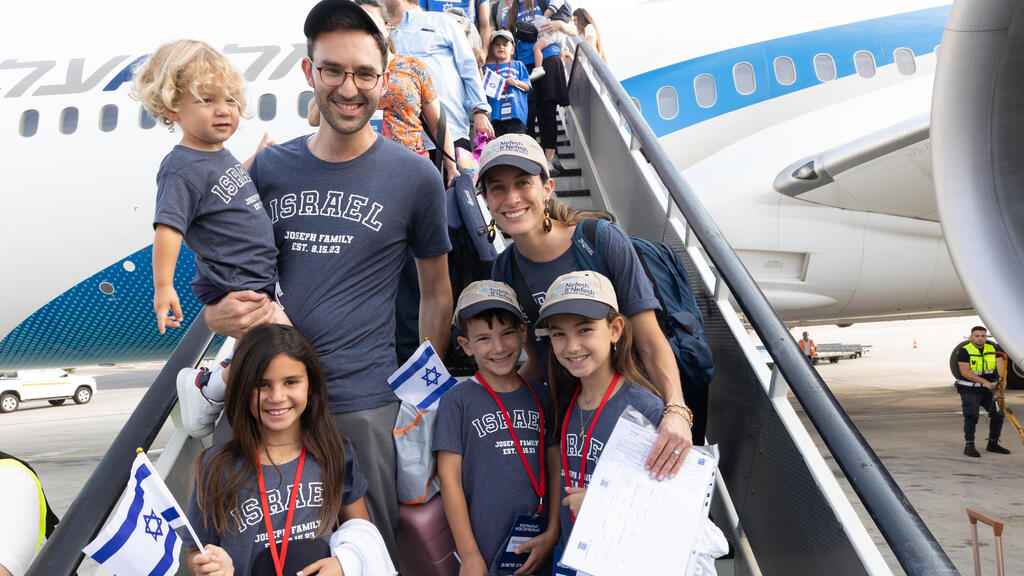
That motivation is translating into action on the ground. Among the panelists was Yocheved Kim Ruttenberg, the newest olah on the panel, who made aliyah with the support of Nefesh B’Nefesh, in partnership with the Ministry of aliyah and Integration, The Jewish Agency for Israel, Keren Kayemeth LeIsrael, and Jewish National Fund-USA, shortly after the events of October 7th. Now, founder of the Sword of Iron Israel Volunteer Corps, Ruttenberg said demand for volunteers spans nearly every sector, from agriculture and food preparation for soldiers to cleanup efforts at missile impact sites. “The war is ongoing, and so is the need,” she said. “Volunteering is not slowing down. People from more than 20 countries are coming to take part in rebuilding and healing.”
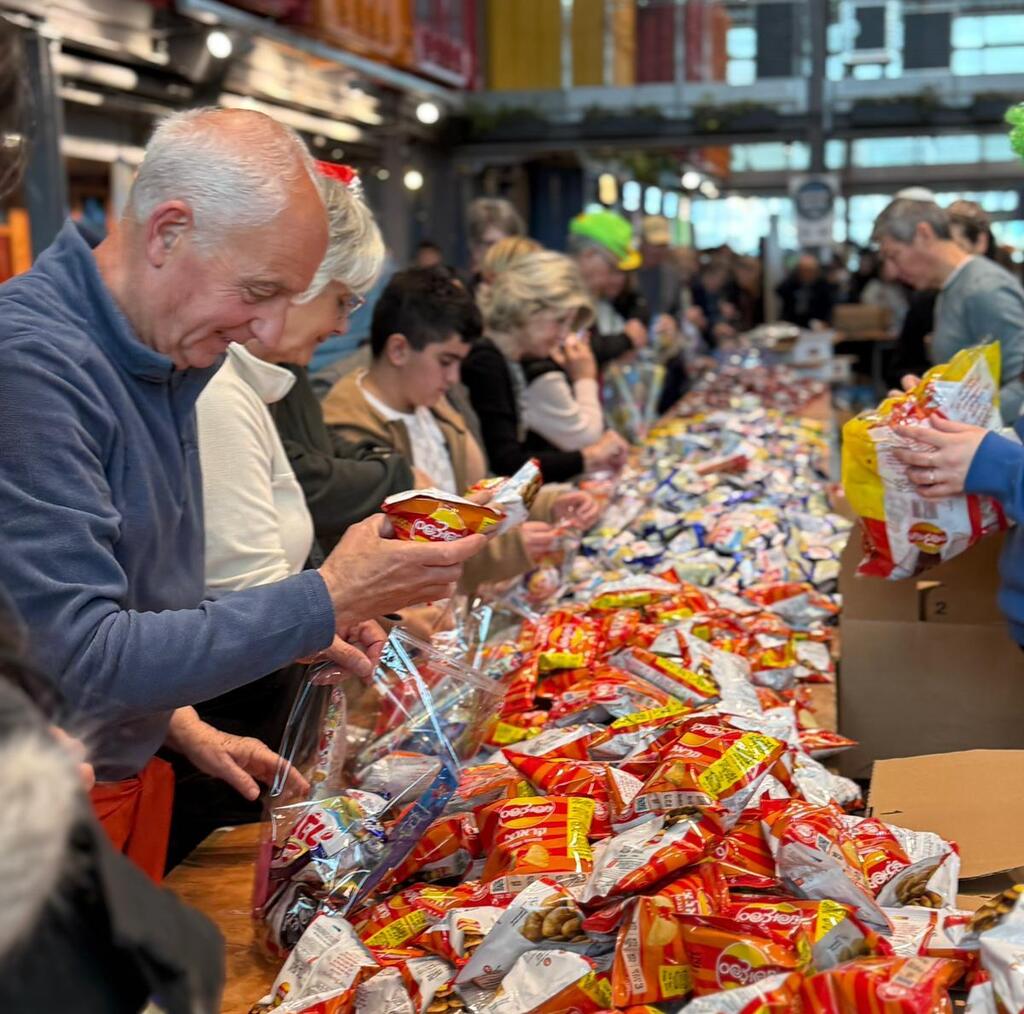
Volunteers with Sword of Iron Israel Volunteer Corp packing goods
(Photo: Yocheved Kim Ruttenberg)
Food security has emerged as a central challenge. Michelle Mayer of Leket Israel said the national food bank has had to repeatedly adapt operations to meet rising demand and labor shortages. In recent weeks, the organization distributed more than 800 tons of produce and tens of thousands of meals, combining rescued surplus food with purchased supplies to ensure continuity. “Farmers are struggling with manpower, and communities are facing increased need,” Mayer said. “Volunteers, especially local ones, have been critical in keeping operations running.”
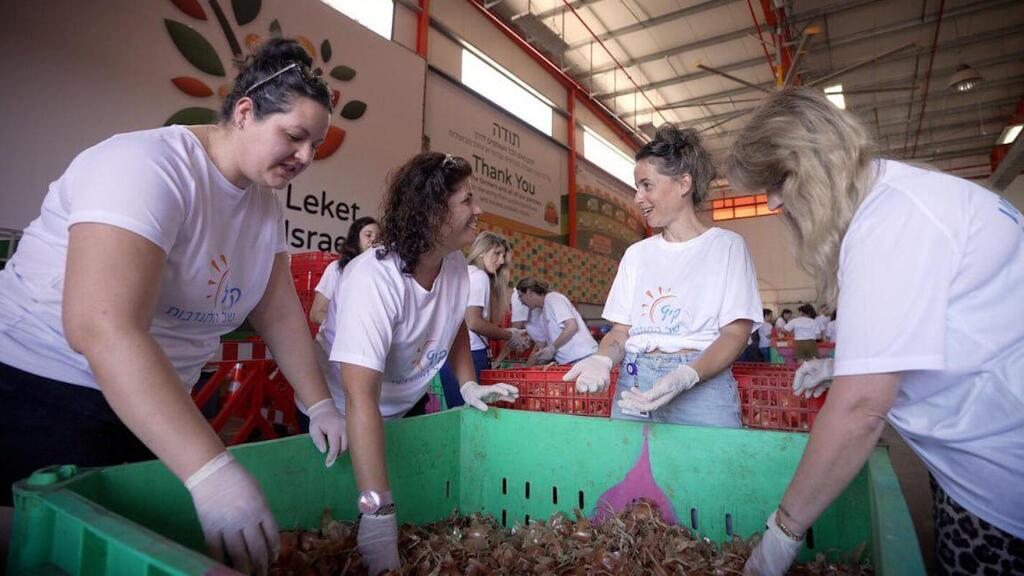
'the organization distributed more than 800 tons of produce' Leket Israel
(Photo: Leket Israel)
At the same time, emergency services are operating at full capacity. Aryeh Myers of Magen David Adom said the national ambulance service has expanded to full deployment, with all vehicles staffed around the clock. “Nothing stops,” he said. “We respond to missile strikes and routine medical calls alike. The system has to handle both simultaneously.” According to Myers, about 90% of MDA’s workforce is made up of volunteers, reflecting what he described as a broader societal pattern.
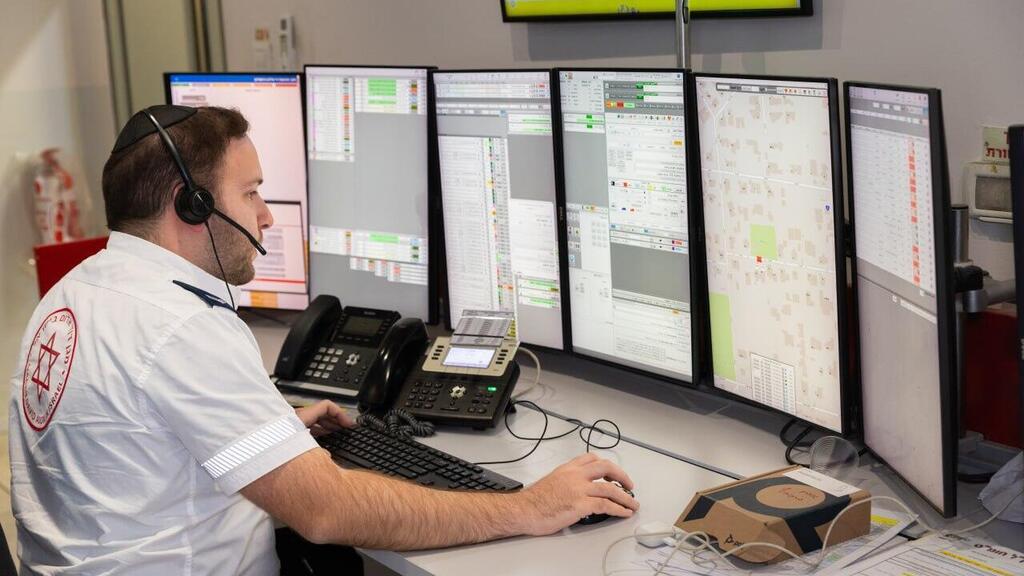
Magen David Adom at work
(Photo: MDA)
Panelists emphasized that while international coverage often focuses on conflict, daily life in Israel continues alongside it. Ruttenberg noted that cities remain active, with residents returning quickly to routine after sirens. “That’s what people abroad are missing,” she said. “Life continues. There is resilience in how people live day to day.” Together, the speakers described a country relying not only on formal institutions but also on an expanding network of volunteers and new immigrants stepping into critical roles. “It’s not just about getting through the crisis,” Rosenberg said. “It’s about people choosing to be here and help shape what comes next.”
*In collaboration with Nefesh B’Nefesh