


A new study by the Hebrew University of Jerusalem reveals how war can profoundly reshape faith and spirituality among young adults. Surveying more than 1,200 students, researchers found that about half reported some change in their level of religiosity or spirituality — with increases far more common than declines.
The study, led by Yaakov Greenwald, Professor Mario Mikulincer, and Professor Ariel Knafo-Noam of the university’s Department of Psychology, found that roughly 25% of respondents said they had become more religious, and about one-third reported a rise in spiritual engagement. For many, the trauma of war appears to have intensified the need for comfort through faith and spiritual exploration. In contrast, about 14% said they had distanced themselves from religion.
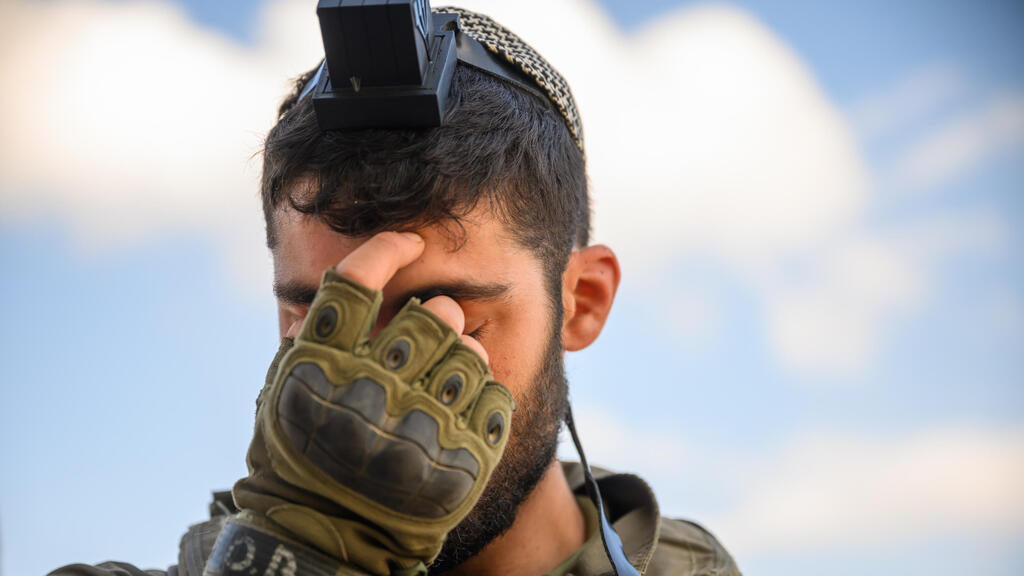
The researchers emphasized that such shifts cannot be understood outside their cultural context. In Israel’s diverse society — comprising secular, traditional, religious and ultra-Orthodox groups — each community’s relationship to belief differs. Members of more religious groups were more likely to report an increase in faith, while secular participants tended to seek meaning through nonreligious forms of spirituality. Some, particularly secular students, even reported declining religiosity — a reminder that war does not push everyone in the same direction.
To explain the findings, the team drew on Terror Management Theory, which suggests that awareness of mortality leads people to seek existential security through cultural values or spiritual beliefs. “Periods of prolonged stress don’t necessarily strengthen faith for everyone,” Greenwald said. “For some, it deepens religious conviction; for others, it strengthens secular values or sparks a spiritual search outside organized religion.”
The study found that direct exposure to war — such as injury, loss of loved ones or living under rocket fire — was strongly linked to both increased religiosity and spirituality. In other words, the more personally people experienced the war, the more likely they were to reexamine their belief systems.
The research offers a rare, real-time glimpse into how faith evolves under the strain of prolonged conflict. While most previous studies have been retrospective, conducted years after wars ended, this one captures belief shifts within months of the current war’s outbreak — showing how quickly faith can transform under crisis.
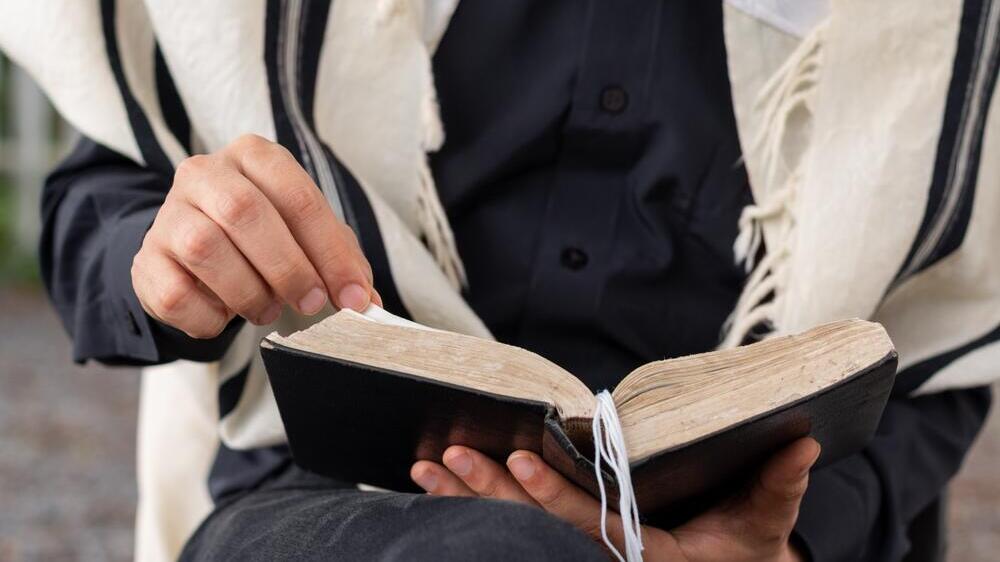
(Photo: Anderson P/ Shutterstock)
Importantly, the study also highlights that religious decline is part of the story. For some, disappointment, grief, or disillusionment with religious institutions led to estrangement from faith at a time when others were turning toward it. The researchers note that recognizing both directions of change is essential to understanding how people search for meaning during trauma.
Ultimately, the study suggests that war is not only a political or military event but also an existential one. It reshapes not just communities and landscapes, but the inner frameworks of belief that guide people’s lives. By showing that faith and spirituality can both rise and fall amid conflict, the research provides crucial insights for mental health professionals, educators, and community leaders supporting populations under sustained stress.
As the war continues, the study serves as a reminder that faith is not fixed — it adapts, evolves, and sometimes fractures under pressure. For some it becomes an anchor; for others, a burden. But in every case, it reflects the deeply human impulse to find meaning in the shadow of mortality.