


Francesca Albanese, the UN special rapporteur on human rights in the Palestinian territories, apologized Monday for incorrectly interpreting a term used for starving prisoners in Nazi concentration camps and for wrongly claiming that the word “antisemitism” originally referred to hatred of all Semitic peoples.
The apology followed criticism from the Yad Vashem Holocaust memorial, which accused Albanese of “clear and dangerous historical revisionism” over comments she made in an interview with the Latin American and Caribbean Confederation of State Workers, or CLATE.
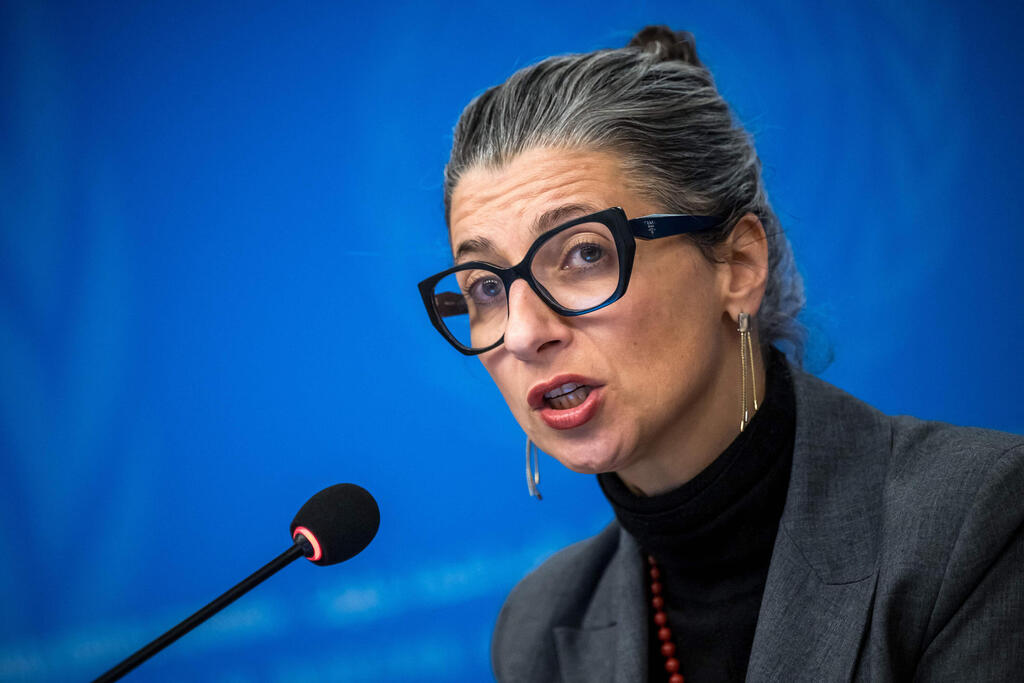
Albanese, an independent expert appointed by the UN Human Rights Council to monitor and report on human rights conditions in the Palestinian territories, has been a frequent and outspoken critic of Israel. She has repeatedly accused Israel of genocide in Gaza, an allegation Israel rejects. Her statements and reports have also drawn repeated accusations from Israeli officials and Jewish organizations of anti-Israel bias and antisemitism, allegations she has rejected.
In the interview, published earlier this month, Albanese discussed the German term “Muselmann,” literally “Muslim,” which was used in Auschwitz and other Nazi concentration camps for prisoners suffering from extreme starvation and exhaustion.
“There are accounts of life in the concentration camps saying that Jews were called ‘the Muslims’ when they were being taken to the gas chambers,” Albanese said.
She cited the term as part of a broader argument that “antisemitism” originally encompassed hostility toward Middle Eastern peoples generally and only gradually came to focus on Jews, whom she described as the largest such population in Europe. She characterized its origins as a form of racial hatred directed against people considered nonwhite, impure or non-Christian.
Albanese added that hatred of Jews “as Jews” exists and is “very serious,” but said it should not be conflated with criticism of the State of Israel.
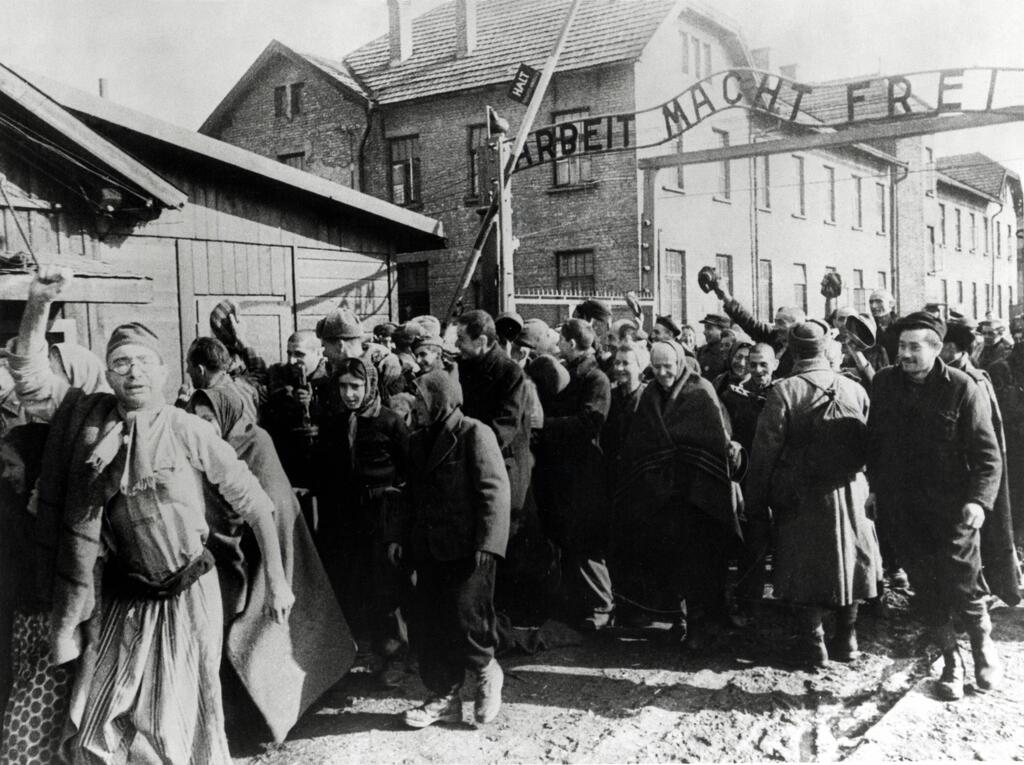
Survivors of the Auschwitz concentration and extermination camp pass through its gates after liberation, February 1945
(Photo: imago images/Reinhard Schultz/Reuters)
Yad Vashem rejected her account, saying Albanese was attempting to recast the Nazi persecution and murder of Jews as part of a broader form of racial hatred rather than a specifically anti-Jewish campaign.
The Holocaust memorial said her account of the history of modern antisemitism and the term itself was fundamentally flawed. It also stressed that “Muselmann” was not a designation reserved for Jewish prisoners and did not indicate that the Nazis regarded Jews as Muslims.
Historical sources support that distinction. The Auschwitz-Birkenau State Museum says “Muselmann” was commonly used at Auschwitz and some other concentration camps to describe prisoners in advanced stages of starvation who were extremely emaciated and exhausted. Such prisoners often died soon afterward or were selected for killing. The museum says the term’s etymology has never been definitively established. It applied to prisoners generally rather than constituting a Nazi racial classification of Jews.
The historical record also does not support Albanese’s original explanation of “antisemitism.” The International Holocaust Remembrance Alliance says German journalist Wilhelm Marr coined the term in 1879 to describe anti-Jewish campaigns and that, despite its linguistic construction, it has referred to prejudice against Jews since its inception. “Semitic,” meanwhile, derives from a linguistic classification that includes languages such as Hebrew and Arabic and does not denote a single racial or national people.
Albanese acknowledged both errors Monday in an apology posted on X.
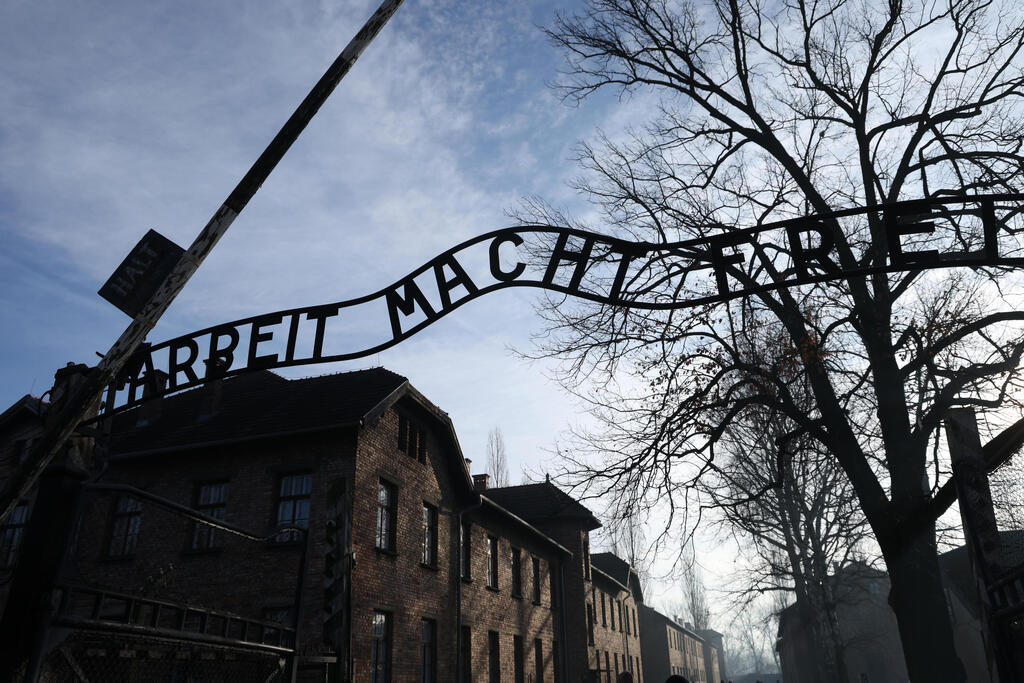
Entrance to the Auschwitz concentration camp
(Photo: Sean Gallup, GettyImages)
“I sincerely apologize,” she wrote. “I misread the term ‘Muselmann’ (Muslim) used in Nazi camps for prisoners at the brink of death, wrongly inferring that the term antisemitism originally meant hatred of all Semitic peoples. In fact it was coined specifically to denote hatred of Jews.”
Her apology came after her comments prompted criticism in Israel and abroad and after Yad Vashem publicly challenged her historical account.
Israel’s ambassador to the United Nations, Danny Danon, responded by accusing Albanese of a broader pattern of distorting Holocaust history and antisemitism to advance what he described as an anti-Israel agenda.
“Holocaust denier Francesca Albanese was caught again. She distorted history and was forced to apologize,” Danon said. “This is not an isolated mistake, but a pattern of exploiting the Holocaust and antisemitism to advance her anti-Israel obsession. It is time for the UN to stop protecting her. Remove her from her position once and for all.”
UN Watch, a Geneva-based organization that monitors the United Nations and is a longtime critic of Albanese, also attacked her comments, saying on X: “Even in the extermination camps: she cannot bring herself to call hatred of Jews by its name without replacing the Jews.”
The dispute is the latest controversy surrounding Albanese, who has served as the UN special rapporteur on the Palestinian territories since 2022. The position is an independent, unpaid expert mandate established by the Human Rights Council, meaning special rapporteurs do not serve as UN staff members and their statements do not necessarily represent the views of the United Nations.