

Eighty-four years after the Babi Yar massacre, researchers have identified 1,000 additional victims of one of the Holocaust’s most infamous atrocities. The names, uncovered through newly opened archives in Ukraine, were revealed Monday at a memorial ceremony in Jerusalem organized by the Babi Yar Holocaust Memorial Center in Kyiv and March of the Living.
The event, titled Memory in Wartime, was held at the National Library of Israel and included testimonies from survivors, archival footage, and new materials never before shown to the public. Among the newly documented stories was that of Yankel Danilovich Krakovitz, born around 1880 in the city of Bakhmut. After the 1917 Russian Revolution, he and his wife Leah settled in Kyiv with their four sons. When the Nazis invaded, the family was offered evacuation but chose to remain. Neighbors last saw Yankel in September 1941, walking with a suitcase toward Babi Yar.
Gallery
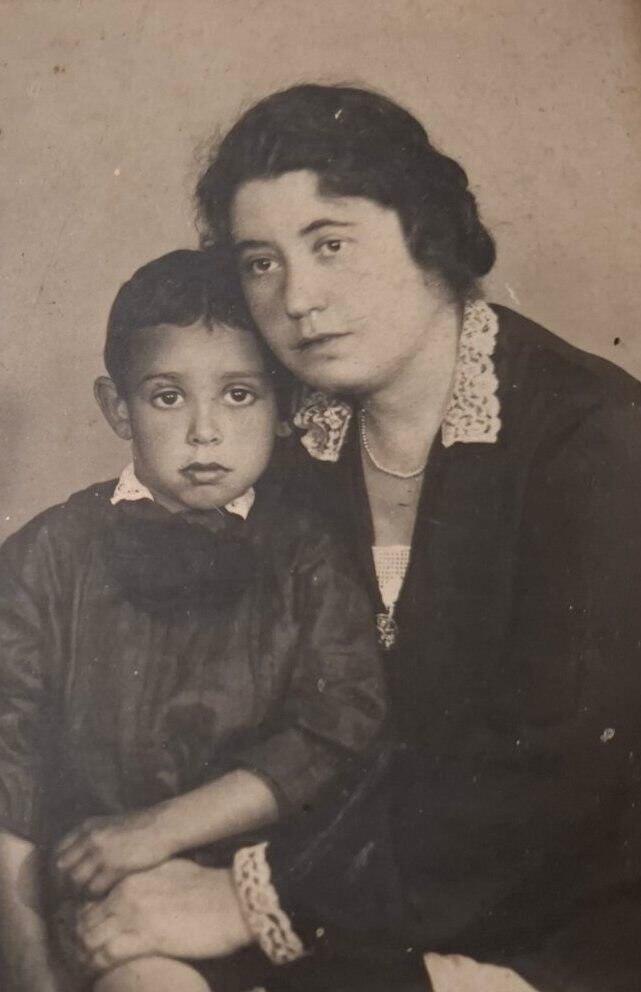
Aspir Ulanovskaya, née Finkelstein, and Adolf Ulanovsky
(Photo: Babi Yar Holocaust Memorial Center)
Babi Yar, a ravine on the outskirts of Kyiv, became a symbol of Nazi mass killings. On Sept. 29-30, 1941, the eve of Yom Kippur, 33,771 Jews — men, women and children — were shot to death in a two-day operation carried out by German SS forces with the assistance of local collaborators. Historians mark the massacre as the beginning of the “Final Solution” in Soviet territory, where extermination was carried out not in gas chambers but by mass shootings.
Over the next two years, Babi Yar became the killing ground for tens of thousands more. Roma, Soviet prisoners of war, and Ukrainian opponents of the Nazi regime were executed there, making it the largest mass grave in Europe. Under Soviet rule, discussion of the massacre was suppressed, and Jewish victims were not named in public memorials.
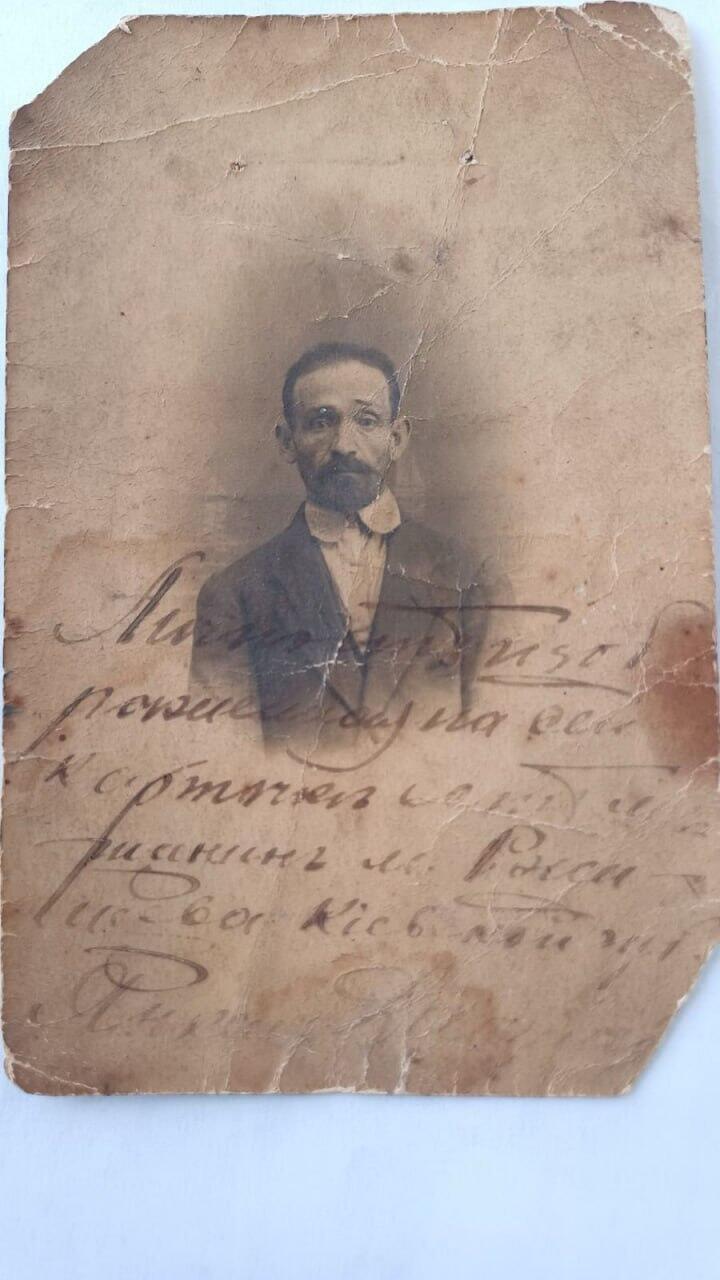
Yankel Danilovich Krakovitz
(Photo: Babi Yar Holocaust Memorial Center)
The Memorial Center’s progress report, released ahead of the anniversary, emphasized that the new identifications were possible thanks to the opening of archives sealed for 75 years. Researchers discovered adoption requests for children orphaned in the massacre, as well as petitions by relatives seeking legal recognition of deaths for inheritance, remarriage and financial assistance.
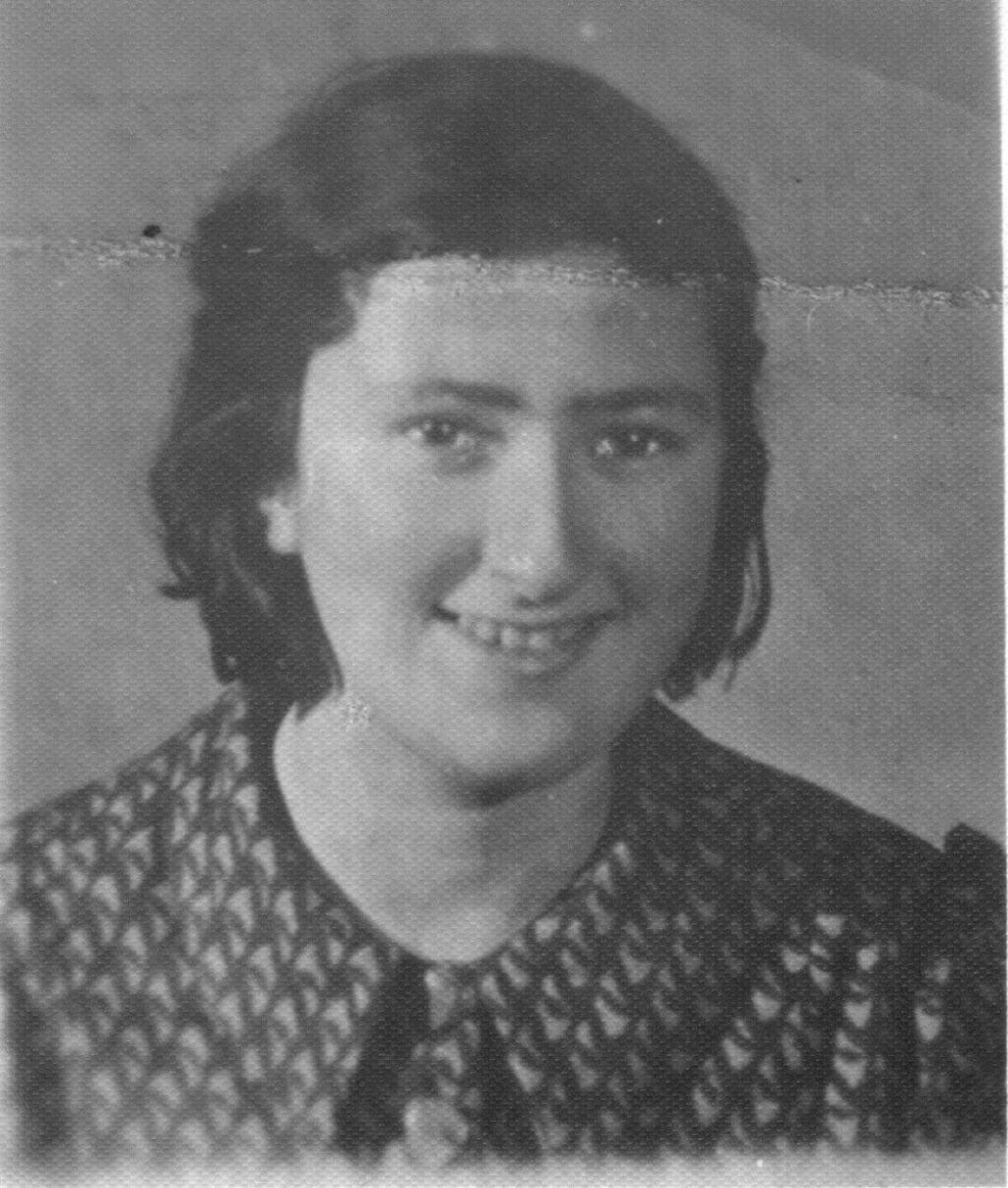
Valentina Kaufman
(Photo: Babi Yar Holocaust Memorial Center)
One 1946 court file revealed testimony from Zindel Kravetsky, who sought recognition of the deaths of his wife and three young children — Aron, 8, Zoya, 6, and Vova, 4 — all murdered at Babi Yar.
At this year’s commemoration, the newly identified names will be read aloud at the ravine for the first time. Organizers said that the act of remembrance carries particular significance during wartime, when Ukraine itself is under attack.
Natan Sharansky, chairman of the Babi Yar Holocaust Memorial Center, said the work is not only about history but also about justice.
“Memory is a moral weapon against denial, forgetting and distortion,” Sharansky said. “The war in Ukraine is ideological no less than territorial. There is a blatant attempt to undermine and even erase history. Every name we restore to existence contributes to Holocaust remembrance and advances justice and dignity for its victims.”
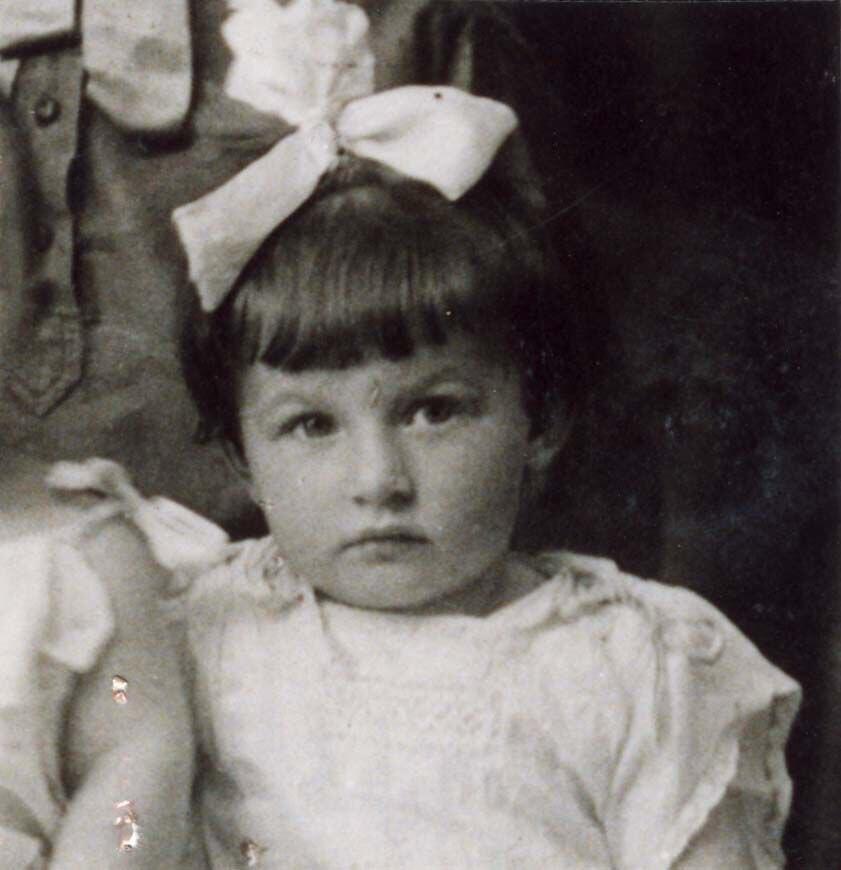
Mara Radotzka
(Photo: Babi Yar Holocaust Memorial Center)
Revital Yachin Krakovsky, CEO of March of the Living in Israel, recalled the first Kaddish prayer ever recited at the site in memory of the victims. “Every new name revealed brings justice to the victims and to history,” she said.
Despite the ongoing war, the Memorial Center said its team will continue expanding research through international cooperation, family testimonies, and further archival work. The effort, it said, is aimed at preserving the memory of the victims of Babi Yar for future generations — even under fire.