

As Rosh Hashanah approaches, the journey to the tzaddikim is not limited to Uman alone. New York, Medzhibozh, Karastir, and Leżajsk also attract tens of thousands of Hasidim who believe that the path to a blessed new year begins with prayer at the resting places of righteous leaders, whether living or deceased.
For many, the trip is a chance to reconnect with the heritage of Hasidism, to feel the power of spiritual devotion, and to absorb the unique energy associated with the tzaddikim.

Hasidism itself began with the formation of “courtyards” - communities built around a spiritual leader who guided followers toward a life of Torah and mitzvot. These leaders were a source of inspiration, advice, and encouragement. The tradition continues today, as Hasidim travel long distances during the High Holidays to connect with the prayers and spiritual leadership of their rabbis. Beyond prayer and study, the journeys provide participants with a deep sense of belonging and an intense spiritual experience rarely found in daily life.
Uman and the Rosh Hashanah phenomenon
Rabbi Nachman of Breslov, who is buried in Uman, told his followers: “My Rosh Hashanah is above everything.” He promised that those who came to be near him during the holiday “would not need to undergo suffering or harsh penance to merit a good year.” In recent decades, the slogan “Uman Rosh Hashanah” has taken off, popularized through songs, stickers, and posters, and has drawn crowds far beyond the Breslov community itself.
The atmosphere in Uman features massive prayer gatherings, stirring melodies, dancing, and moral talks, creating a powerful communal experience of faith and hope for the year ahead.
Medzhibozh– The Baal Shem Tov’s resting place
Medzhibozh, where the Baal Shem Tov, the founder of the Hasidic movement, is buried, is another important center of pilgrimage. The town holds over a hundred graves of Hasidic leaders, including his children and sons-in-law, as well as the grave of “Hershele the Holy Jester.” Today, the city offers kosher hospitality facilities near the holy sites, including hotels, ritual baths, and synagogues, all under strict supervision.

Medzhibozh, where the Baal Shem Tov, the founder of the Hasidic movement, is buried
(Photo: Yoel Rapel)
While the highlight of the year is the Baal Shem Tov’s memorial anniversary on the holiday of Shavuot, thousands also come for Rosh Hashanah and the Ten Days of Repentance. Visitors experience festive communal meals, vibrant prayer gatherings, and a tangible connection to Hasidism’s deep roots.
770 – New York
The late Lubavitcher Rebbe’s headquarters at 770 Eastern Parkway in Brooklyn became a hub for mass prayer during his lifetime and remains so today. It continues to draw not only Hasidim but also visitors from outside the Jewish community, serving as a lively center of Chabad activity. Recently, a young Chabad follower heading to New York for the holiday was detained for evading mandatory military service in Israel. A reminder of the tensions some young Hasidim face between religious devotion and worldly obligations.
Other Hasidic leaders around the world
Lesser-known rabbis also become focal points during the holidays. In the Hungarian town of Karastir, the grave of Rabbi Yeshayah Steiner, founder of the Karastir Hasidic dynasty, draws crowds during Rosh Hashanah and Shavuot. Known for his spiritual gifts and legendary hospitality, Steiner was said to give to the needy even when he himself lacked resources. His son-in-law, who succeeded him as rebbe, was murdered in the Holocaust, but Steiner’s legacy endures, and his gravesite remains a magnet for pilgrims. Hotels in the town serve visitors year-round.
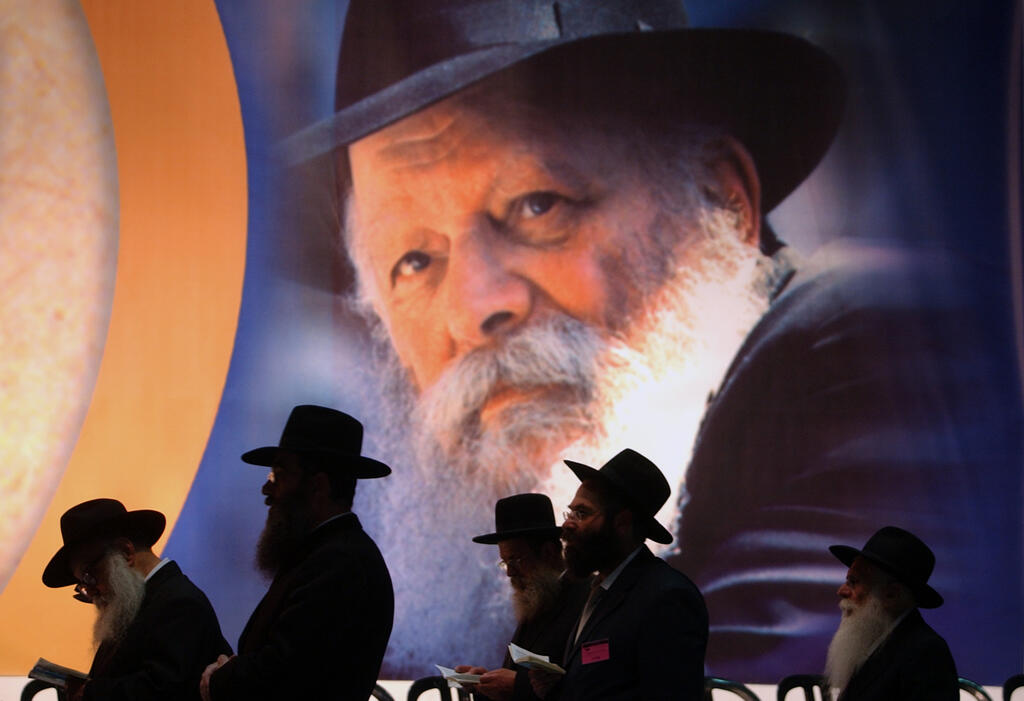
the Lubavitcher Rebbe
(Photo: AP)
Similarly, the grave of Rabbi Elimelech of Leżajsk in Poland is another major Hasidic destination, attracting large crowds each holiday season.
A New Year with the Rebbes
In Israel, celebrating alongside revered rabbis comes with economic challenges. Many Hasidim seek to spend the holidays with their leaders, both famous and lesser known. The Belzer Rebbe leads prayers in his Jerusalem headquarters, while last year the Boyan Hasidic leadership appealed to nearby residents not to raise apartment rental prices during the holidays, in order to keep access affordable. The community also encouraged worshippers who could travel without their families to do so, helping reduce costs and ease logistics.
“The phenomenon is most visible in Uman on Rosh Hashanah,” says Haredi journalist Israel Cohen. “But you also see crowds gathering around other tzaddikim, from the U.S. to Europe. In Medzhibozh, for instance, there’s a vibrant Jewish community, with hotels and private homes purchased for hosting pilgrims. People come to connect with God, to pray, and to feel the energy of holiness. Hasidim believe that the rebbe channels their prayers directly to the Creator.”
In total, more than 150,000 people travel each year, investing significant money and time. The experience combines prayer, music, Torah study, and the preservation of Hasidic tradition, offering participants a profound spiritual connection that many carry with them throughout the year.