


Ceremonies, air force flyovers and barbecues are among the most recognizable symbols of Independence Day in Israel, but over the years there have also been repeated attempts to create a formal “Independence Day Haggadah,” modeled after the Passover Haggadah, to give the national holiday a deeper historical, cultural and Jewish dimension.
A new book by Prof. Asa Kasher, published in Israel, traces and analyzes those efforts. In Independence Day Haggadot, Kasher documents initiatives dating back to the early years of the state and examines why none became a lasting national tradition.
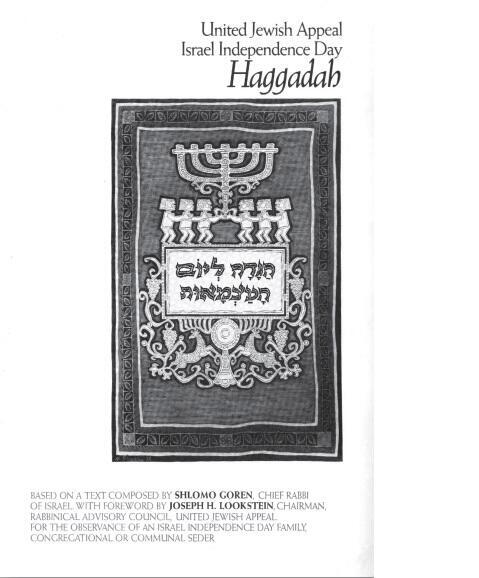
One of the earliest efforts came in March 1952, when then-education minister Ben-Zion Dinur headed a public committee that called on families, neighbors and friends to gather for festive meals on the eve of Independence Day and read texts related to the holiday. The initiative aimed to create a shared civic ritual similar in structure to the Passover Seder.
Dinur also proposed that Israel soldiers mark the evening with a ceremonial gathering that would include reading a specially written Haggadah. Author Aharon Meged was tasked with composing the text, which drew on the structure and language of the traditional Passover Haggadah but focused on modern history.
Meged’s version highlighted the struggle to establish the state and the role of fighters in the 1948 war. It included passages describing threats faced by the Jewish community and its ability to defend itself, echoing themes from the traditional Haggadah but placing the emphasis on human action rather than divine intervention.
The text drew sharp criticism from religious circles. The ultra-Orthodox newspaper Hamodia described it as a public desecration of sacred tradition, while religious Zionist leaders and military rabbis objected to what they saw as replacing religious themes with a nationalist narrative. According to Kasher, many copies of the Haggadah were ultimately destroyed following the backlash.
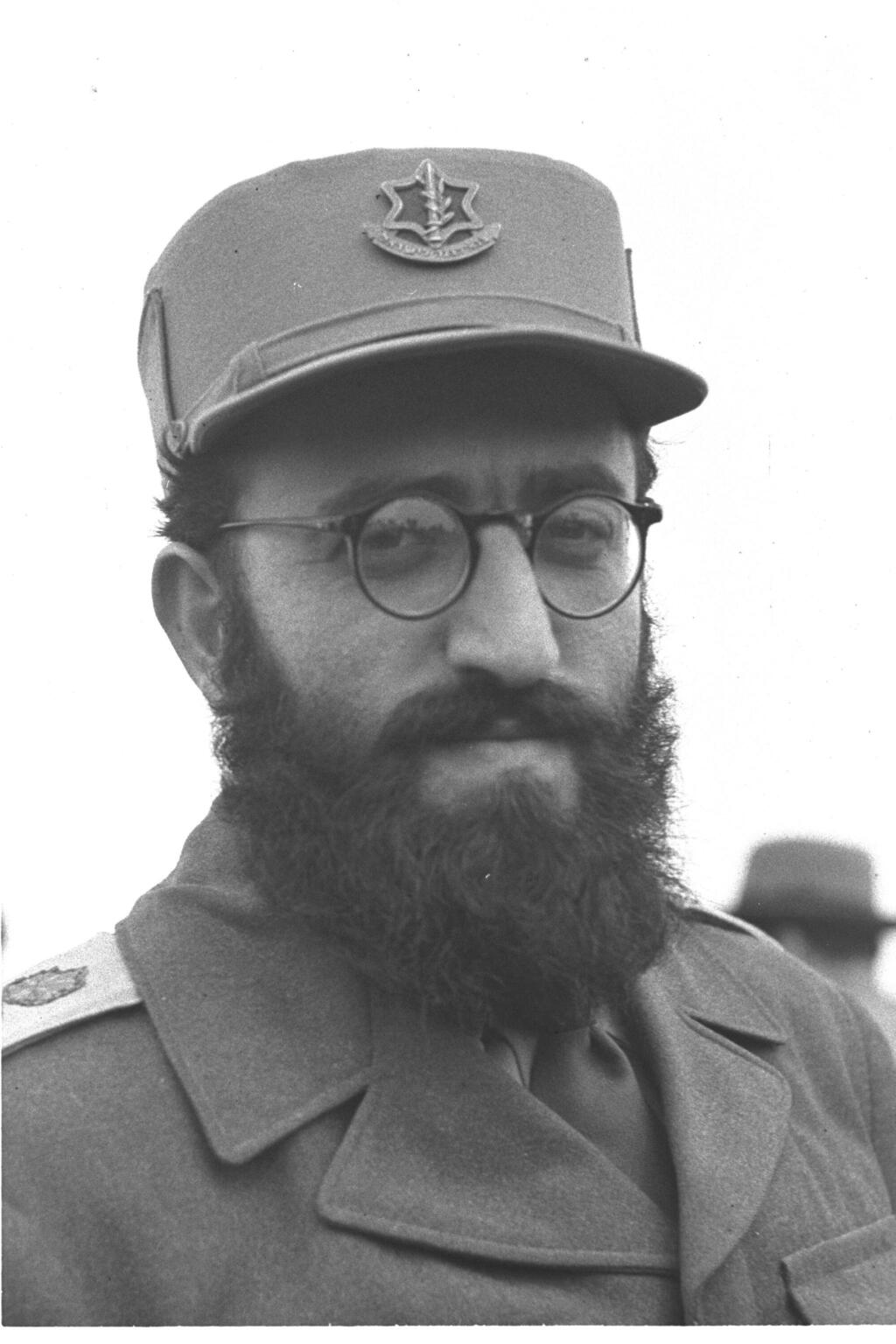
Rabbi Shlomo Goren
(Photo: GPO)
Another version was written decades later by Rabbi Shlomo Goren, the first chief rabbi of the IDF and later chief rabbi of Israel. Goren sought to frame Independence Day as a religious holiday and designed a Haggadah that blended traditional Jewish liturgy with modern Israeli themes.
His text, compiled for the state’s 30th anniversary in 1978, opened with biblical verses honoring fallen soldiers, including passages traditionally associated with mourning and national loss. It included the recitation of Hallel — Psalms of praise recited on Jewish holidays — and introduced a special blessing thanking God for miracles in the land of Israel.
Goren also outlined a structured festive meal resembling a Passover Seder. His Haggadah incorporated songs such as “Jerusalem of Gold,” “Hatikvah,” Israel’s national anthem, and other traditional and modern pieces. It also called for drinking five cups of wine — one more than the four customary at the Passover Seder — symbolizing an additional stage of redemption tied to the return of the Jewish people to the land of Israel.
Despite its detailed framework and integration of religious elements, Goren’s version did not gain widespread use, in part because it was not broadly distributed, though an English edition was later published abroad.
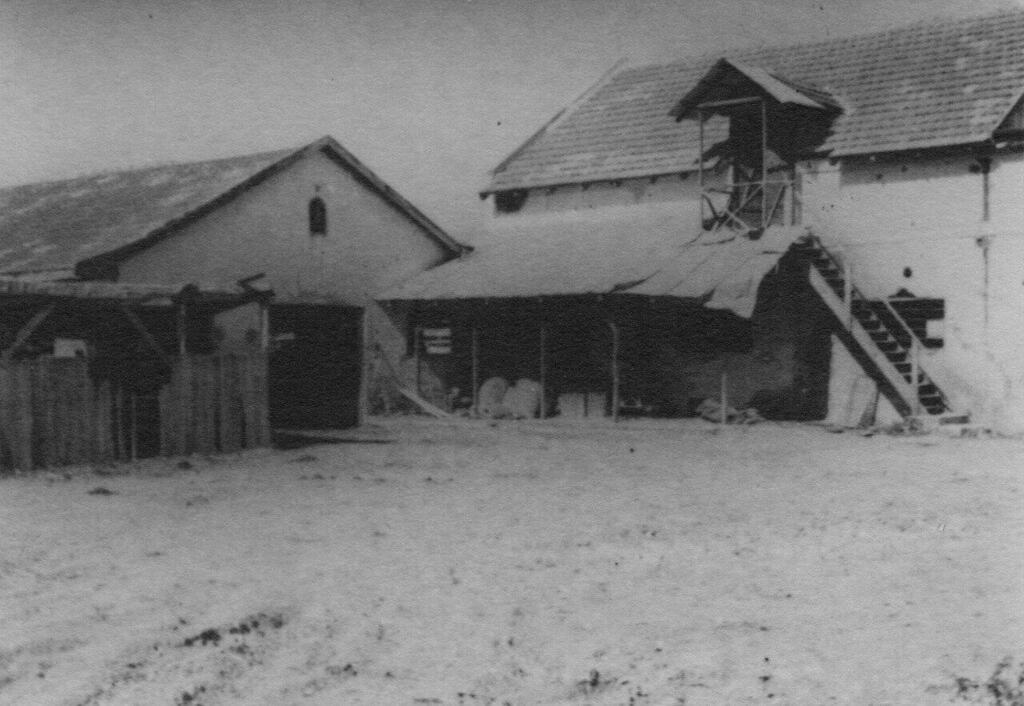
Kibbutz Degania
The book highlights numerous other efforts, reflecting both secular and religious approaches. Members of Kibbutz Degania Bet created an early Haggadah in 1949, incorporating collective readings and references to agricultural life and settlement. Another version from Kibbutz Givat Brenner, marking the state’s 10th anniversary, included symbolic foods such as wine, honey, olives and seasonal fruits, and encouraged participants to share personal stories of immigration and community-building.
Some texts adapted the format for younger audiences. A children’s version by author Levin Kipnis reimagined the traditional “four sons” as military ranks — general, captain, sergeant and private — linking the narrative of the holiday to military service in Israel.
Later initiatives introduced more interactive elements. Versions produced in the 1990s encouraged families to place personal items related to immigration or the founding of the state on the table — such as documents, photographs or heirlooms — and share their stories as part of the ceremony.
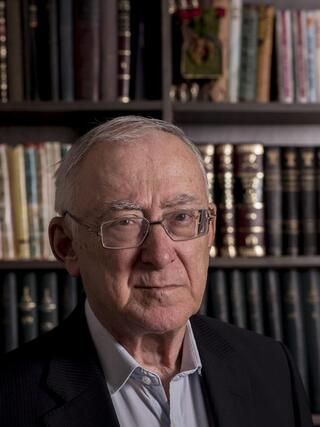 Prof. Asa Kasher
More than 100 such texts have likely been written, according to Kasher, reflecting ongoing efforts to shape a shared cultural narrative around Independence Day.
One of the most recent examples, written by Israeli songwriter Yoram Taharlev in 2019, adapted core Passover concepts to modern Israeli history. In his version, traditional symbols such as Passover, matzah and bitter herbs were reinterpreted to represent themes like national unity, political compromise and the hardships of repeated wars.
Kasher said the time has come to create a new Independence Day Haggadah that reflects more recent events, including the war with Hamas — which Israel refers to as the “Swords of Iron” war — as well as broader regional confrontations.
“Independence Day Haggadot are meant to express the identity of the state, its spirit and values, its fate and its history,” Kasher said, adding that future versions used in family and community celebrations should incorporate these developments.