


The Tisha B’Av fast in 2026 will begin at sunset on Wednesday, July 22, and continue until nightfall on Thursday, July 23.
The fast will begin at 7:47 p.m. in Jerusalem, 7:45 p.m. in Tel Aviv, 7:48 p.m. in Haifa, 7:46 p.m. in Be'er Sheva, 7:44 p.m. in Petah Tikva, 7:46 p.m. in Modi’in, 7:46 p.m. in Netanya, 7:45 p.m. in Ashdod, 7:45 p.m. in Ashkelon, 7:49 p.m. in Safed, 7:46 p.m. in Tiberias, 7:39 p.m. in Eilat and 7:44 p.m. in Kiryat Shmona.
The fast will end Thursday at 8:12 p.m. in Jerusalem, 8:14 p.m. in Tel Aviv, 8:15 p.m. in Haifa, 8:12 p.m. in Be'er Sheva, 8:14 p.m. in Petah Tikva, 8:13 p.m. in Modi’in, 8:15 p.m. in Netanya, 8:14 p.m. in Ashdod, 8:14 p.m. in Ashkelon, 8:14 p.m. in Safed, 8:13 p.m. in Tiberias, 8:08 p.m. in Eilat and 8:14 p.m. in Kiryat Shmona.
Why do Jews fast on Tisha B’Av?
In Jewish tradition, Tisha B’Av marks the destruction of the First and Second Temples in Jerusalem. The sages established the fast as an expression of national mourning and as a call for repentance, based on the belief that the causes of the destruction remain relevant to Jewish society.
According to tradition, five major tragedies occurred on the date.
The first was the sin of the spies in the desert, after which the Israelites’ entry into the Land of Israel was delayed for 40 years.
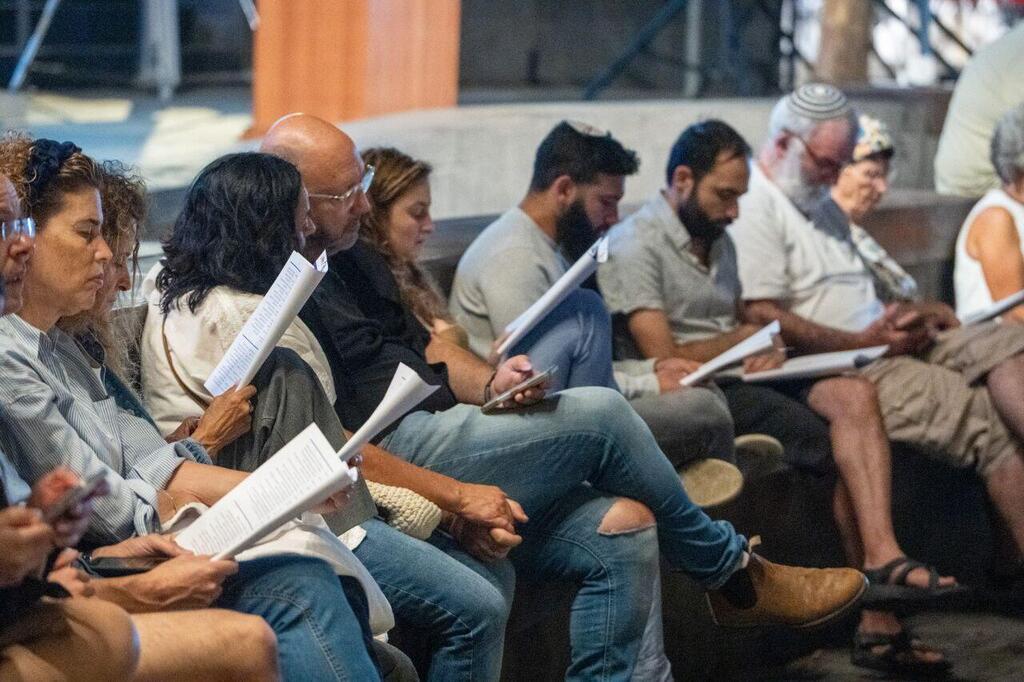
(Photo: Shalev Shalom)
Both Temples were later destroyed on Tisha B’Av, the First Temple by the Babylonians and the Second Temple by the Romans.
The date is also associated with the fall of the city of Betar during the Bar Kokhba revolt and with the plowing of Jerusalem ahead of the construction of a Roman city in its place.
What is forbidden during the fast?
Jewish law requires those observing Tisha B’Av to refrain from five activities: eating and drinking, bathing, applying oils or lotions, marital relations and wearing leather shoes.
Additional mourning practices are also observed. These include avoiding sitting on a regular chair until midday, refraining from greeting others with “shalom,” avoiding distracting or frivolous activities and not performing nonessential work before midday.
Torah study is generally restricted to texts related to mourning, destruction or human suffering, including the Book of Lamentations, accounts of the Temple’s destruction and the Book of Job.
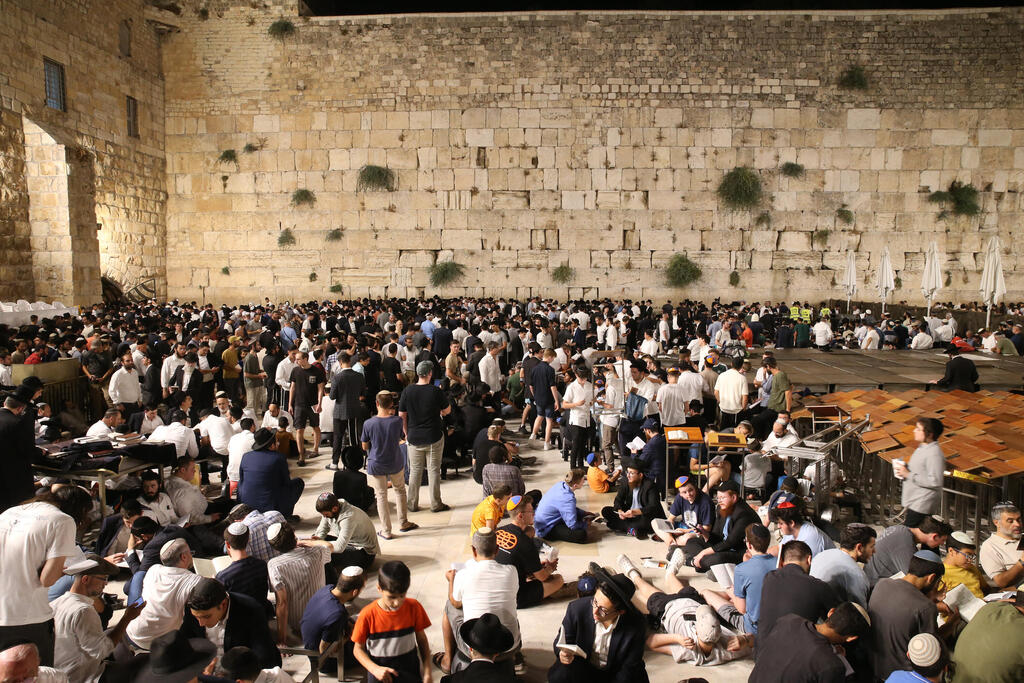
(Photo: Amit Shaabi)
The customary restrictions of the Nine Days, including abstaining from meat and wine, continue until midday on the following day, the 10th of Av.
Tisha B’Av is considered more severe than the other minor fasts, including the 17th of Tammuz, the 10th of Tevet, the Fast of Gedaliah and the Fast of Esther.
Unlike those fasts, which begin in the morning, Tisha B’Av begins the previous evening. It also includes all five restrictions, while the minor fasts generally prohibit only eating and drinking.
In that respect, Tisha B’Av resembles Yom Kippur. However, Yom Kippur is a Torah commandment, while Tisha B’Av was instituted by the prophets and the sages.
Jewish tradition also holds that the fast will eventually be abolished after the rebuilding of the Temple, as occurred during the Second Temple period.
Who is exempt from fasting?
A person whose doctor says fasting would endanger their health must not be stringent and fast anyway.
Those who are able to fast but need to take medication may swallow it normally. If water is required, they should try to use a small quantity.
Children under the age of bar or bat mitzvah are not required to fast. Unlike Yom Kippur, they are generally not trained to fast for several hours.
Pregnant and breastfeeding women are formally required under Jewish law to fast on both Yom Kippur and Tisha B’Av.
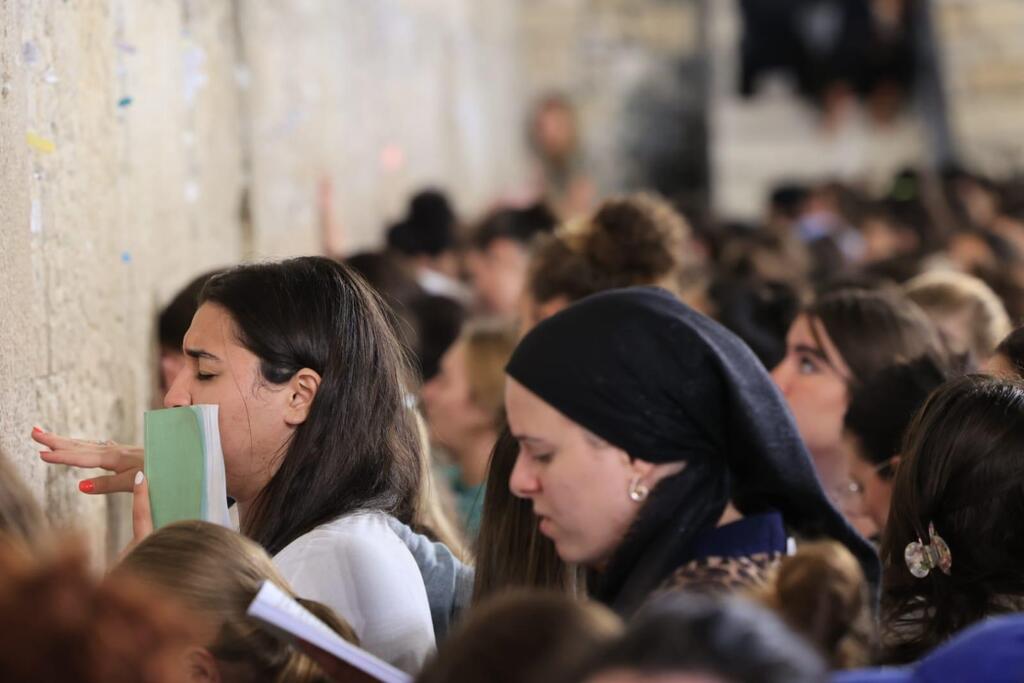
(Photo: The Western Wall Heritage Foundation)
However, because Tisha B’Av is a rabbinic fast rather than a Torah commandment, rabbinic authorities are considerably more lenient in cases of need.
The Shulchan Aruch states that pregnant and breastfeeding women should complete the Tisha B’Av fast as they do on Yom Kippur. Many contemporary rabbinic authorities, however, argue that people are physically weaker today and that fasting may endanger the woman or fetus.
Breastfeeding women may face reduced milk production, especially after the fast. One possible solution is to pump and refrigerate milk in advance. When necessary, leniencies may be applied, particularly when the baby is exclusively breastfed.
A woman within 30 days of giving birth is exempt from fasting according to all opinions.
A woman who gave birth within the previous 24 months and is experiencing weakness may also eat and drink during this year’s fast.
Are soldiers on operational duty exempt?
Soldiers whose ability to perform operational duties could be harmed by fasting are exempt. They may also wear regular shoes when required for military activity.
During wartime, the Military Rabbinate prepared special guidance for soldiers in the field and made the exceptional decision to allow military training on fast days.
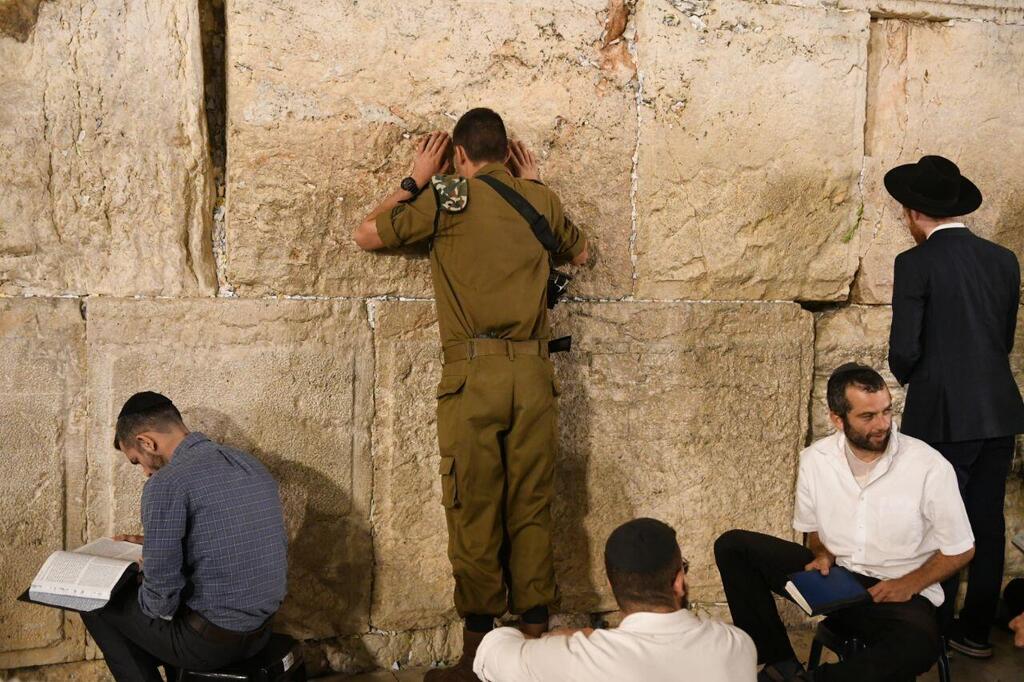
(Photo: Rafi Kurz)
Soldiers training on Tisha B’Av are instructed to begin the fast. If they feel they can no longer continue training safely, they should eat a small amount so they can return to full operational capacity.
They are advised to prepare food in advance and keep it accessible so the disruption to training remains minimal.
According to Military Rabbinate instructions, soldiers engaged in operational activity must continue eating when necessary to preserve readiness. They should consult their unit rabbis, who are deployed across military bases and operational sectors.
Must all kinot be recited?
Some communities read the Book of Lamentations from a kosher scroll and recite the appropriate blessing before the reading.
Kinot books contain many elegies composed over centuries, often in difficult poetic language that can be hard even for fluent Hebrew speakers to understand.
Rabbinic authorities say it is permissible to shorten the selection of kinot in order to recite them with greater concentration and understanding.
Many communities use a selected list and also add elegies commemorating Holocaust victims and other Jewish tragedies.
The halachic responses were provided by Rabbi Shmuel Shapira, Rabbi David Stav and Rabbi Mordechai Efrati.