


The Knesset plenum approved, by a vote of 65 in favor and 41 opposed, a bill expanding the authority of rabbinical courts, during a session that stretched from Monday night into Tuesday. Under the law, rabbinical courts will be able to adjudicate not only marriage, divorce and religious matters, but also civil disputes with the consent of both parties.
The proposal was advanced by ultra-Orthodox lawmakers led by Knesset lawmaker Moshe Gafni. It is also seen as an effort to appease the ultra-Orthodox parties, which have expressed anger over the absence of a military conscription law and over legal hurdles related to coalition funding for educational institutions amid petitions to the High Court of Justice.
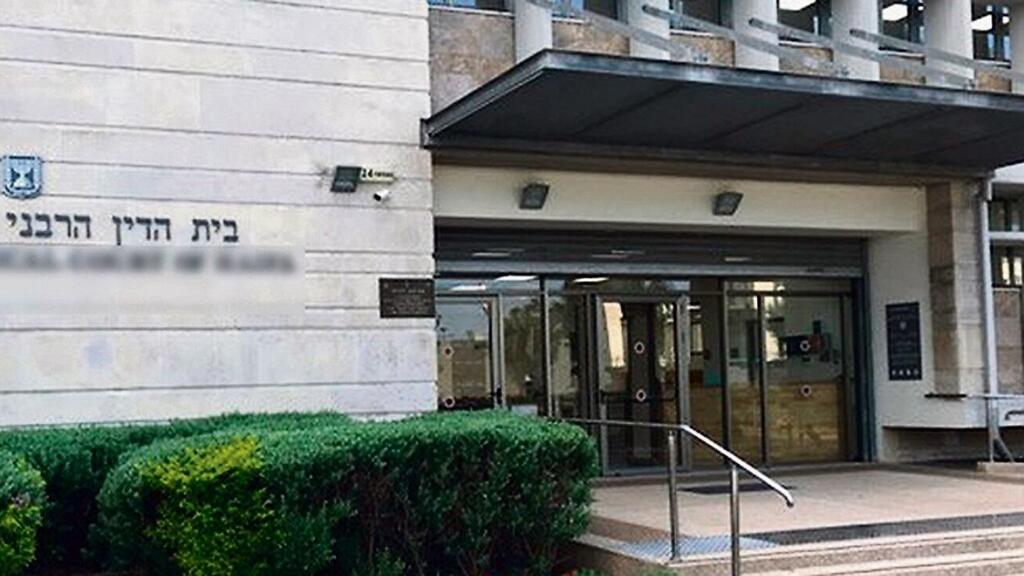
Rabbinical Court
(Photo: Spokesperson for the Rabbinical Courts)
Opposition leader Yair Lapid sharply criticized Likud and the ultra-Orthodox parties during a Yesh Atid faction meeting. “Today is the day the status quo died. There is no longer a status quo on matters of religion and state. Today it ends. There is a name for when rabbis receive the powers of a court: it’s called a halachic state. The ultra-Orthodox told us today, ‘You are our cash cow, and we will exploit every opportunity. The war is an opportunity to steal much more.’”
Lapid also said Likud lawmakers “are behaving like rags” and capitulating to the ultra-Orthodox on all issues. “In the next government we will pass legislation stating that anyone who receives a draft order and does not report to the induction center will not receive a single shekel from the state — not allowances, not daycare, not housing assistance," he asserted.
Gafni initiated the bill. “I first submitted this bill immediately after the High Court ruling on the 8th of Nisan 5766 — symbolically exactly 20 years ago," he said during the plenum debate. "I hear the opposition claiming that the status quo ended today, and I ask: where was the status quo when I introduced the chametz law, which authorizes hospital directors to prevent the introduction of leavened products into medical centers, or in other cases? Especially during wartime, when we need salvation from the Holy One, blessed be He, when two people wish to adjudicate monetary disputes according to Torah law with the consent of both parties — what is wrong with that? The status quo here was and remains!”