

Law enforcement officials in New York disrupted a plot last month to assassinate a Palestinian activist, according to a report in The New York Times, drawing renewed attention to a fringe offshoot of the Jewish Defense League and a broader current of online radicalization.
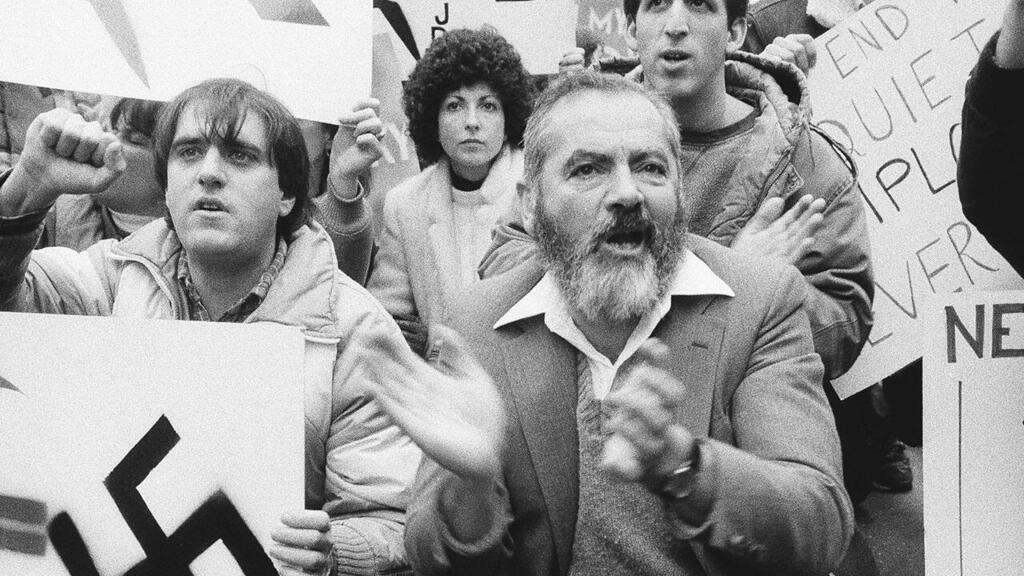
Authorities said the suspect, Alexander Heifler, 26, discussed plans to kill activist Nerdeen Kiswani, 31, with an undercover detective posing as a member of a group known as the J.D.L. 613 Brotherhood. The group is described as an offshoot of the Jewish Defense League, or JDL, a militant organization founded in 1968 by Rabbi Meir Kahane.
The alleged attack was thwarted after Heifler shared details of the plan, prosecutors said. He has been charged with making and possessing Molotov cocktails and has remained in custody since his arrest. His lawyer declined to comment, according to The New York Times.
The case has brought attention to what the report described as a resurgence of Jewish extremism in New York, combining hard-line Zionist ideology with themes common in the “manosphere,” an online subculture focused on masculinity and male identity.
The JDL, once active in patrolling Jewish neighborhoods against antisemitism, has been linked to violent attacks in the United States and Israel. The FBI described it as a terrorist group in 2001, though it is not currently designated as such. The organization has long been considered largely inactive, though remnants remain, including a base in Chicago.
The newer group, J.D.L. 613, was founded in 2024 by Yisrael Yaacob Ben Avraham, a New Jersey resident who converted to Judaism shortly before Hamas’ Oct. 7, 2023, attack on Israel, which triggered the ongoing war in Gaza. He told The New York Times he formed the group out of concern over rising antisemitism and admiration for Kahane. Online, the group promotes what it calls Jewish self-defense and frequently discusses challenges facing Jewish men, including antisemitism, loneliness and mental health struggles. Its messaging has included calls for strength and, at times, rhetoric endorsing violence, according to the report.
Ben Avraham condemned Heifler’s alleged actions, saying his group opposes illegal violence and supports law enforcement. “It hurts the group, it hurts Zionism, it hurts Judaism,” he told The New York Times.
Still, the group’s social media posts have included messages urging followers to “embrace violence” against antisemites and promoting firearm ownership as a religious duty.
Experts cited in the report said such groups often gain traction online among individuals seeking belonging or purpose. Barry Jonas, a former federal counterterrorism prosecutor, said extremist movements frequently appeal to people who feel isolated.
The size of J.D.L. 613 remains unclear. Ben Avraham declined to provide membership figures, though he said several dozen people attended a meeting around the time of Heifler’s arrest. A separate group, J.D.L. USA, based in Chicago, claims to be the legitimate successor to Kahane’s movement and has criticized J.D.L. 613 as reckless.
Kahane, an American-born rabbi, later founded the Kach party in Israel, which was banned for inciting racism. His ideology, known as Kahanism, advocates Jewish sovereignty based on religious law and has been widely rejected by mainstream Jewish organizations.
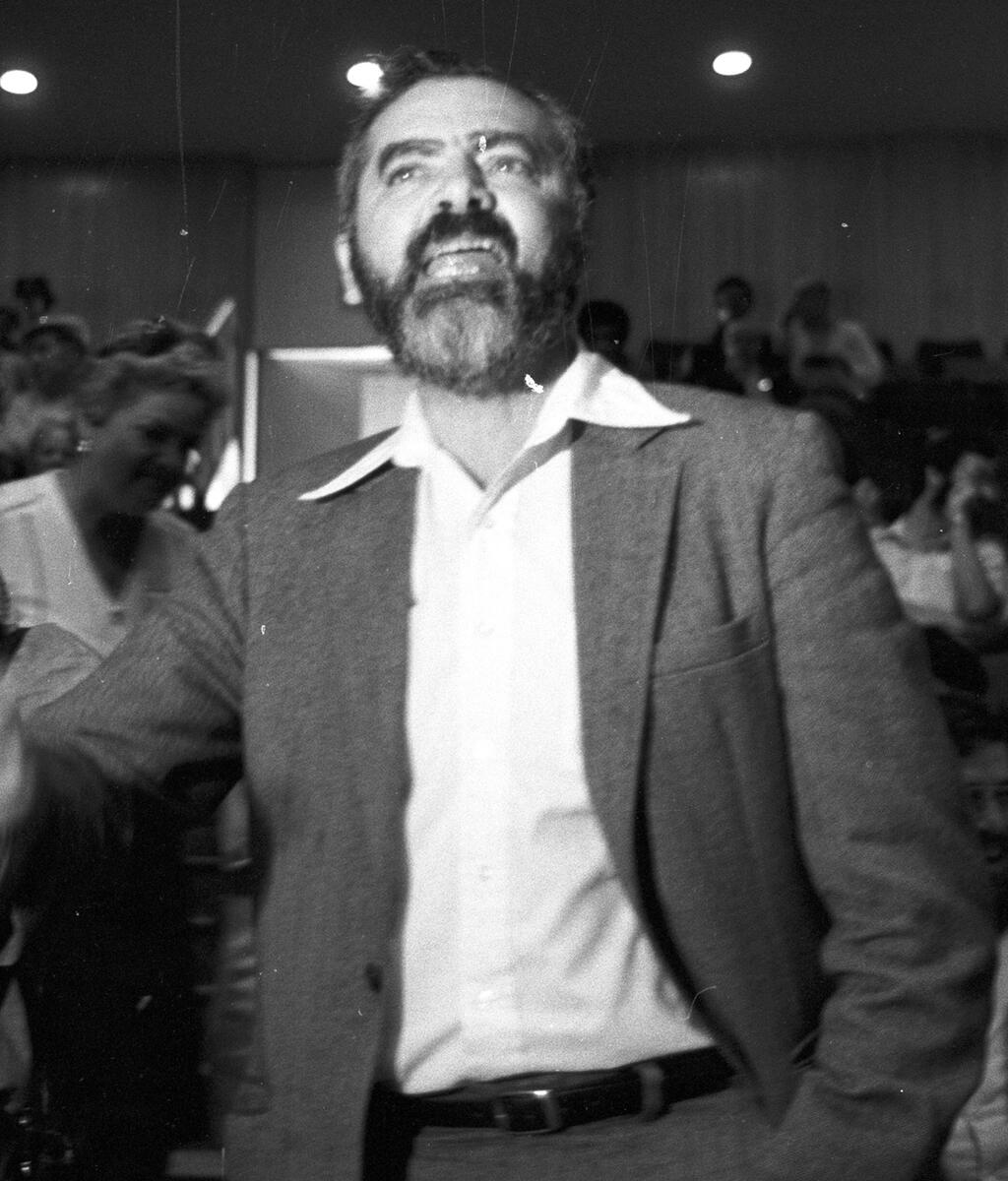
Rabbi Meir Kahane
(Photo: David Rubinger)
The alleged plot comes amid heightened tensions between pro-Israel and pro-Palestinian activists in New York. Kiswani leads Within Our Lifetime, a pro-Palestinian advocacy group known for organizing protests.
In comments to The New York Times, Kiswani described the alleged plot as “terrifying” and called for further investigation into the group.
Ben Avraham, who acknowledged using harsh language against Kiswani online, said his statements were not intended as threats.
“We’re not going to be the weak Jew,” he said. “We Jews don’t turn the other cheek.”