


Names of cities and regions across Iran now being struck by the Israeli Air Force are dominating the headlines. While for many they are simply targets linked to the Iranian regime, those who or whose families came from these places immediately recognize them, along with the stories of the Jewish communities that lived there.
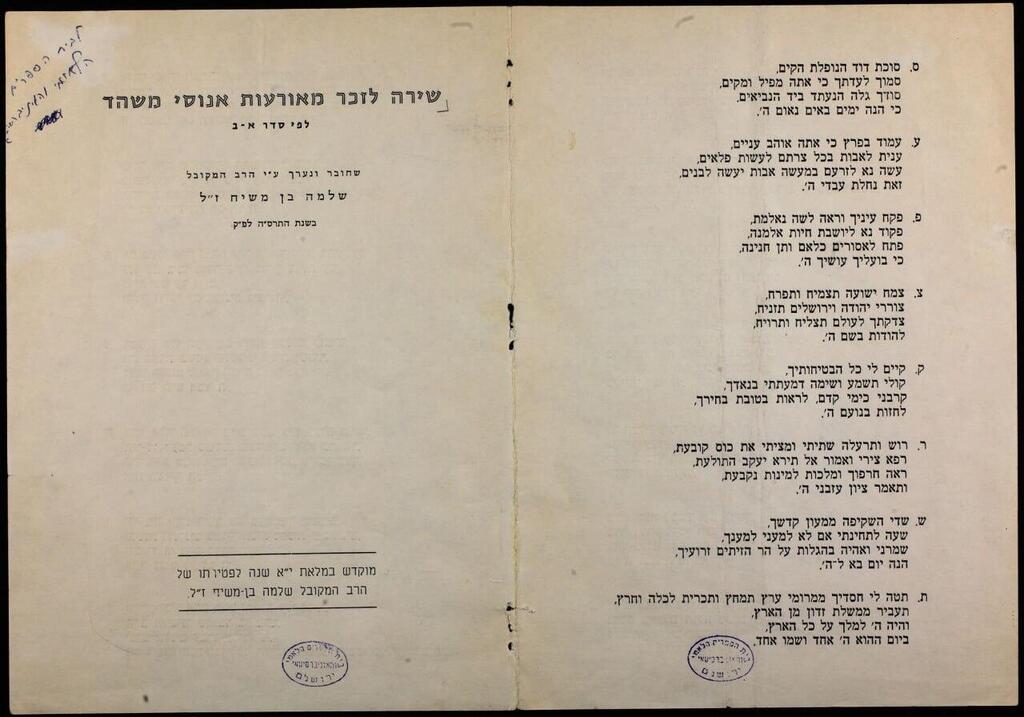
At the National Library of Israel, several rare items shed light on a dramatic chapter in the history of Iranian Jewry: ketubot, documents, diaries, a Quran kept in a Jewish household, and a pair of tefillin used by the forced converts of Mashhad, Jews who were compelled to live as Muslims for more than a century while secretly maintaining their faith.
Gallery
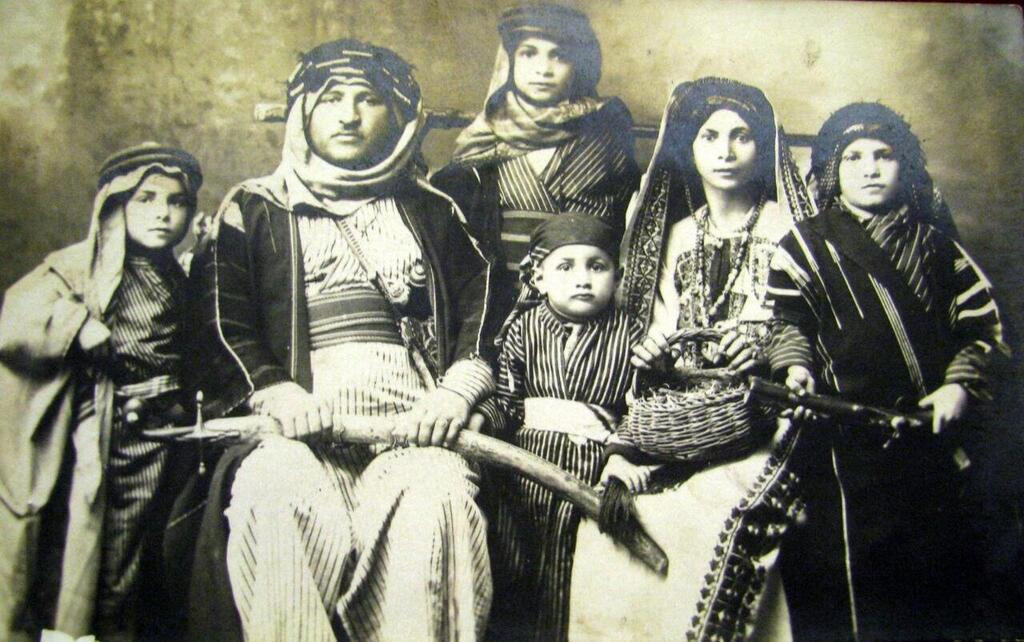
Mashhad Jews
(Photo: The National Library of Israel’s Jewish Collection, Haim and Hanna Salomon Collection)
The Jewish community of Mashhad, in northeastern Iran, was established in the 18th century, when Persian ruler Nader Shah brought 17 Jewish families to the city to manage his treasury. After his assassination, the Jews found themselves in a devout Shiite city and lived in a ghetto outside the walls.
In 1839, a violent blood libel erupted. A Muslim mob attacked Jewish homes, burned synagogues and murdered dozens. The following day, the community faced a brutal choice: convert to Islam or die.
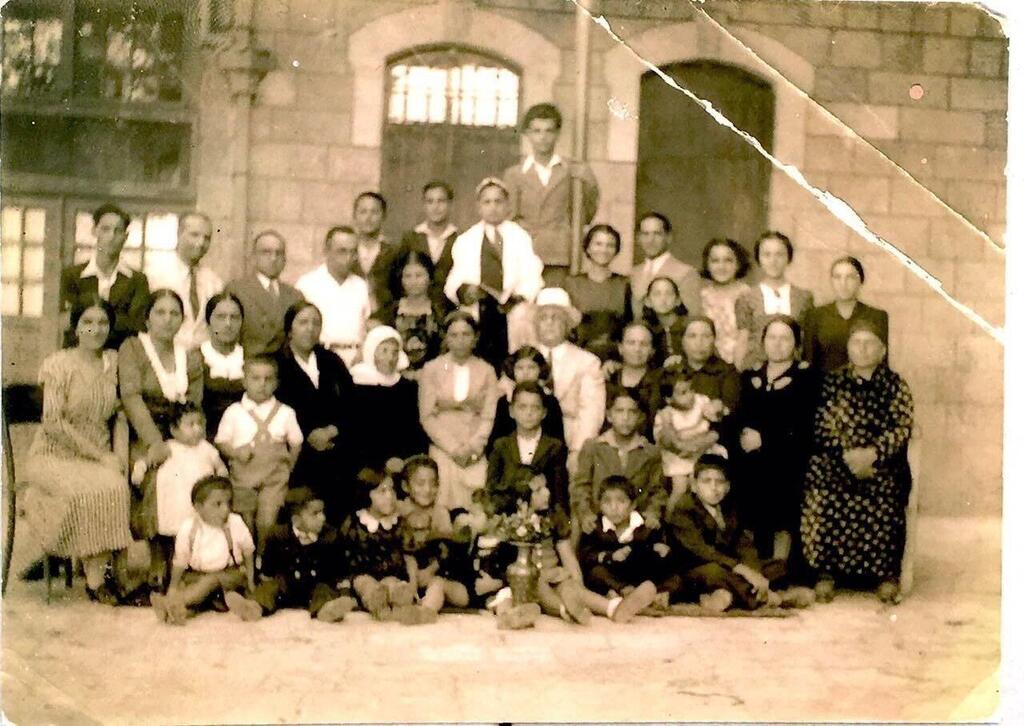
(Photo: Anat Levy)
They outwardly adopted Islam and became known as “Jadid al-Islam,” or “new Muslims.” For about 100 years, they lived double lives, Muslim in public and Jewish in private. Prayers were held in secret, kosher meat was prepared covertly, and commandments, including laying tefillin, were observed out of sight of authorities and neighbors.
From birth, each child was given two identities: an upper name, a Muslim name, and a lower, secret name, their Jewish one. In some cases, even close acquaintances only learned a person’s Jewish name during burial preparations.
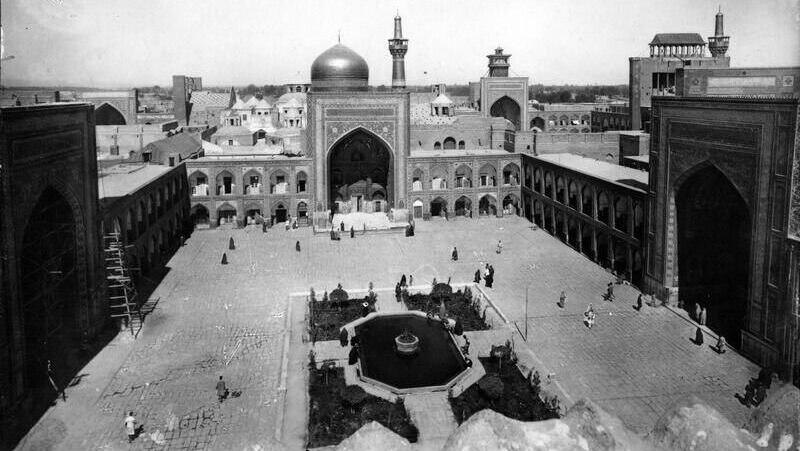
Mashhad
(Photo: The National Library of Israel’s Jewish Collection, Haim and Hanna Salomon Collection)
To avoid intermarriage, families arranged “cradle engagements,” matching children at infancy, sometimes even before age 4 or 5. By 16, a girl was already considered at risk if she drew the attention of Muslim men.
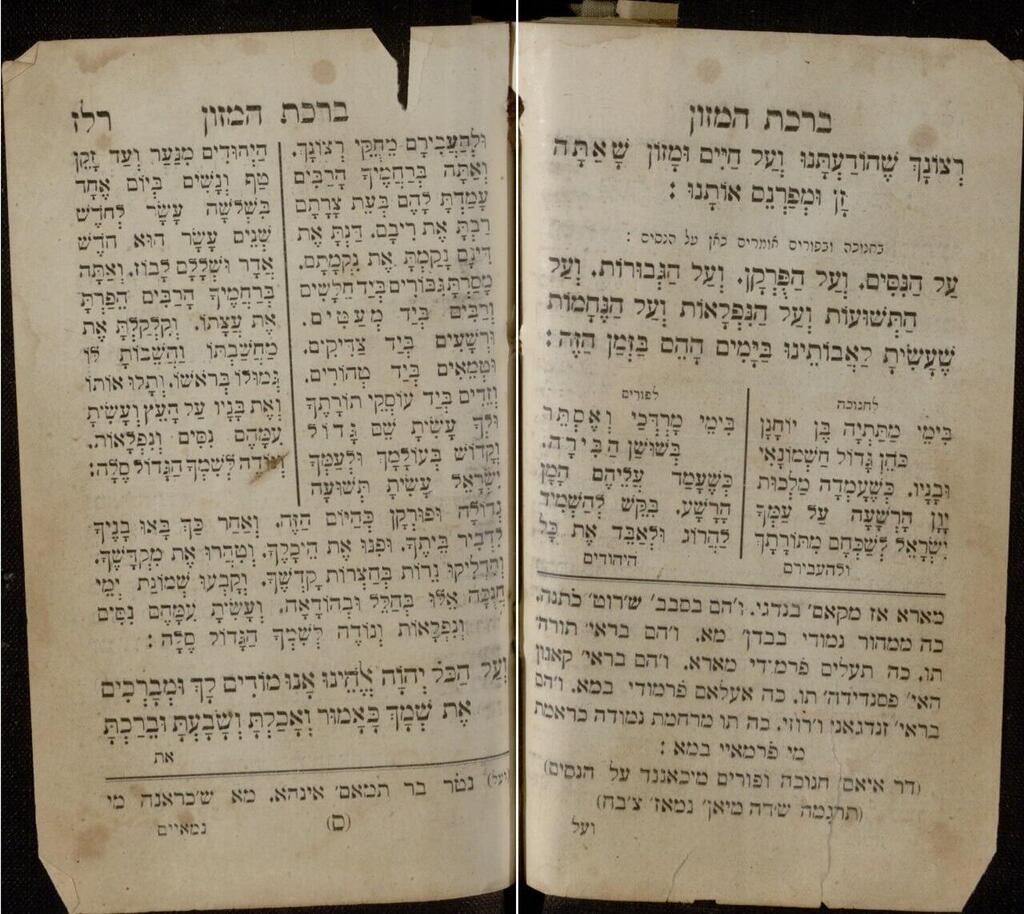
The National Library holds further evidence of this hidden life: marriage contracts from secret ceremonies and a small pair of tefillin about 200 years old.
The tefillin were donated by Dr. Joseph Levine, a board member of the library’s American Friends group and a physician on Long Island. He treated Jews who fled Iran and managed to smuggle the tefillin to the United States.
(Photo: The National Library of Israel’s Jewish Collection, Haim and Hanna Salomon Collection)
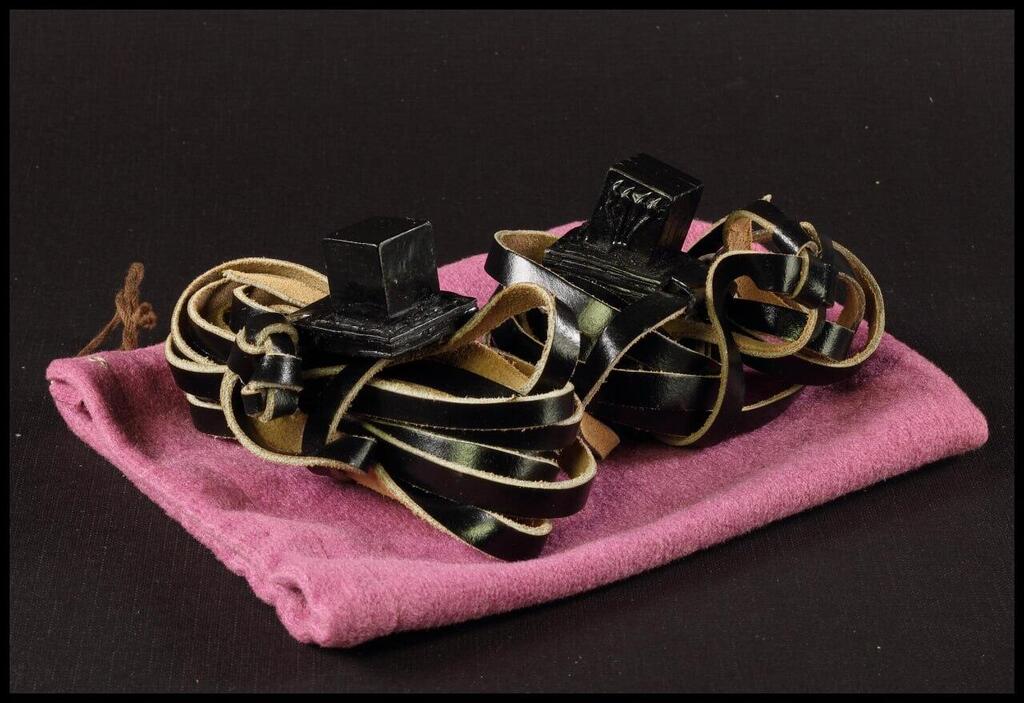
Tefillin used by Jews in Mashhad
(Photo: The National Library of Israel’s Jewish Collection, Haim and Hanna Salomon Collection)
(Photo: The National Library of Israel’s Jewish Collection, Haim and Hanna Salomon Collection)
(Photo: Anat Levy)
According to Levine, the items are tangible proof of the courage and devotion of Mashhad’s Jews, who preserved their identity under constant threat.
By the mid-20th century, the last members of the community left the city, immigrating to Tehran, Israel and other countries. Today, no Jews remain in Mashhad.
“My grandparents on both sides lived in Mashhad,” said Anat Levy, secretary-general of the Association of Mashhad Immigrants in Israel, which works to preserve the story of the community.
“We’re already the generation that arrived in Israel in the early 1920s. My mother was born here, but my father was born in Mashhad and brought to Israel at six months old. The story of the forced converts was very present in our home. We lived it. Both sides of the family were very Zionist.”

Anat Levy, secretary-general of the Association of Mashhad Immigrants in Israel
Levy and others in the association are working to piece together the stories of earlier generations.
“When you go back to the period of forced conversion, the stories are harsh,” she said. “My grandmothers were married off very young, one at age 9 and the other at 13, to protect them so Muslim men would not take them. Marriages were arranged within the family, often between cousins, to keep them safe, and above all they hid their Judaism.”
She added that everything was done in secret.
“My grandmother said they would seat the children outside the shop on Saturdays so that if customers came, they would say, ‘Father isn’t here,’ so they wouldn’t violate the Sabbath but also wouldn’t expose themselves. Everything was hidden, slaughter, ritual baths, full religious life beneath the surface. They lived in a ghetto, and there were even underground passages between homes to escape during riots. The fear was constant.”