

For more than three decades, the Naaleh program has quietly been shaping the future of Israeli society—one teenager at a time. Originally created to support Jewish youth from the former Soviet Union, Naaleh has since evolved into a global phenomenon.
Today, it’s helping hundreds of Jewish teens, many as young as 14, make aliyah to Israel—without their parents. And for a growing number of families, these brave young pioneers are leading the way. At Ulpanat Bnei Akiva Amana in Kfar Saba, one of dozens of institutions across the country partnered with Naaleh, the upcoming school year marks a milestone: its 15th year hosting girls from Western countries.
Gallery
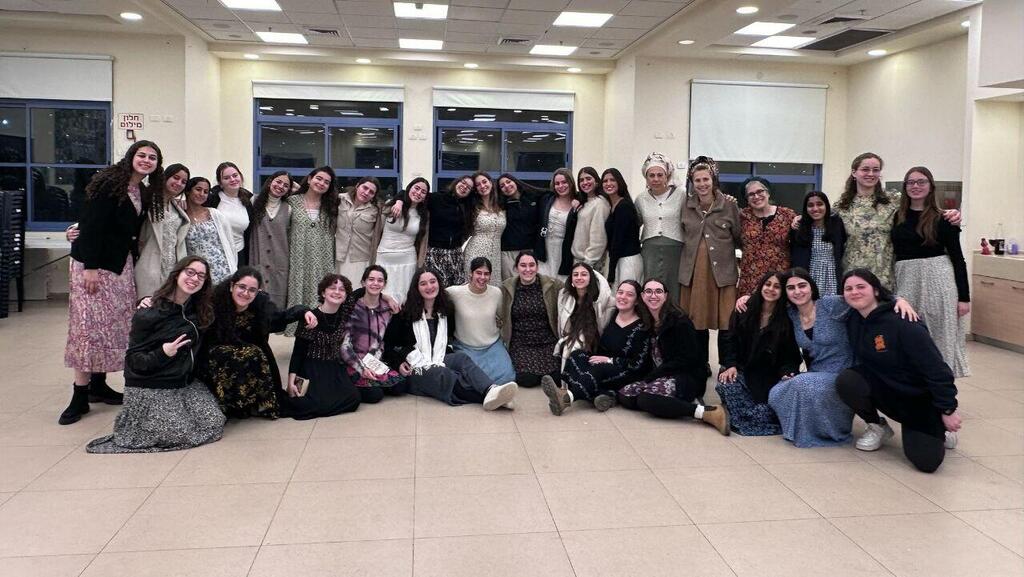
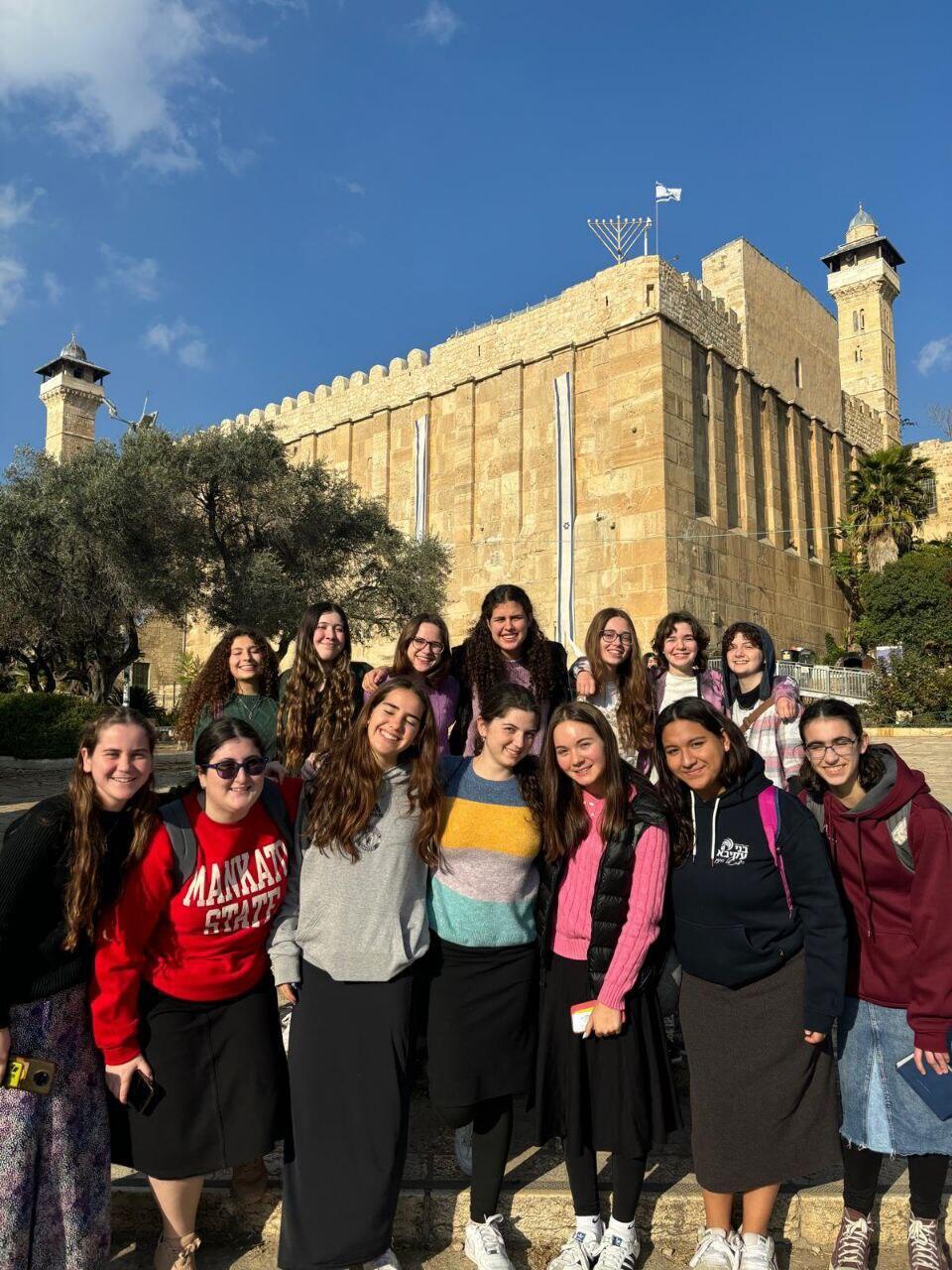
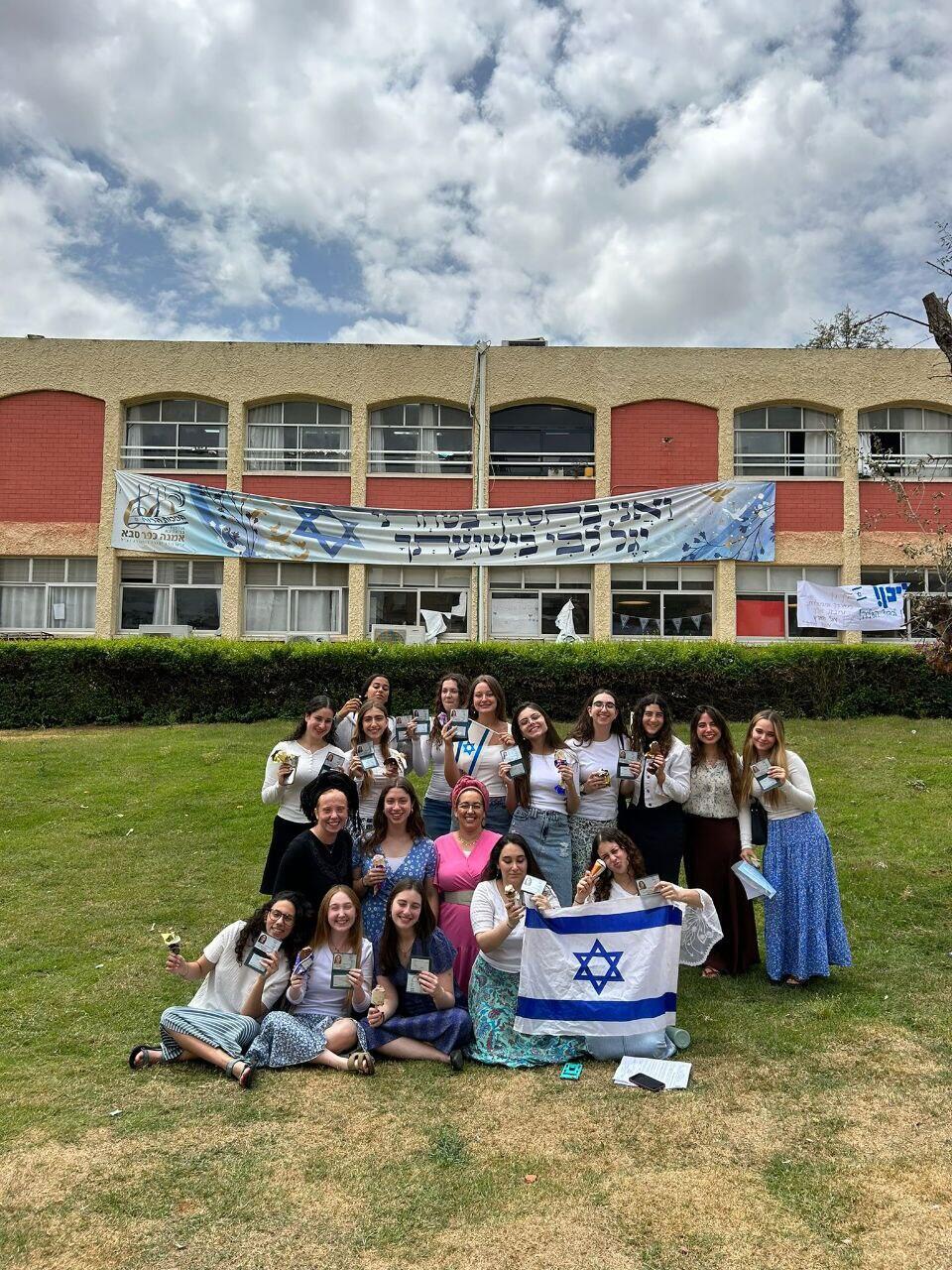
Girls who made aliyah to Israel with the Naaleh program
(Photo: The Bnei Akiva Yeshivot and Ulpanot Center)
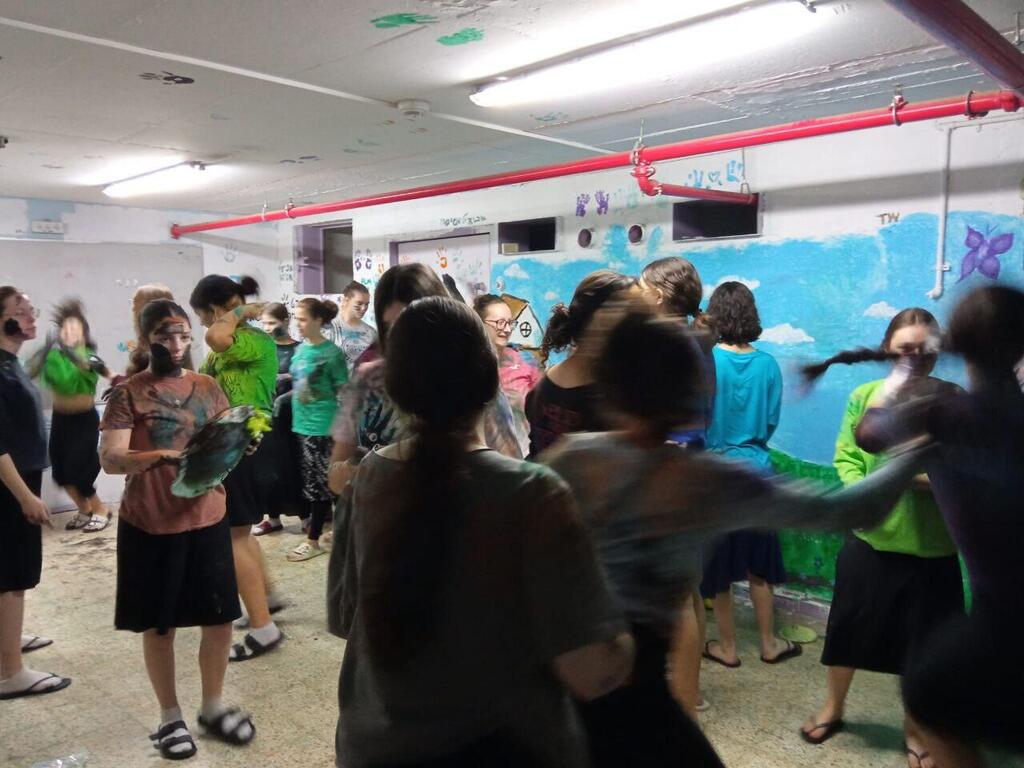
(Photo: The Bnei Akiva Yeshivot and Ulpanot Center)
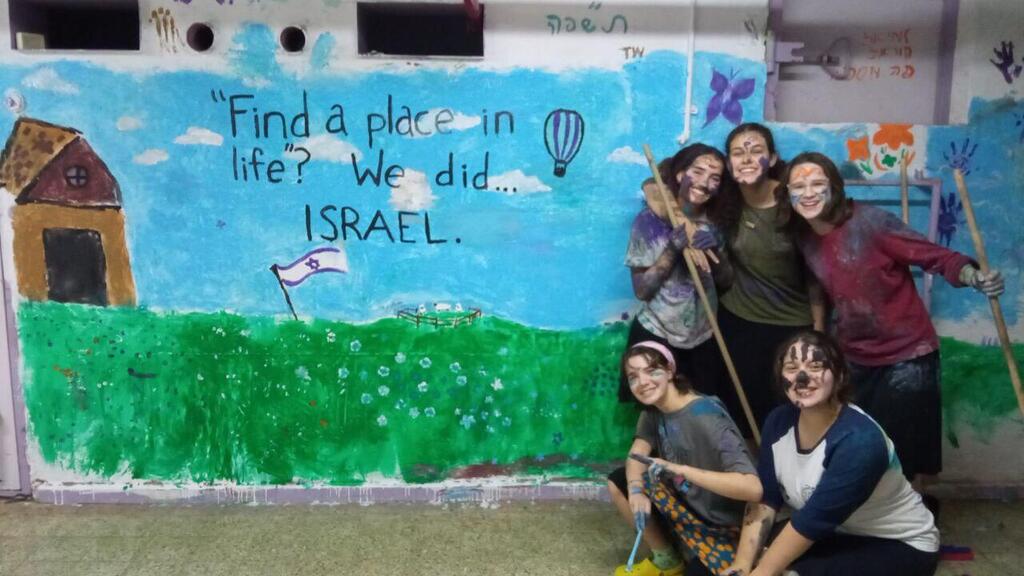
(Photo: The Bnei Akiva Yeshivot and Ulpanot Center)
"This year, girls will arrive from around 20 different countries," says Rabbi Yossi Kahana, lead researcher into the program's evolution. "We’ve had students from the U.S., Canada, Mexico, Brazil, Venezuela, Germany, Italy, France, even Singapore and Hong Kong."
The girls come from across the Jewish diaspora with one goal: to make Israel their home. And despite global instability and local challenges, the pull of Zionism is growing stronger.
From - without parents to before parents
“The original slogan was ‘youth immigrating without their parents,'” Kahana explains, referencing the Hebrew acronym Naaleh. “Today, it’s ‘youth immigrating before their parents.’ That’s the shift.”
This shift isn’t just symbolic. Around 50–60% of the parents eventually follow their daughters to Israel, inspired by their children’s commitment to build their lives here. “It’s a remarkable reversal,” says Kahana. “Instead of parents paving the way, it’s the daughters who are pulling their families toward Israel.”
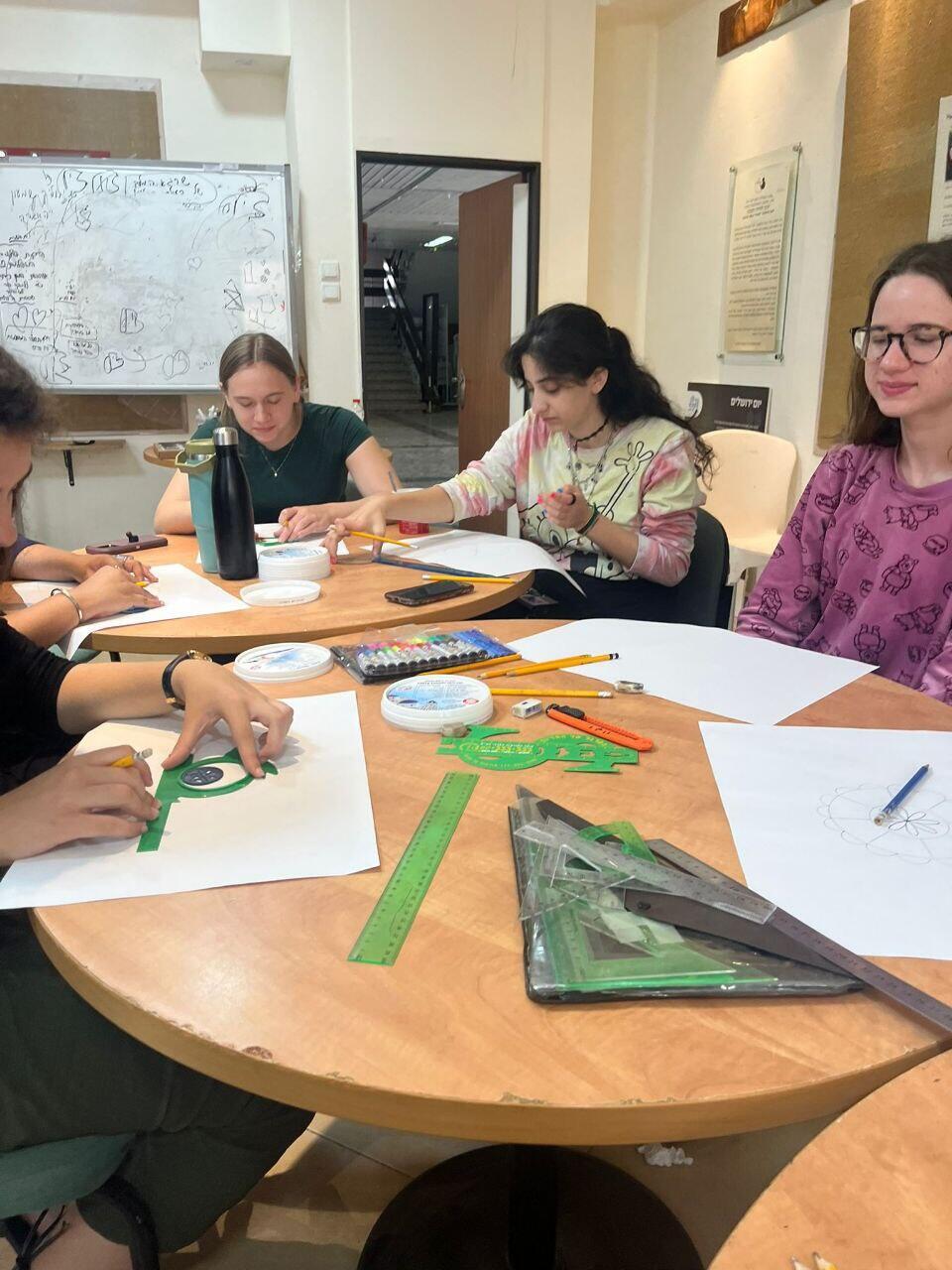
(Photo: The Bnei Akiva Yeshivot and Ulpanot Center)
(Photo: The Bnei Akiva Yeshivot and Ulpanot Center)

(Photo: The Bnei Akiva Yeshivot and Ulpanot Center)
The reasons vary—from ideological connection to Israel, to growing concerns about antisemitism abroad. After the outbreak of war in Israel two years ago, many parents initially pulled their daughters back home. But almost all of them returned shortly after. “That says a lot about their sense of belonging and resilience,” Kahana adds.
Get the Ynetnews app on your smartphone: Google Play: https://bit.ly/4eJ37pE | Apple App Store: https://bit.ly/3ZL7iNv
Integration isn’t always smooth—but the roots are deep
Still, the process of making aliyah is rarely seamless. Economic pressures and cultural gaps pose real challenges, particularly for families who decide to join their children later on. “Some parents struggle with employment or adapting to Israeli society. And yes, some return to their countries of origin,” Kahana acknowledges. “But the overwhelming majority stay—and thrive.”
The program's strength lies not only in its educational and emotional support, but also in its ability to foster a multicultural Jewish identity. “You’ll see a girl from Brazil and a girl from the U.S. sharing a room, bringing totally different Jewish traditions—and building something new together. It’s a beautiful multicultural mosaic.”
(Photo: The Bnei Akiva Yeshivot and Ulpanot Center)

(Photo: The Bnei Akiva Yeshivot and Ulpanot Center)
A vision realized, one teen at a time
As Israel continues to wrestle with waves of immigration, economic gaps and questions of identity, Naaleh offers a clear example of long-term impact. It nurtures connection, builds resilience, and serves as a quiet but powerful force behind the scenes of aliyah.
“It’s not always easy,” Kahana concludes, “but Israel is built on aliyah. And these girls—they’re not just joining that story, they’re leading it.”
Founded over 30 years ago, Naaleh (an acronym for “Youth Aliyah Before Parents”) provides Jewish teens from around the world with the opportunity to study and live in Israel, fully funded, even without their families.
Students are integrated into Israeli high schools and boarding programs, and the vast majority choose to remain in Israel, pursue military or national service and make aliyah officially.