

A new exhibition in Britain is challenging the widespread perception that the country learned about the mass murder of Europe’s Jews only near the end of World War II, presenting evidence that detailed information about the Holocaust was already reaching the British public by 1942.
According to The Guardian, the traveling exhibition draws on newspaper reports, radio broadcasts, testimony, research and government archives. It offers a preview of a larger exhibition planned for Britain’s future national Holocaust memorial and learning center in London.
Gallery
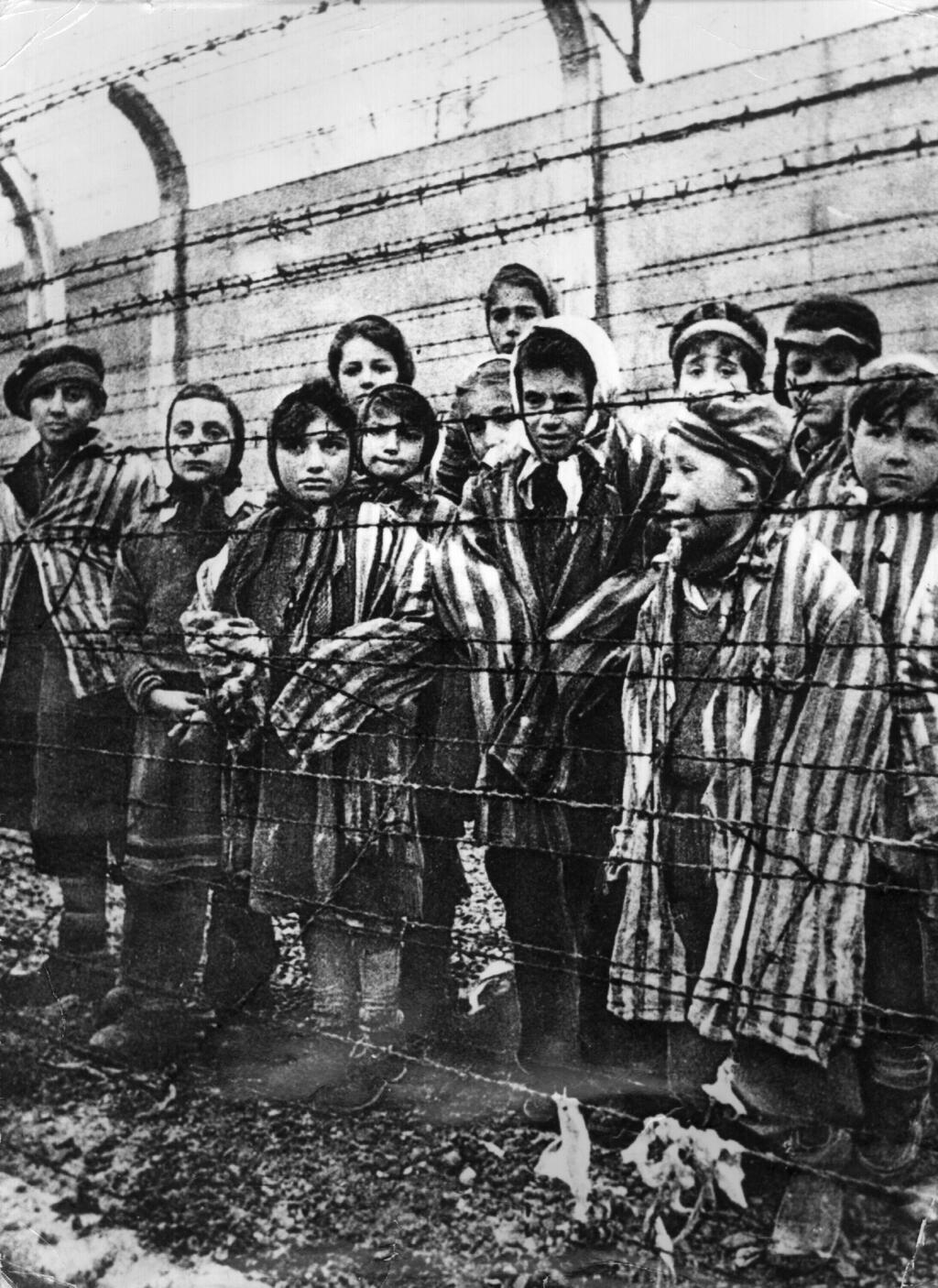
Children who survived Auschwitz on the day the camp was liberated by the Red Army in 1945
(Photo: Alexander Vorontsov / Keystone / Hulton Archive / Getty Images)
Martin Winstone, senior historical adviser to the Holocaust Educational Trust, said there is a common impression today that Britain discovered the scale of the murder of European Jews only toward the end of the war. The reality, he said, was very different.
“In 1942, the year in which most Holocaust victims were murdered, you really couldn’t escape this information in Britain,” Winstone said. “It was in every newspaper. It was on the BBC.”
Winstone singled out the Manchester Guardian, saying it provided particularly extensive coverage of the Holocaust and repeatedly pressed the British government and its allies to do more.
For years, the newspaper called for immigration restrictions on Jews to be eased, for neutral countries to be pressured to open their borders to refugees and for special rescue measures to be adopted.
Winstone said large amounts of information about the Holocaust, including the locations of extermination camps, were smuggled out of Poland and passed to the Polish government-in-exile in London.
“The killings were taking place in plain sight,” he said.
Britain’s response
Winstone stressed, however, that Britain’s response must also be viewed in the context of the war.
“For most of the war Britain was on the defensive,” he said.
The government’s position, he explained, was essentially that the most effective way to stop the murder of Jews was to defeat Nazi Germany. Critics warned that waiting for military victory could come too late.
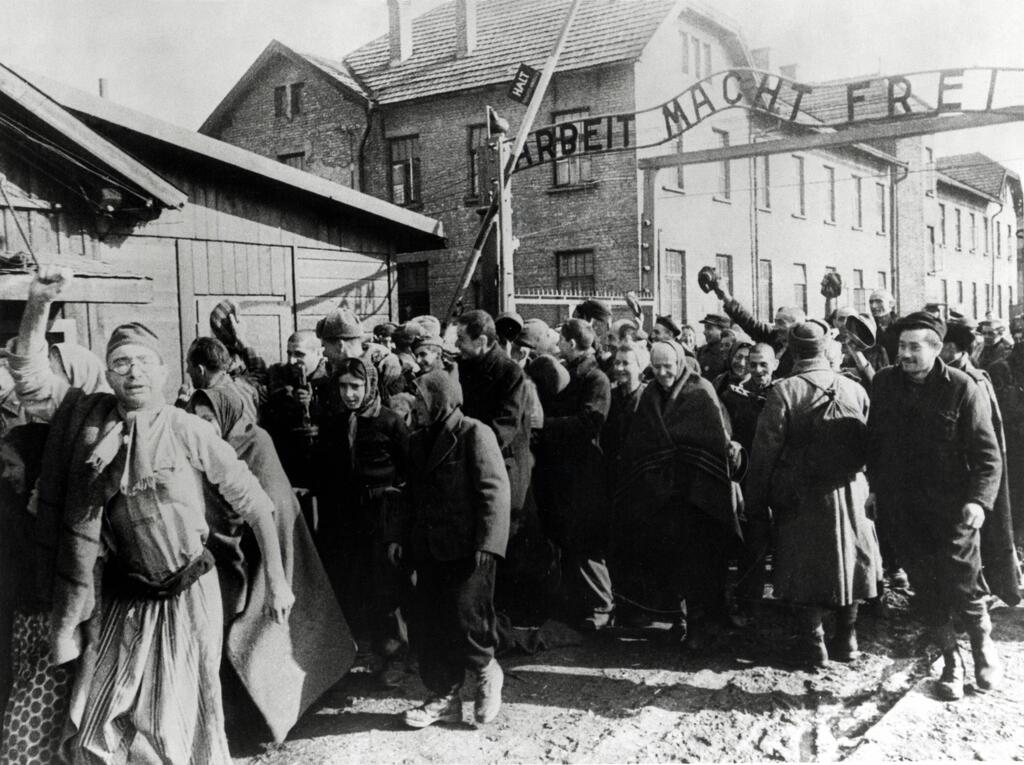
Survivors of the Auschwitz concentration and extermination camp pass through its gates after liberation, February 1945
(Photo: imago images/Reinhard Schultz/Reuters)
“There will be no one left to save if that’s what you’re waiting for,” he quoted critics as arguing.
The exhibition also examines tensions within British society at the time.
While the mass murder of Jews horrified much of the public, antisemitic accusations against British Jews also increased. Jews were accused of operating on the black market, avoiding military service and spreading panic.
Winstone said significant opposition to accepting refugees had already existed in Britain during the 1930s.
The exhibition is due to appear at the Northern Ireland Assembly, the Scottish Parliament and in Cardiff, and is also expected to reach Manchester.
Britain’s planned national Holocaust memorial and learning center in London does not yet have a final opening date.
The new exhibition is not the first to argue that Britain and other Allied powers possessed extensive information about the systematic murder of European Jews while the Holocaust was underway.
In 2017, Dan Plesch, author of Human Rights After Hitler, said documents he obtained showed that by 1942 the United States, Britain and countries in the Soviet bloc knew about the systematic killing of Europe’s Jews.