

Yom Kippur 2026 begins on the evening of Sunday, September 20, corresponding to the start of the 10th of Tishrei, and ends on the evening of Monday, September 21.
Yom Kippur 2026 fast times
Yom Kippur begins Sunday, September 20, 2026: Jerusalem 6:03 p.m., Tel Aviv 6:20 p.m., Haifa 6:12 p.m., Beersheba 6:21 p.m., Petah Tikva 6:00 p.m., Modi’in 6:20 p.m., Netanya 6:19 p.m., Ashdod 6:19 p.m., Ashkelon 6:11 p.m., Safed 6:12 p.m., Tiberias 6:10 p.m., Eilat 6:09 p.m., Kiryat Shmona 6:07 p.m.
Yom Kippur ends Monday, September 21, 2026: Jerusalem 7:14 p.m., Tel Aviv 7:16 p.m., Haifa 7:15 p.m., Beersheba 7:15 p.m., Petah Tikva 7:15 p.m., Modi’in 7:15 p.m., Netanya 7:16 p.m., Ashdod 7:16 p.m., Ashkelon 7:17 p.m., Safed 7:13 p.m., Tiberias 7:13 p.m., Eilat 7:14 p.m., Kiryat Shmona 7:13 p.m.
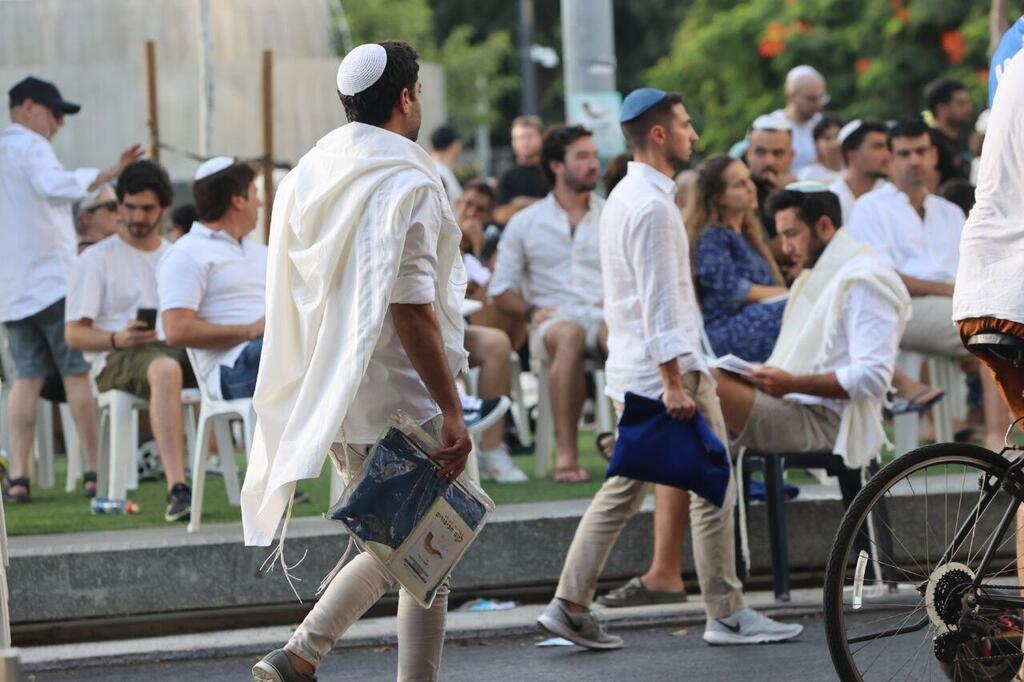
A ‘Sabbath of Sabbaths’: What is prohibited on Yom Kippur?
Yom Kippur, observed on the 10th of Tishrei, is described in the Torah as a “Sabbath of Sabbaths.” The day combines the prohibition on work observed on Shabbat with abstention from other physical activities: eating and drinking, washing and applying oils or creams, wearing leather footwear and marital relations. This withdrawal from ordinary physical life is intended to create space for the spiritual purpose of the day.
Work: The prohibition on work applies on Yom Kippur as it does on Shabbat. The day’s additional restrictions apply throughout the same period. According to Jewish law, the final pre-fast meal must be completed by the candle-lighting time.
Cycling and watching movies are also included among activities that should be avoided, although they are not among the most severe prohibitions. Throwing stones is prohibited as well and is considered more serious because it may also constitute an offense against another person and, in some circumstances, endanger life.
Those who do not feel comfortable in synagogue are encouraged to use the time for reading and study, meaningful conversation, reflection and introspection.
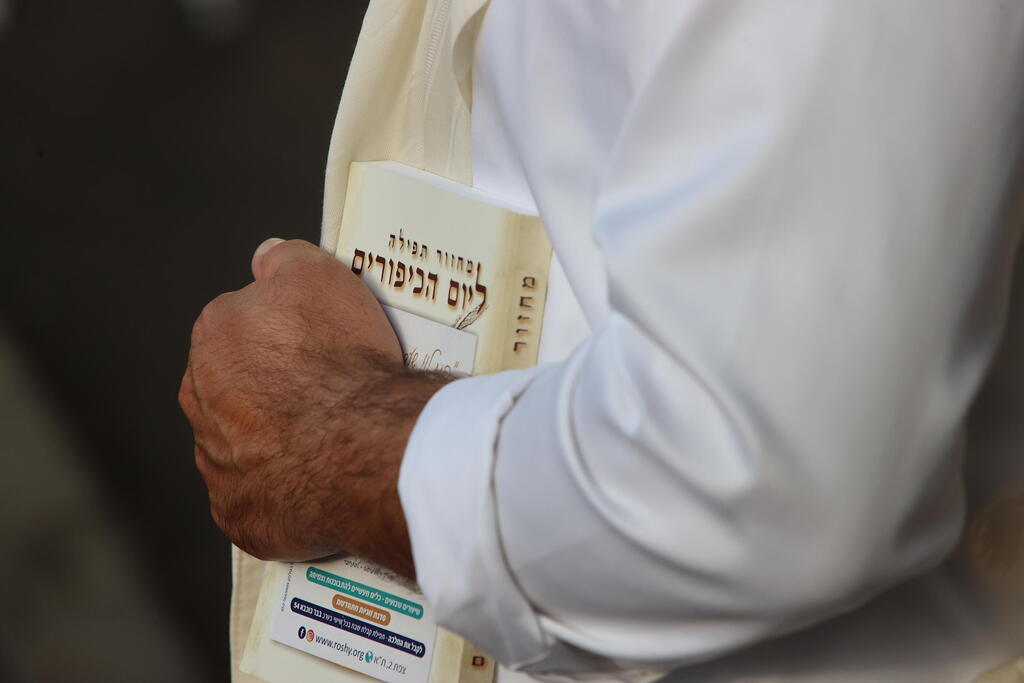
Eating and drinking: Jewish law requires abstaining from all food and drink on Yom Kippur, and it is preferable to avoid brushing one’s teeth or rinsing the mouth.
People who require medication or must eat because of pikuach nefesh, the Jewish legal principle that preserving life overrides most other commandments, as well as pregnant women, women who have recently given birth, nursing mothers and soldiers whose duties could be impaired by dehydration or fasting, should consult medical professionals about their needs and a halachic authority about the scope of any exemption.
In some cases, Jewish law permits eating and drinking in measured amounts known as shiurim.
Chief Rabbi David Yosef has ruled that soldiers engaged in combat or active operational duties are exempt from fasting when fasting could compromise their mission, and they should not impose additional restrictions on themselves.
(Photo: Moti Kimchi)
Eating and drinking in measured amounts: Every nine minutes, a person who has been instructed to use this method may consume up to 27 grams of food, roughly two biscuits or the volume of a full matchbox, and up to 37 milliliters of liquid.
It is recommended to prepare a measuring cup in advance. Those required to eat or drink this way are advised to begin at the start of the fast rather than wait until their condition deteriorates to the point that they must abandon the fast entirely.
Washing and applying creams: Jewish law prohibits bathing and applying creams or ointments for pleasure. Washing hands after waking and after using the bathroom is permitted, but only up to the knuckles. Babies may be cleaned as necessary, even if the caregiver’s hands become wet with water and soap.
Footwear: Leather shoes are not worn on Yom Kippur. Shoes made of fabric or plastic are generally permitted. Someone who must walk a long distance, pass through dirty streets or perform duties requiring protective footwear, including soldiers and nurses, may wear suitable shoes when no practical alternative exists.
Marital relations: In addition to the prohibition on sexual relations, Jewish law calls for married couples to avoid other forms of physical intimacy, similar to the restrictions observed during the period of niddah.
A basic principle of Yom Kippur law is that avoiding prohibited acts takes precedence over performing positive commandments. For example, it is preferable to remain at home, rest and complete the fast than to attend synagogue if doing so would require breaking the fast, even by eating or drinking only measured amounts.
How do you prepare for Yom Kippur?
The eve of Yom Kippur: The morning Selichot penitential prayers are shortened. Many people traditionally immerse in a mikveh, or ritual bath, or in another source of natural water such as a spring, flowing stream or the sea.
The custom reflects the teaching in the Mishnah: “Just as a mikveh purifies the impure, so the Holy One, blessed be He, purifies Israel.”
Mincha: The afternoon prayer is held earlier than usual. The first confession, or Vidui, of Yom Kippur is recited during Mincha so that the final pre-fast meal follows an initial confession. Over the course of Yom Kippur, a total of 10 confessions are traditionally recited.
(Photo: Anderson P / Shutterstock)
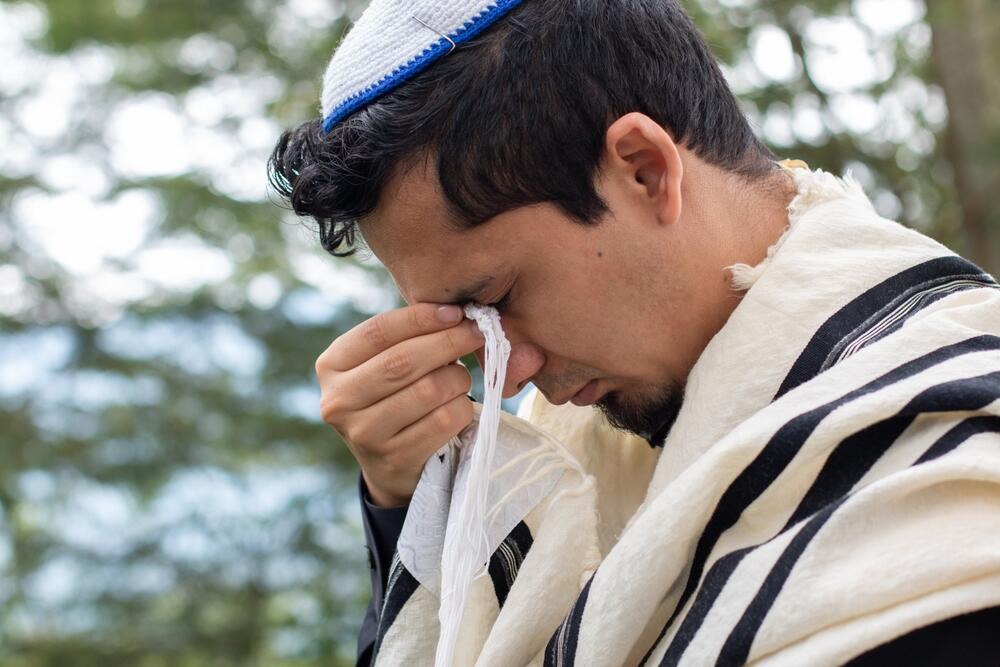
Confession: According to Maimonides, confession is the central mitzvah of repentance and atonement. In all approaches, it is an essential element of repentance. A person acknowledges sins, expresses regret and asks forgiveness.
The most basic formulation echoes the confession of the High Priest: “I have sinned, I have done wrong, I have transgressed before You.”
Today, the shorter confession begins with the alphabetical poem Ashamnu, “We have sinned, we have betrayed, we have robbed...” The longer Yom Kippur confession, Al Chet, “For the sin we have committed before You...,” follows a doubled Hebrew alphabetic structure.
Some worshippers also add specific sins they personally remember beyond the standard liturgical text.
The final meal: The last meal before the fast must end by candle-lighting time. It is considered a festive meal. There is also a mitzvah to eat throughout the day before Yom Kippur in preparation for the fast, particularly during this meal. Customs vary among communities and families, alongside practical advice about what is healthiest to eat before fasting.
Candle lighting: Candles are lit as on Shabbat and Jewish festivals, with the blessings for lighting the Yom Kippur candle and Shehecheyanu. Many families also leave a memorial candle burning throughout the day, which can later be used for Havdalah at the end of Yom Kippur. Some also light candles in memory of deceased relatives whose names will be recalled during the Yizkor memorial prayer.
What do people wear on Yom Kippur?
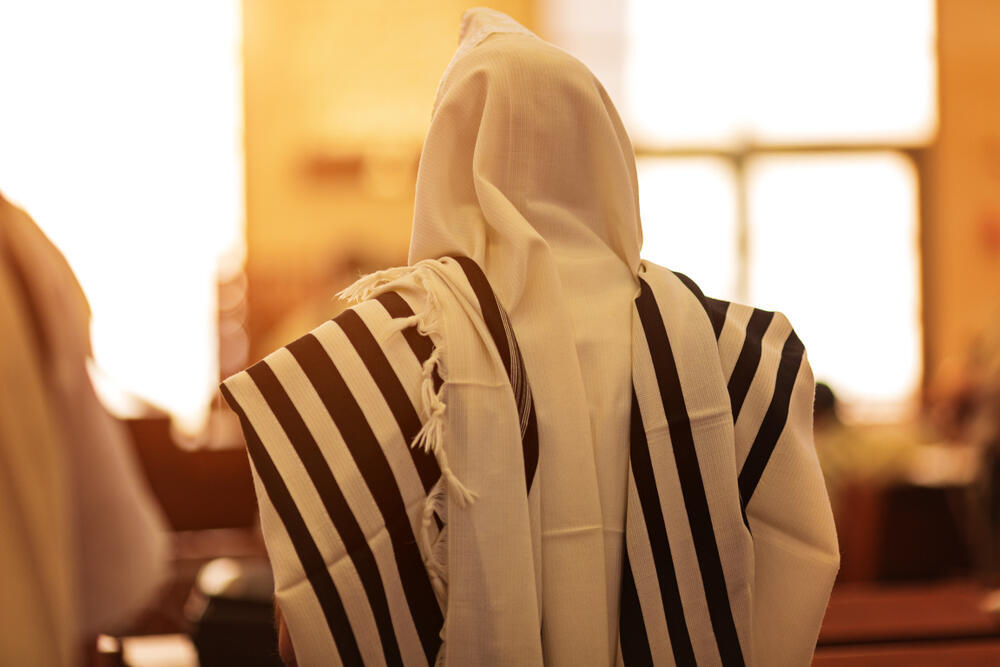
Some worshippers traditionally wear white on Yom Kippur, and many men wear a tallit, or prayer shawl, during the evening service as well, unlike on ordinary evenings.
Prayers: General guidelines
Kol Nidrei: Most Jewish communities open Yom Kippur with the collective annulment of vows known as Kol Nidrei. The cantor and two respected members of the congregation form a symbolic rabbinical court and release the congregation from certain vows.
Whether this declaration has full halachic force to release a person from verbal commitments is debated, and it certainly does not erase financial obligations.
(Photo: Evgeniy pavlovski / Shutterstock)
Despite the legal uncertainty surrounding its technical effect, Kol Nidrei has become one of the most powerful symbols of Yom Kippur because of its place at the opening of the day, the gathering of the entire congregation, its emotional and historical weight and the sense of being released from the past and beginning again.
Maariv: The evening service follows the regular structure with additions for Yom Kippur. Among the most prominent changes are saying “Blessed is the name of His glorious kingdom forever and ever” aloud during the Shema, the special Yom Kippur Amidah and the recitation of liturgical poems, Selichot and confession after the Amidah. Some communities also recite additional hymns and Psalms.
Shacharit and Musaf: The morning and additional services follow the general pattern used on Shabbat and festivals, with Yom Kippur additions. Confession is recited during both Shacharit and Musaf, in the silent prayer and again during the cantor’s repetition.
The Torah reading describes the High Priest’s Yom Kippur service in the Book of Leviticus. A second Torah scroll is used for the reading from Numbers describing the day’s additional offerings. The Haftarah is from Isaiah and focuses on the proper meaning of fasting.
During Musaf, the congregation recites the Avodah, recounting the High Priest’s Temple service. Yizkor is recited after the Torah reading and before Musaf.
Mincha: The afternoon Torah reading is from the section of Leviticus dealing with forbidden relationships. The Haftarah is the Book of Jonah, recounting the repentance of the people of Nineveh. Two additional confessions are recited during Mincha. Selichot and liturgical poems are shortened so that the concluding Neilah service can begin before sunset.
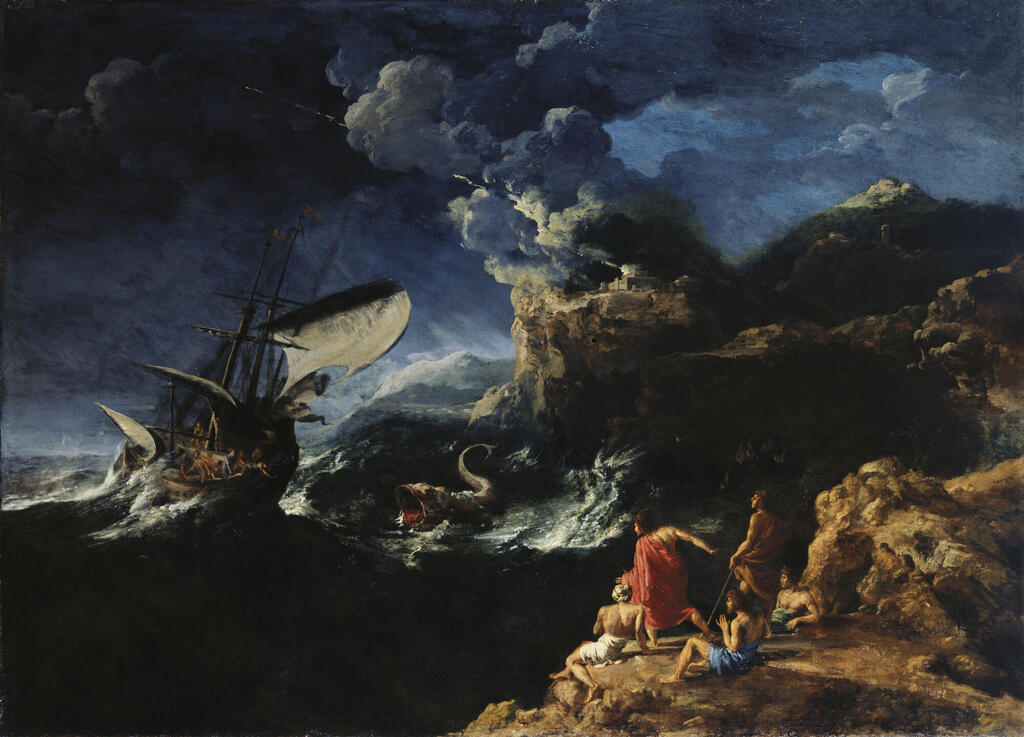
Seascape with Jonah and the Whale, a 17th-century painting by Gaspard Dughet. The Mincha haftarah
Neilah: Yom Kippur is the only day in the Jewish calendar with a fifth prayer service. Neilah begins late in the afternoon, traditionally when “the sun is at the treetops,” and concludes after nightfall.
The Thirteen Attributes of Mercy are recited repeatedly, and language referring to being “written” for life is changed to being “sealed” for life, reflecting the belief that the judgment of the day is being finalized.
The congregation attempts to complete the Priestly Blessing before sunset. The service ends after nightfall with a long blast of the shofar during the final Kaddish.
After Yom Kippur: Once the fast ends, the evening Maariv prayer is recited as after other festivals. Many people also perform Kiddush Levana, the blessing over the new moon.
Sukkah: Many have the custom of beginning preparations for the sukkah immediately after the post-fast meal, fulfilling the idea of moving “from strength to strength” from one mitzvah to the next.
Praying alone
Those who are unwell, conserving their strength for the fast, avoiding the heat or simply feeling weak may pray alone rather than with a minyan.
Former chief rabbi David Lau has ruled that someone praying alone should recite the Thirteen Attributes of Mercy only with the Torah cantillation, as though reading Scripture. Vidui, Avinu Malkeinu and Yizkor may be recited normally.
It is appropriate to add to the prayers the supplication “El na refa na tachalu’ei gefen poriyah,” based on the Mishnah in Tractate Ta’anit.
Rabbi Yosef Zvi Rimon holds that a person praying alone may recite Kol Nidrei without the wording referring to the period “from the previous Yom Kippur until this Yom Kippur.” Rabbi Oren Duvdevani, however, holds that someone praying alone should begin with Tefillah Zakah and should not recite Kol Nidrei because it has the legal character of annulling vows and therefore requires a rabbinical court.
If more than four men are present in a home, Kol Nidrei may be recited with three serving as the court for another person. In such circumstances, it should be said before sunset.
(Photo: Tomertu / Shutterstock)
The Shehecheyanu blessing should be recited before sunset, thereby accepting the sanctity of the day. Women traditionally recite it when lighting candles.
Immediately after the evening Amidah, a person praying alone may recite the Selichot printed in the prayer book. The Thirteen Attributes may either be omitted or recited with Torah cantillation.
The confession should then be recited again. Aramaic supplications should be omitted when praying alone, and the same rule applies each time such passages appear in the Selichot. After each Amidah, it is appropriate to repeat the confession.
Yizkor may be recited alone, together with a pledge to give charity in memory of the deceased. The Avodah service may also be recited, including bowing, although a person praying alone does not need to spread a covering on the floor in the same way commonly done in synagogue.
All of the liturgical poems normally recited during the cantor’s repetition may also be said privately, without the blessings belonging to the repetition itself.
Care should be taken to recite Neilah at the proper time, beginning in the late afternoon. After sunset, the verses of “Shema Yisrael” and the sevenfold declaration “The Lord is God” may still be recited.
A person praying alone may sound the shofar 21 minutes after sunset. After the evening prayer, Kiddush Levana may be recited. Havdalah and ordinary work are permitted under Jewish law only once Yom Kippur has ended.
Halachic guidance provided by Rabbi Yehuda Brandes