

As Jewish communities around the world prepare to mark Yom HaShoah, Zikaron BaSalon is seeing thousands of gatherings expected to take place across dozens of countries, even as communities face a deeply troubling rise in antisemitism, growing insecurity, and the emotional weight of the current moment.
Founded in Israel and now active around the world, Zikaron BaSalon has become a global tradition for Holocaust remembrance, built around intimate gatherings in homes, community centers, campuses, schools, synagogues, and online spaces. Each gathering creates a personal setting in which survivors, descendants, educators, community members and young people can come together to listen to testimony, reflect, and discuss the meaning of Holocaust memory today.
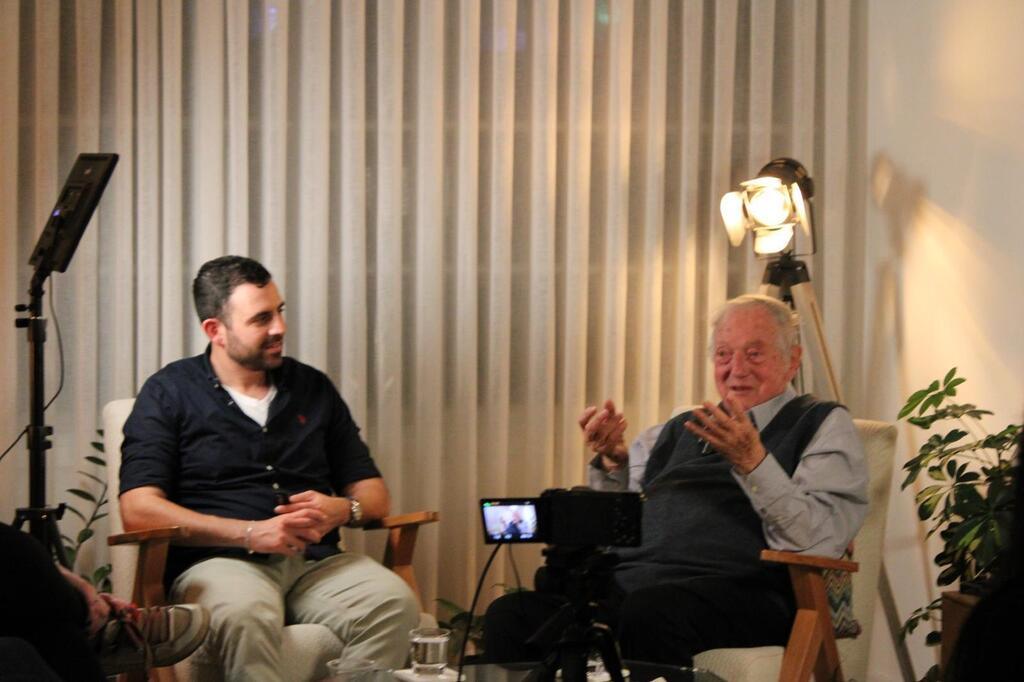
This year, that mission feels especially urgent. Across many countries, Jewish communities are dealing not only with the ongoing impact of war and instability in Israel and the region, but also with a sharp increase in antisemitic incidents, hostility in public spaces, and a growing sense of vulnerability. In that context, the decision to continue holding Zikaron BaSalon gatherings is not only about remembering the past. It is also about reinforcing Jewish identity, community resilience, and the importance of carrying testimony forward to the next generation.
In the UK, many gatherings will take place, mainly in London, Manchester, Leeds and other cities. Manuela Rathaus-Alper leads Zikaron BaSalon in the UK for over 10 years now: “This year, especially against the backdrop of rising antisemitism in Europe and the UK, we see a greater importance and a greater responsibility than ever to continue the tradition of Zikaron BaSalon. It is not only an opportunity to remember and to remind others, but also a tool for communal resilience. In London, dozens of gatherings are being hosted in private homes across the community, as people choose to pause, listen, and share stories of the past, while also reflecting on the stories of identity and continuity in the present. Over the years, and as the number of Holocaust survivors continues to decline, we are seeing a natural transition to second- and third-generation speakers, who continue to carry the memory forward and pass it on in a deeply personal and meaningful way.
As a community leader, I see every year just how deep the need is for this kind of human encounter, face to face, and also online, where gatherings allow us to widen the circle and reach additional audiences.”
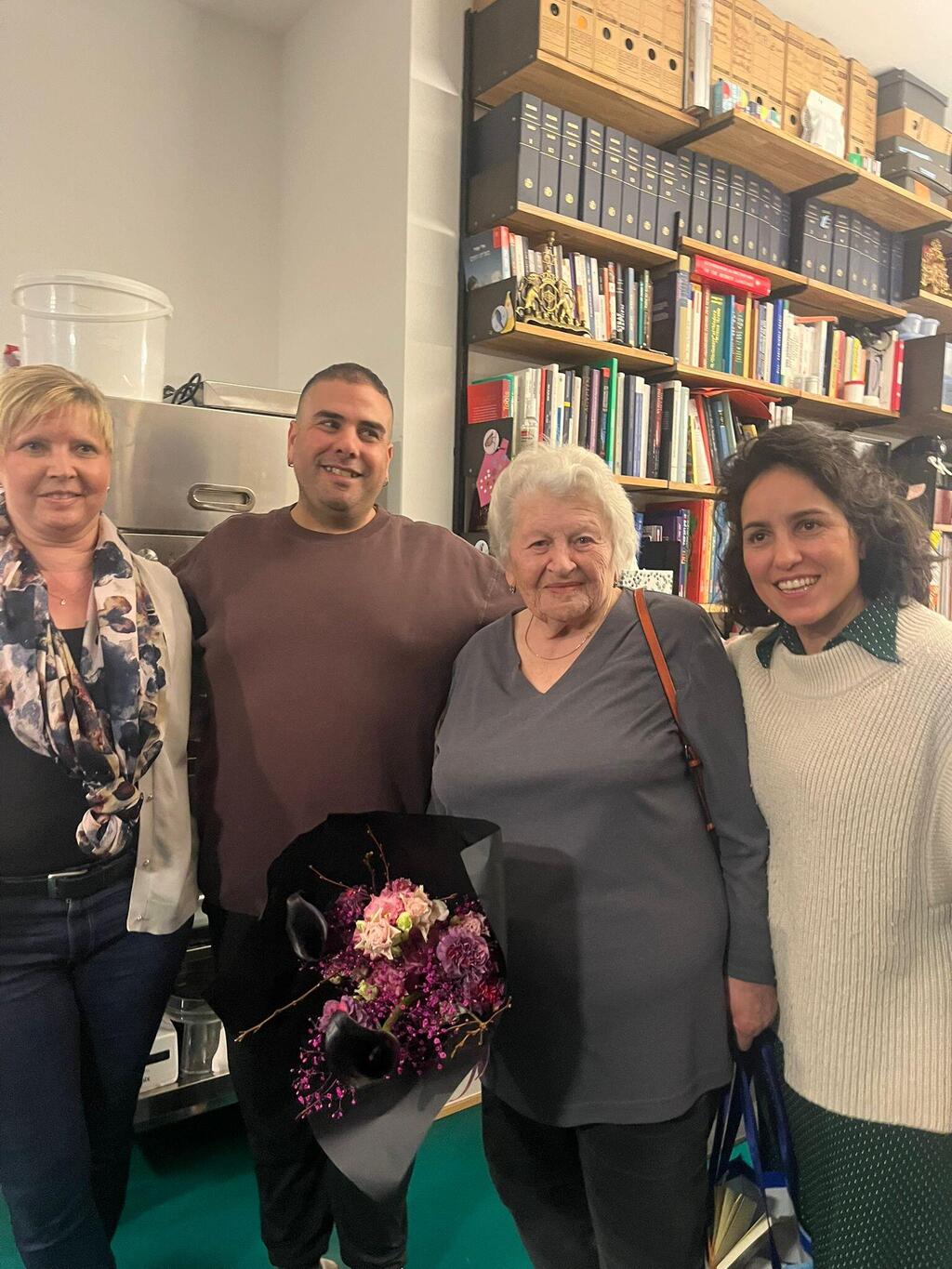
Germany
In Europe, Zikaron BaSalon continues to grow through gatherings, partnerships, volunteer leadership, and educational work that connect Holocaust survivors, descendants, local Jewish communities, and wider audiences.
Shelly Eliaz leads Zikaron BaSalon in Austria and shares the testimony of her grandmother Ruth Eliaz: “Only identification with the fate of the individual can prevent forgetting.”
“My grandmother’s unique story, together with the platform of Zikaron BaSalon, enables me and all of us outside of Israel to serve as ambassadors and advocates at a time when this is so critical for the Jewish people and for the State of Israel.
Zikaron BaSalon gatherings in Europe and around the world allow us to reach diverse audiences, remind them of what happened not so long ago, and hope that the present and the future will be better.
At this time, world Jewry is facing very difficult challenges: a time in which every Jew and every Israeli, wherever they may be, can become a “legitimate target” of hate crimes.
In the gatherings where I share my grandmother’s story, I also speak about the present and what we are experiencing today. These conversations open the eyes of those around us to the rise in antisemitism and to the importance of the State of Israel as a refuge for the Jewish people.
The State of Israel, the Jewish state, is the force that enables us to continue these efforts of advocacy and education.”
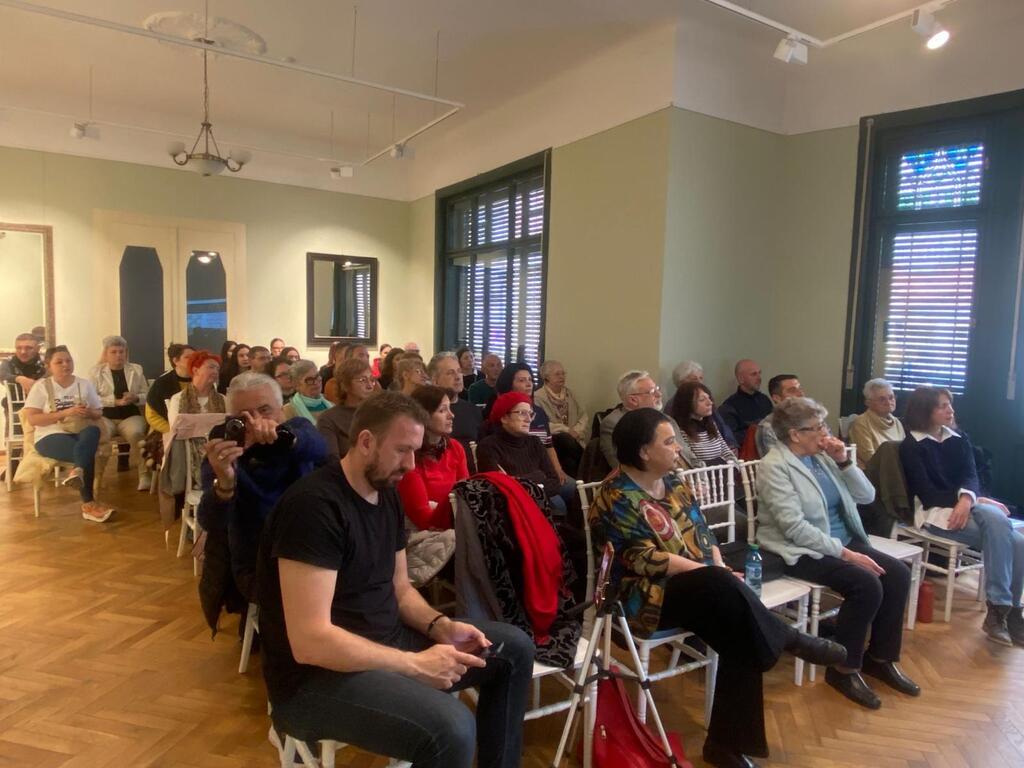
Romania
Since Oct. 7th 2023, Jewish and Israeli students deal with increased hostility, public tension and a growing sense of vulnerability. Still, Zikaron BaSalon gatherings are expected to take place across campuses worldwide, even as many of the students continue to face a difficult atmosphere marked by exclusion, fear and rising antisemitism. Recent data from ADL reflects that complexity in the United States: while its 2026 Campus Antisemitism Report Card found institutional improvement, with 58% of assessed schools receiving A or B grades, a parallel student survey showed that anti-Jewish attitudes and exposure to antisemitic behavior remain widespread.
For many students, these gatherings offer not only a way to mark Yom HaShoah, but also a space to strengthen identity, create connection and insist on the importance of remembrance at a time when Jewish life often feels under pressure.
Ariela Di Gioacchino, President of the World Union of Jewish Students: “In a time of rising antisemitism, the voices of Shoah survivors are more than memory. They are a responsibility and a call to action we cannot step away from.
This is why initiatives like Zikaron BaSalon matter so deeply. They create real spaces where the testimonies of those who endured the suffering of the darkest chapter of history are not just told, they stay with you, and they demand your commitment to carry them forward, to defend their truth, and to ensure they are never reduced to silence or distortion.
As the generation of Shoah survivors is inevitably leaving us, the responsibility becomes ours: to hold on to their words, to carry their lessons, and to make sure they are not lost. For us, and for every generation that comes after us.”
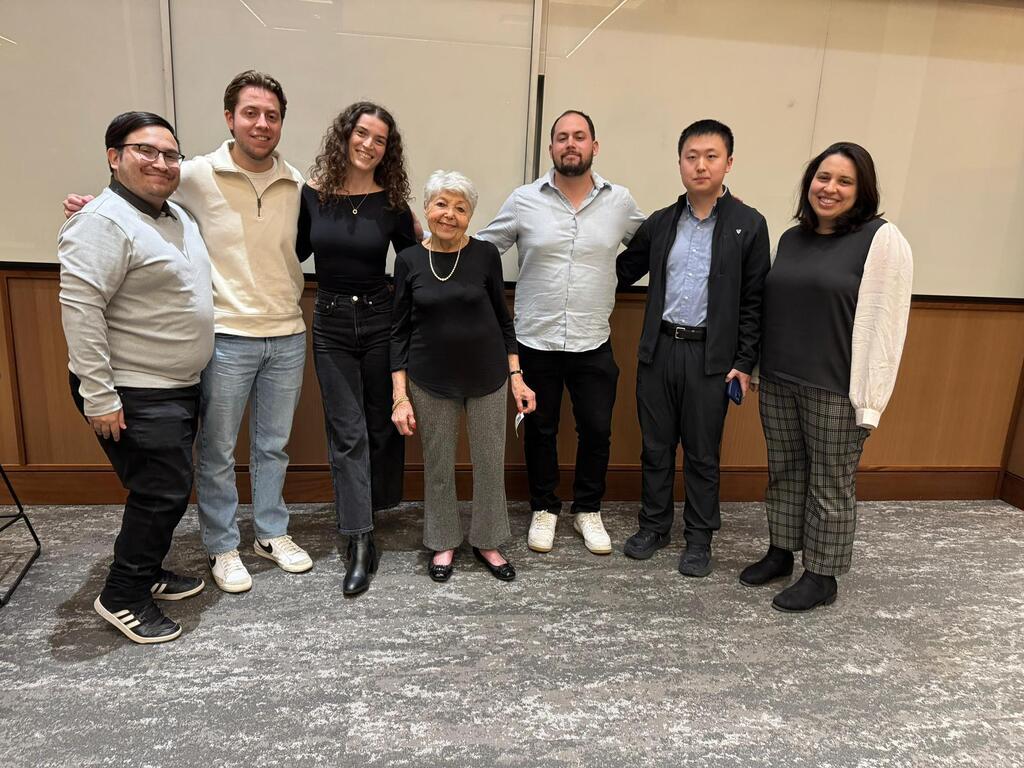
Johns Hopkins University
Alongside in-person gatherings, Zikaron BaSalon is also expanding its digital reach through online events that allow participants from different countries and communities to join meaningful Holocaust remembrance programs from wherever they are. These online gatherings have become an important way to make testimony accessible, connect communities across borders, and ensure that even those who cannot attend physically can still take part in Yom HaShoah.
The organization is also continuing efforts to preserve and share survivor testimony in accessible ways for international audiences. Among the recent initiatives is a joint campaign filmed last week together with StandWithUs, bringing Holocaust survivors and young Jewish participants together in front of the camera for a conversation about the reality facing Jewish communities today. As part of the filming, participants read testimonies from Jewish students on campuses around the world describing their experiences with rising antisemitism, fear, isolation, and the challenge of remaining visible and proud in hostile environments. The survivors responded with words of strength, perspective, and hope, offering the younger generation encouragement and a sense of continuity.
At a time when Holocaust distortion, denial, and antisemitism are again becoming more visible, Zikaron BaSalon’s global activity reflects a clear message: Jewish communities are choosing not to withdraw, but to come together. Through thousands of gatherings worldwide, they are creating spaces for memory, conversation, and connection, and making sure that survivor testimony remains relevant, personal, and alive for future generations.
First published: 19:33, 04.11.26