


“For the first time in Israel, couples can marry according to Jewish law without involving the Chief Rabbinate and still register as married with the Interior Ministry,” Rabbi Aaron Leibowitz, head of the Chuppot organization, tells ynet. The new service allows couples to combine three desires that, until now, could not coexist: holding a traditional Jewish wedding, avoiding the Rabbinate and being officially registered as married in Israel.
Chuppot, which aims to break the Rabbinate’s monopoly, conducts halachic Orthodox weddings while seeking — according to each couple’s wishes — to give the bride and women in general a bit more presence under the chuppah. A surprising partnership between the Orthodox organization and a Utah-based civil wedding officiant now allows Israeli couples to wed according to halacha outside the Rabbinate, and to register as married in Israel through a supplementary civil ceremony held via video call.
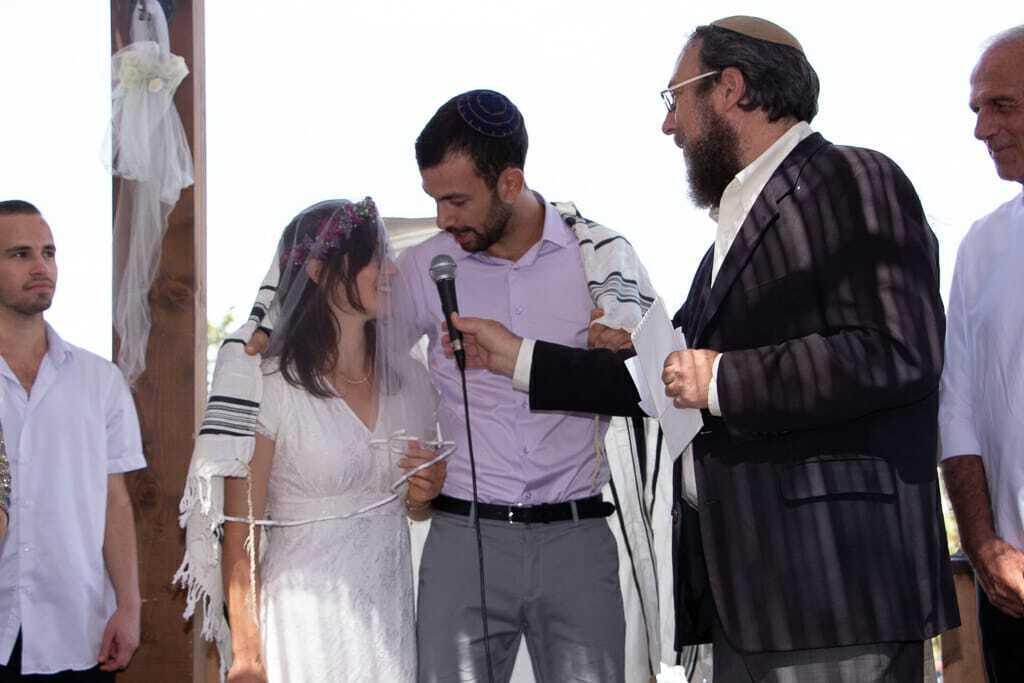
Believe it or not, it all became possible thanks to the COVID-19 pandemic. At the start of the pandemic, gatherings were banned, including for weddings. In Utah, officials made an unusual decision: anyone authorized to officiate a wedding — religious or civil — could conduct the ceremony even if not physically present, meeting the couple only via Zoom. Instead of flying to Cyprus or elsewhere abroad for a civil wedding recognized by the Interior Ministry, couples could now marry over a video call and be registered by a Utah marriage clerk.
The Chief Rabbinate tried to resist, but in 2022, an administrative court ruled that the Population Authority and Interior Ministry must recognize all couples married through “Utah weddings” and register them as married. The decision effectively approved remote civil weddings performed in Israel. Beneficiaries included mixed-faith couples, same-sex couples, people disqualified from marrying through the Rabbinate and others who simply wanted to avoid the Rabbinate altogether.
Recently, Chuppot decided to take advantage of the precedent. They recruited Arielle Ross, a 30-year-old Jewish resident of Utah. She works as a software developer but is also certified by the state to officiate civil weddings via Zoom. From now on, at every Chuppot wedding conducted in Israel by a rabbi or female rabbi, couples may choose to hold a simultaneous civil ceremony on Zoom. Ross issues an American marriage certificate that is also recognized by the Interior Ministry.
The service comes with a fee and certain conditions. The cost is NIS 1,700, with a formal receipt. Rabbi Leibowitz promises there is zero chance — as has happened at events in Israel — that the officiating rabbi will ask for a cash-filled envelope at the end “for the driver” or similar.
Bridge between tradition and personal freedom
Ross explains: “About two years ago, a friend of my sister — a religious Israeli woman from Jerusalem — approached me because she wanted a halachic wedding outside the Rabbinate. She knew I lived in Utah and that Israelis could now marry via Zoom from Utah. So I decided to get licensed to officiate weddings just for her.”
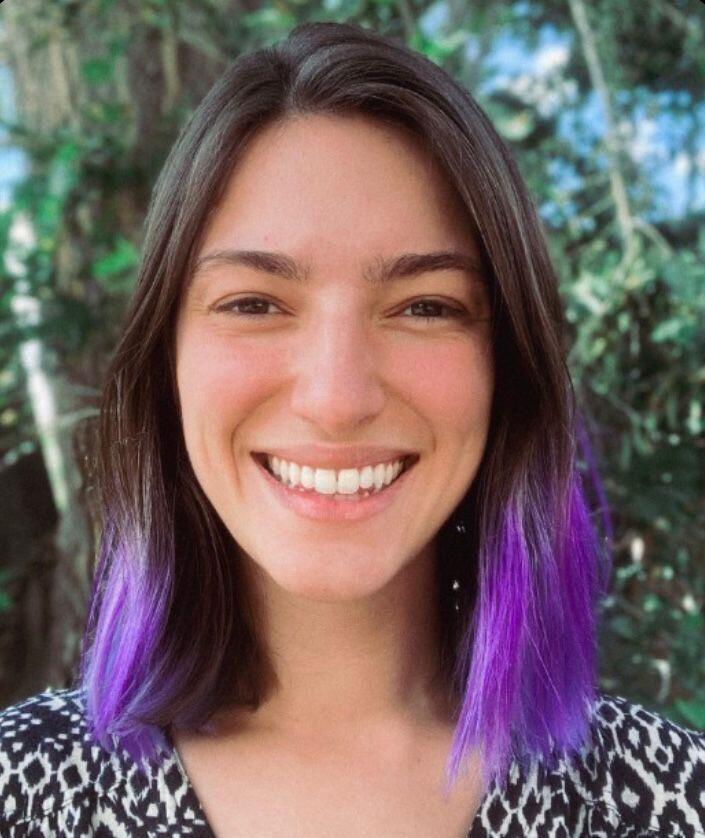
Arielle Ross; restoring the freedom to choose
“Seven years ago, I was on the other side — I wanted to marry an Israeli according to Jewish law but without going through the Rabbinate,” she says. “Since I knew Chuppot, I held a halachic ceremony that fit my values and registered as married in the United States. In the Orthodox community where I grew up, it’s obvious — community rabbis perform weddings without a central authority, fully within halacha and with a real connection to the couple. When I came to Israel and saw the Rabbinate blocking that possibility, I realized how unusual the situation here is.”
And what is it like to supervise from afar?
“Now I’m on the other side of the screen, sitting in Utah and accompanying couples from Tel Aviv, Jerusalem or Haifa, watching them get emotional when they realize that within 15 minutes they will have both an Orthodox wedding and a legal marriage certificate. It’s a moment that bridges thousands of years of tradition with personal liberty, and I’m proud to be part of a movement that restores the freedom to choose — within halacha — to Jewish life in Israel.”
Insisting on prenuptial agreement
Rabbi Aaron Leibowitz, 57, was ordained by Rabbi Shlomo Riskin and Rabbi Chaim Brovender and serves as the rabbi of the Va’ani Tefillah community in Jerusalem’s Nahlaot neighborhood. In 2012, he shook the religious establishment when he founded the Hashgacha Pratit organization, which competed with the Chief Rabbinate’s kashrut system. In 2018, he transferred operations to the Tzohar rabbinical organization, which now runs “Tzohar Kashrut.” With the time that opened up, he launched Chuppot, offering an alternative to weddings conducted by the Chief Rabbinate through local religious councils.
To avoid any confusion, Leibowitz makes clear at the outset that he is an Orthodox rabbi. “I operate strictly according to Jewish law, which is why I will not officiate a same-sex wedding or marry a kohen to a divorcée or convert.”
So what is different?
“In Israel today, many people want a traditional Jewish wedding but discover that rabbis employed by the religious councils refuse to allow practices that are not prohibited by halacha. For example, some couples want the bride to give a ring to the groom, or for a woman to recite one of the Sheva Brachot under the chuppah. While some halachic authorities permit this, the Rabbinate bans it.
“There are cases where one partner converted through a private rabbinical court the Rabbinate does not recognize. In such cases, Rabbinate-affiliated rabbis will not marry the couple. But when the conversion was done according to halacha, Chuppot will conduct the ceremony. Chuppot also allows couples to choose a female rabbi to officiate, which is halachically permissible.”
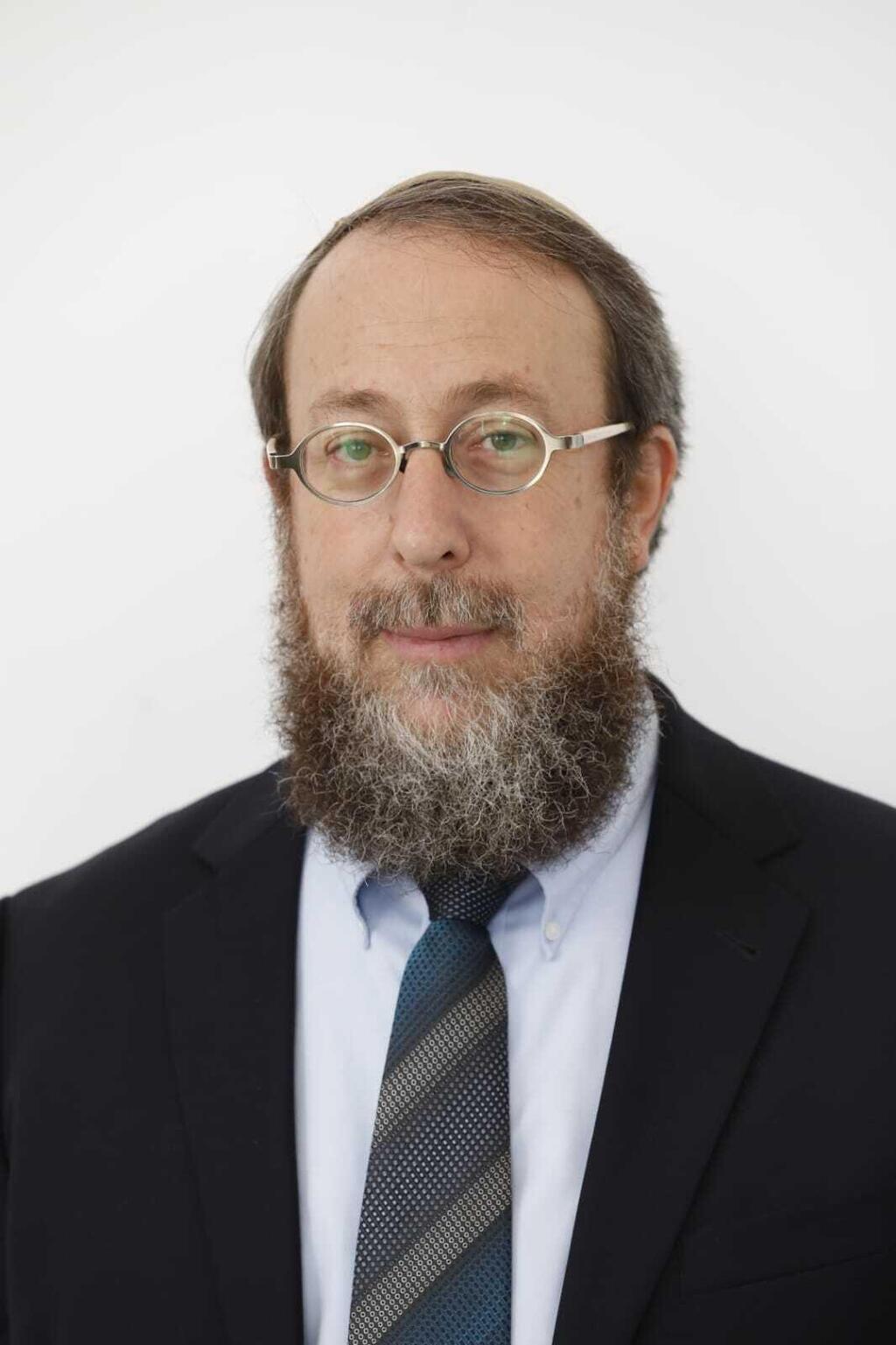
Rabbi Leibowitz
(Photo: Hila Shiloni)
Even you have restrictions. You refuse, for example, to officiate without a ketubah.
“Jewish law requires a ketubah, and since I follow halacha, our weddings include one. It’s important to remember — contrary to popular misconception — that the ketubah was created to protect women at a time when they had no rights. The sages crafted a legal document outlining the husband’s obligations to his wife, including financial compensation in the event of divorce or widowhood.
“Today, there is an even better way to protect both spouses: a halachic prenuptial agreement. Couples who marry through us must sign one — both the man and the woman — to prevent situations of get-refusal. Both partners agree in advance that if either refuses a divorce, significant financial penalties will apply. Experience worldwide shows these agreements work, so for us they are a firm prerequisite for conducting the wedding. Unfortunately, the Chief Rabbinate refuses to require or even recommend such agreements.”
Are there religious couples who want to marry outside the Rabbinate as well?
“Yes. Many secular and religious Israelis alike have grown tired of the Rabbinate’s monopoly.”
But one can marry through Tzohar.
“Tzohar weddings are essentially Rabbinate weddings. Registration takes place, for example, in Shoham, where Tzohar’s chairman, Rabbi David Stav, is the town rabbi. But for the Rabbinate to recognize the marriage, Tzohar’s rabbis must comply with all Rabbinate rules — such as the ban on women reciting the Sheva Brachot. Tzohar tries to create a friendlier alternative, but it does not wage the necessary struggle against the Rabbinate’s monopoly in the area of marriage.”
Why are you fighting the Rabbinate?
“For years, the Chief Rabbinate has been controlled by the ultra-Orthodox establishment, and its monopoly is essentially an ultra-Orthodox monopoly over religious services. It enforces a fundamentalist, stringent approach that leaves large segments of Israelis outside, even though they deserve to be inside. Once we won and opened the kashrut market to competition, our work there was done. Today, I’m focused on the fight over marriage.”