

Nearly 45% of applications for German citizenship from descendants of Nazi persecution victims come from Israel, more than any other country; since October 7, growing numbers of Israelis have sought a second passport as a potential escape route amid regional instability
German authorities have received more than 170,000 applications for citizenship since 2023 from people who suffered persecution under the Nazi regime or their descendants. The applications involve individuals who were stripped of their German citizenship or forced to relinquish it on political, racial or religious grounds between January 30, 1933, and May 9, 1945.
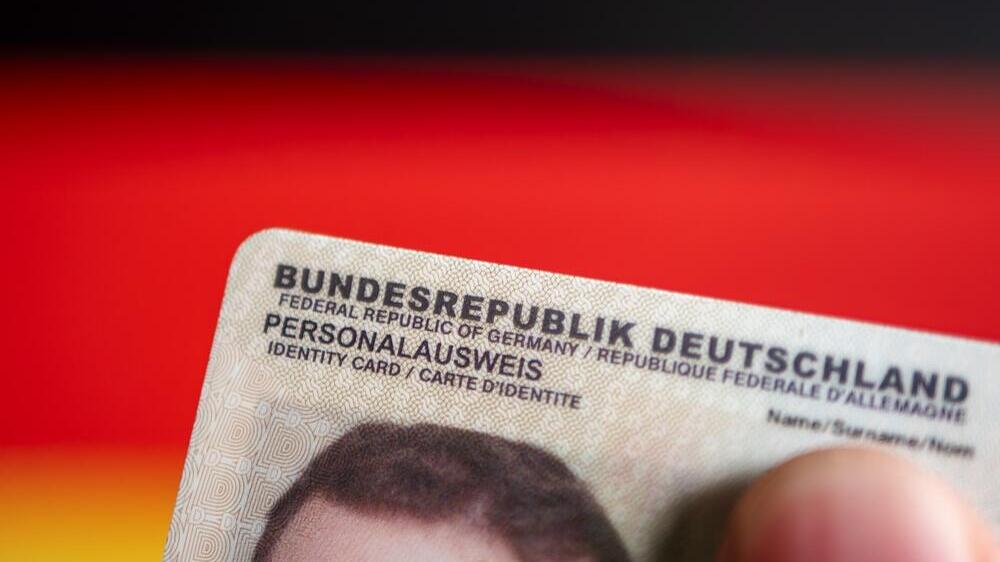
According to German authorities, applications have surged in recent years, arriving from countries around the world. Nearly 45% have come from Israeli citizens, more than from any other country. Under legislation enacted in 2021, descendants of people who were denied citizenship because of Nazi persecution may qualify for German citizenship even if their ancestors never held German nationality.
Germany's federal authorities responsible for processing citizenship applications have reported a sharp increase in demand. Last year, the number of applications rose by approximately 60%, reaching 11,500, including 5,924 submitted by Israelis, compared with 3,640 Israeli applications in 2024.
Applicants from the United States ranked second, submitting 2,995 requests last year, up from 2,025 in 2024.
From Brexit to October 7: Why demand for German passports is rising
According to German statistical authorities and the German Center for Integration and Migration Research, the growing demand for citizenship is closely linked to geopolitical developments.
The first major wave came from British Jews following Brexit, many of whom sought German passports to retain the benefits of European Union citizenship. A smaller wave followed Russia's invasion of Ukraine in February 2022.
More recently, applications from American citizens rose significantly following Donald Trump's reelection as president, partly amid concerns over his administration's policies toward LGBTQ people.
One example is Debra Guckenheimer, whose ancestors were murdered in the Holocaust and whose parents managed to escape from Germany to the United States. She decided to return to Germany amid concerns about the treatment of her two nonbinary children.

Brandenberg Gate in Berlin lit up like an Israeli flag on the third anniversary of October 7
(Photo: Tobias Schwarz / AFP)
Since the October 7 massacre and the subsequent regional wars, applications from Israel have increased sharply.
German authorities emphasize, however, that the number of citizenship applications and approvals does not necessarily reflect the number of Israelis actually relocating to Germany. For many, obtaining a German passport represents a backup plan rather than an immediate intention to emigrate.
Officials note that many older Israelis are applying for citizenship on behalf of their children and grandchildren, both as a precaution against future instability and as a way to expand their opportunities.
Beyond providing a potential place of refuge if circumstances in Israel deteriorate, German citizenship offers younger generations the possibility of living in Europe, enjoying the freedoms of a liberal democratic society and accessing higher education without tuition fees at many public universities.
For a growing number of Israeli families, the German passport is therefore less about leaving Israel today and more about ensuring that future generations have the option to do so.