


You only live once, as the saying goes. So how should that life be lived? This philosophical question accompanies nearly everyone, and Jeffrey Katz is convinced he has answers. In fact, he insists he did not invent them himself, but that they have been with us all along, for centuries. The question, then, is whether those who read “Rules to Live By: Maimonides' Guide to a Wonderful Life,” written by Katz, will truly gain a better life.
Katz, a New York–based attorney and Columbia University graduate, returned home one Passover vacation and found a book about Maimonides—Rabbi Moses ben Maimon— in the living room. That night changed his life. Over the years, he became a go-to figure for students and businesspeople facing pivotal crossroads.
Gallery
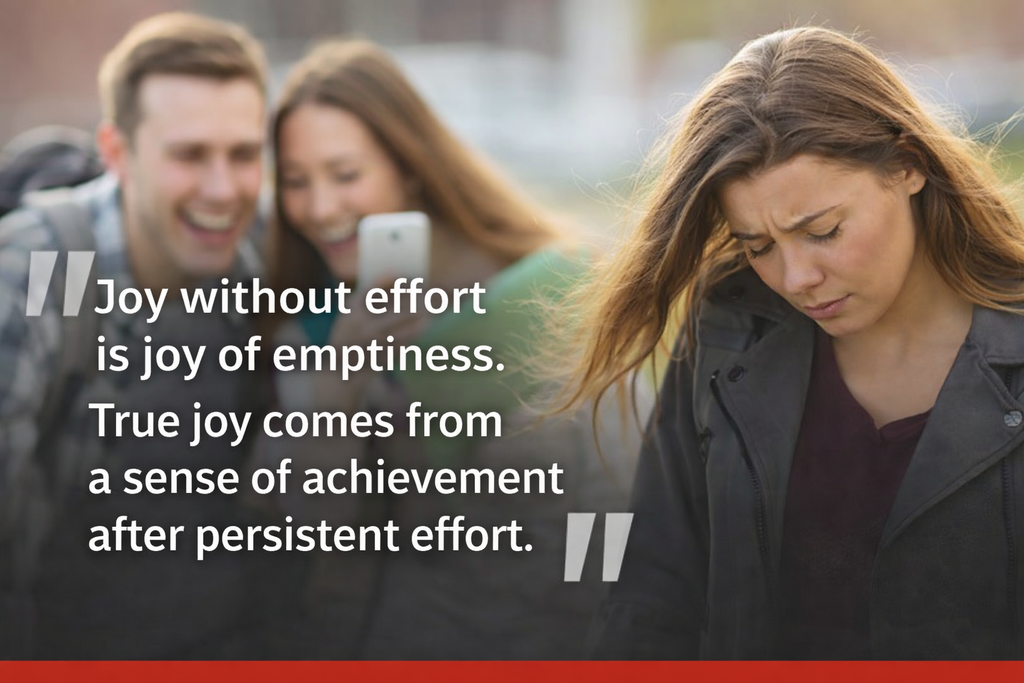
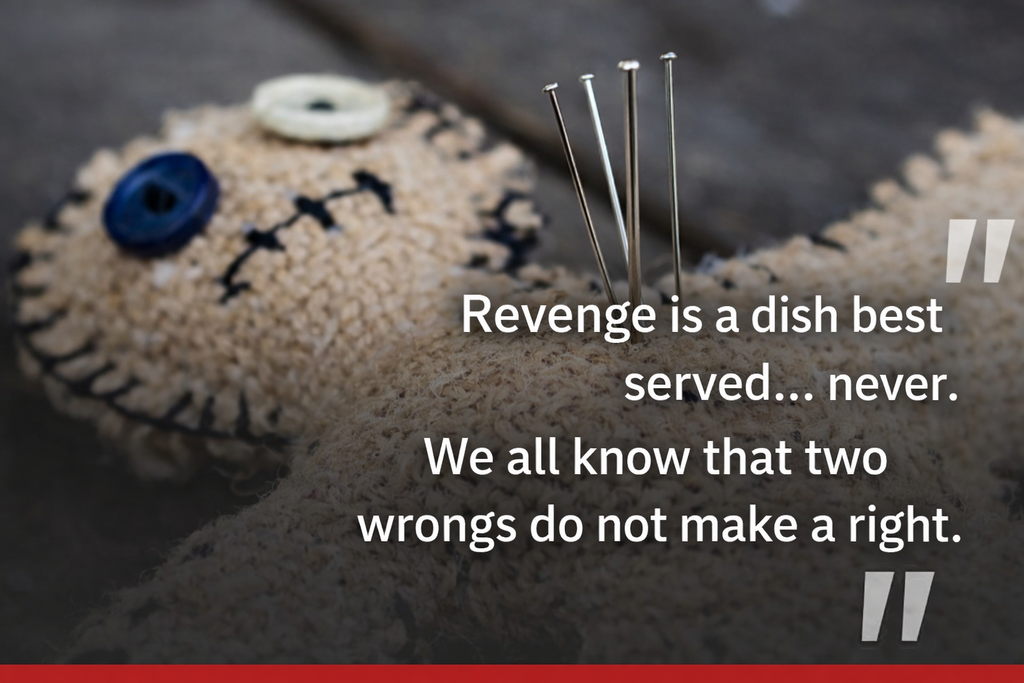
Quote from Jeffrey Katz's book, based on insights from the writings of Maimonides
(Photo: Shutterstock)
“They call me with a ‘Maimonidean emergency,’” Katz explains. “We’re not talking about halacha, but about life itself: Should I take this job? How do I respond to an insult? How do I stay sane? The book was born out of the need to give people this toolbox in an accessible way.”
Katz lays out a series of life guidelines—about conduct, relationships with others, family and children, and career advice—all inspired by Maimonides’ writings. Among them: offer constructive criticism with love; choose the middle path; avoid anger and arrogance; turn to charity only as a last resort; do not believe in astrology; and avoid foods that are not suited to your body.
Your advice clearly has value, but the real challenge is implementation. How do you overcome deeply ingrained bad habits?
“Overcoming entrenched bad habits can happen in only one way. It won’t come from deciding, from now on, to be different—that’s hopeless. The key is to force yourself to start performing small actions, the kind a person with the habits you want to develop would do. Maimonides understood that it’s far easier to force yourself to change behavior than to force yourself to change emotions.
“The magic of this method is that if you consistently repeat the desired behavior, the new habit—the opposite one—will eventually become ingrained in your character, just as the unwanted habit once was. In this way, anyone can shape themselves into the kind of person they want to be. Everything is possible for you.”
Easy to say, harder to do. What did you personally change by applying this method?
“Before I got married, I was extremely frugal—some would say stingy. I counted almost every penny and found it very hard to spend money. When I met the woman who would later become my wife, I realized this would be a serious source of friction. I wanted very much to overcome my ingrained stinginess, but I still couldn’t get past my strong aversion to spending money.
(Photo: Shutterstock)
“So I followed Maimonides’ advice and gradually forced myself to take my fiancée out to nice dinners and to buy her completely unnecessary gifts. It annoyed me; I felt like I was throwing money away. I made sure to spend money on the relationship even when I could easily have avoided it, gradually increasing the pace within what I could afford. I knew she loved good chocolate, so I began buying her quality chocolates regularly. It hurt—but I was determined to rid myself of my stinginess, so I kept going.”
According to Katz, “After about two years of deliberately spending money on her, even when I could have avoided it, I discovered that it no longer hurt to spend money. In fact, I began to feel deep gratitude to God and joy that I had money to spend on such luxuries, and I started to enjoy what I earned much more, taking great pleasure in sharing that blessing with those I love. These feelings grew over time, to the point that today I have to be careful not to overspend. Over time, the deeply rooted habit of stinginess was reversed through Maimonides’ method. This is true of most human habits, if not all of them.”
(Photo: Shutterstock)
He adds: “I found that once I trained myself to spend money more freely, I also became more financially successful. After shedding my stinginess, I was more open to good investment opportunities. In the past, I hesitated to spend money on anything, so I also avoided investments, even when they looked excellent. Everything changed once the ability to part with money became ingrained in my character. You have to spend money to make money, as the saying goes. Once I could spend it more freely, I could also earn it more easily.”
What’s the psychological explanation for that?
“It’s hard to make good decisions when you’re too emotionally involved. A surgeon will never operate on his own child, even if he’s highly skilled, because he’s too emotionally involved. Similarly, if you’re emotionally attached to your money, you won’t be able to make the best financial decisions for yourself, because you won’t be objective. Once you develop healthy emotional distance from money, your financial decisions improve—and you’re on the path to financial success.”
'Extremists are usually bitter and unhappy'
One of Katz’s more striking pieces of advice concerns extremism. He states that “it’s rare to find an extreme person who is happy.” In a polarized world full of noise and radicalism, this may be one of the most relevant insights of our time.
They may not be happy, but extremists are often the ones who stand out and get heard. How do you address that?
“People who go to extremes in order to be heard are usually not the happiest people, even if others listen to them. Experience shows that loud extremists are often bitter and unhappy individuals whose lives are driven by grievances against society. Quiet extremists are often recluses who have rejected society or large parts of it. Both types have a deep need to be heard, but also deep inner unhappiness that often pushes them toward extremism.
"This is the opposite of a life of inner peace and focus, as lived by those who strive for balance and moderation. Such people may find it harder to get their message across, but they will usually be far happier and more satisfied with their lives.”
According to Katz, “Maimonides shows us how a life of moderation and focus helps us achieve what truly matters. He trains us to avoid the many distractions that flood us all day—today in the form of ads, emails, messages, phone calls and the like. The goal is to avoid a life of constant reactivity to everything coming from all directions. That’s an unbalanced life. You learn to preserve your mental and emotional energy for what truly matters, and to ignore distractions that drain you. By maintaining focus on what’s important to you and on your personal and professional growth, you maximize your chances of a wonderful, fulfilling and happy life. There’s no need for extremism.”
(Photo: Shutterstock)
What advice do you have for people who want to be better parents?
“Parents must first and foremost remind themselves of the great privilege they have in shaping human lives. They should always act in the child’s best interest, not their own. Parents are often tempted to project their own aspirations and unrealized dreams onto their children and push them to achieve what they themselves wanted but didn’t attain. In most cases, this is a disaster, because the child usually doesn’t naturally want the same things. It often leads to bitterness and distance between parents and children.
“Instead, parents should help their children realize their own highest abilities and dreams. If parents do everything they can to help their children achieve worthy goals, the children will love and deeply respect them.”
How does that work in everyday life?
“A crucial part of children’s success is developing their ability to judge wisely based on rational thinking. Be advisers to your children, not commanders. Instead of telling them what to do, teach them how to think through different courses of action and the possible consequences of each. Over time, they’ll learn to judge for themselves and develop self-confidence and joy.
“Children should be like trees with deep roots, able to stand firmly on their own. Trees that are overwatered don’t develop deep roots, because they aren’t forced to search for water deep in the ground. The same is true of children who are constantly told what to do—they don’t develop independent judgment or self-confidence.
“Teaching children to think logically, in line with the values their parents instilled in them, is one of the surest ways to increase the likelihood that they’ll continue to adhere to similar values. If parents don’t do this, many others will be happy to pull their children toward different ways of thinking and a different value system.”
Do you think one has to be religious to live this way? Is religion essential to becoming a better person?
“The Jewish people have been blessed with an unparalleled heritage. The Jewish way of life promotes a wonderful balance between family and community life, spiritual life and material pursuits. A key element is the discipline acquired through this way of living. Maimonides notes that the restrictions on foods and other activities in Jewish law are meant to instill moderation, restraint, and thoughtfulness in all areas of life—qualities that are keys to success in most fields.
“That said, observing Jewish law is not the only way to achieve these benefits or to become a better person. Maimonides points out that God allowed Islam and Christianity to spread, and through them correct ideas about monotheism and ethics were disseminated, even though they do not contain the whole truth. It’s possible that other paths can achieve similar results. Observing Shabbat on Wednesday, as a humorous but illustrative example, wouldn’t change much, but since the Jewish people already have a system tested over centuries and proven effective, why change a winning formula?”
How can studying Maimonides help my career?
“At the most basic level, Maimonides shows that anyone can succeed in the working world, regardless of IQ or technical skills. If you develop four character traits—integrity, reliability, decisiveness and a willingness to work hard—you’ll stand out above most of your peers. These traits are basic, but the combination is rare. Every business needs managers with these qualities. Every boss wants employees who are honest, punctual and who carry out tasks as promised.
“Maimonides emphasizes the importance of decision-making, because many people fear it. He taught that the horror of indecision is far worse than the risk of making a wrong decision. In business dealings, he also insists that every deal must be good for both sides. Understanding the other party’s needs and ensuring their satisfaction is essential for business success and long-term relationships. Maimonides condemns one-sided deals, even if they benefit you, because they undermine trust and future relationships. This is an application of ‘love your neighbor as yourself’ in a business context.”
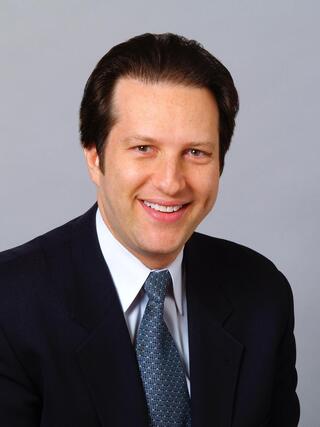 Jeffrey Katz, author of 'Rules to Live By: Maimonides' Guide to a Wonderful Life'Photo: Courtesy
Do you think this wisdom can also help the Jewish people and the State of Israel after several very difficult years?
“As someone who doesn’t live in Israel and hasn’t experienced events since October 7 firsthand, I’m very cautious in my words. Maimonides himself endured severe tragedies—from the invasion of Córdoba in his childhood, through years of wandering and persecution, to the death of his brother at sea. Yet he wrote his greatest works precisely during difficult times.
“From my perspective, there’s a certain similarity between Maimonides’ struggles and triumphs and what Israel has gone through in recent years—a people that faced horrors but managed to unite, grow stronger, and build a better future. Maimonides’ message is one of faith and hope in the ability to build a good life under any conditions. That is the Jewish spirit at its best, and I believe it’s the same spirit that guided Israel through this difficult period.”
First published: 00:53, 02.09.26