

The decision by organizers of London’s Wireless Festival to spotlight U.S. rapper Ye, formerly known as Kanye West, drew fierce criticism from Jewish leaders and antisemitism watchdogs, who said the move came at a time of rising antisemitism in Britain and reflected a failure of due diligence.
Raphi Bloom, a board member of the Jewish Representative Council, said there should be “safeguards in place for people like Kanye West” and called for “better due diligence when booking acts.”
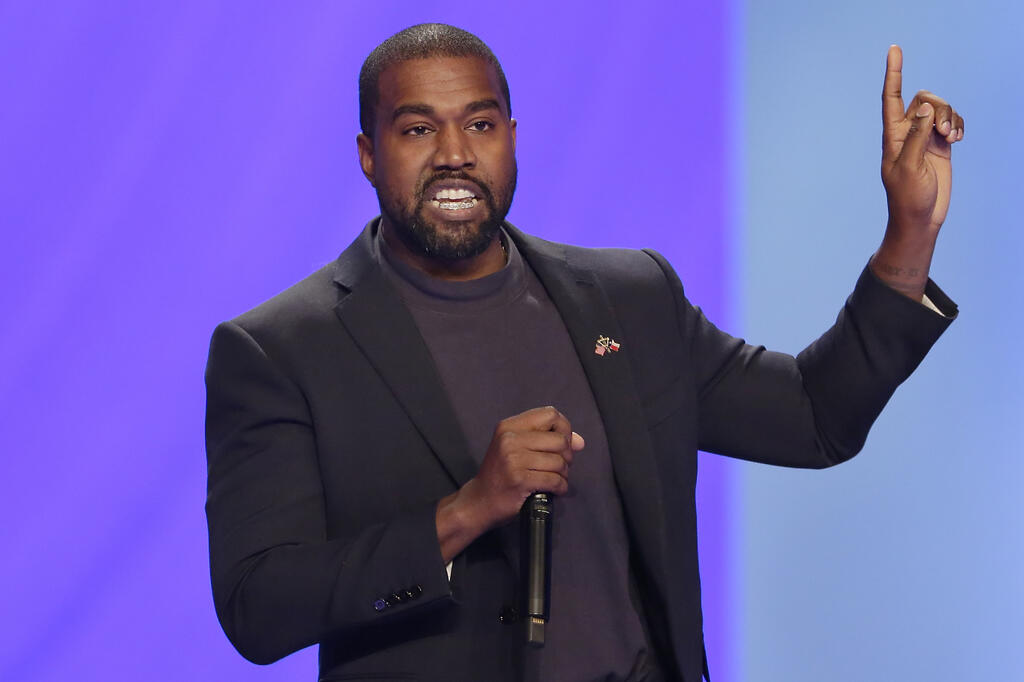
Kanye West
(Photo: AP)
Bloom said he also wants “a better code of practice for event promoters and organizers all the way up the chain, so that none of them can hide behind the other.”
Reacting to Wireless Festival’s original decision to give Ye a platform, Bloom described it as “another addition to the tsunami of Jew-hatred that the U.K. Jewish community has faced since October 7.” He accused the rapper of engaging in “the most vicious anti-Jewish racism.”
“This is another example of cultural spaces, iconic venues and festivals platforming people who’ve engaged in the most vicious and vile Jew hatred with no regard for the Jewish community,” Bloom said.
He also criticized the festival and its organizers over their response to the backlash, saying the Jewish community had been told by the promoter that Ye had apologized and that they should accept it.
“The fact that the Jewish community were told by the event promoter that Kanye West had apologized and we should accept it was disgraceful,” Bloom said.
He singled out organizer Melvin Benn, saying it was “really disingenuous” to suggest that Ye’s apology could be accepted on behalf of British Jews.
Bloom said the attempt amounted to “gaslighting the Jewish community” because Benn was “effectively accepting Kanye West’s apology on behalf of the Jewish community, even though he’s not Jewish himself.”
A spokesperson for Campaign Against Antisemitism said that for the festival and its organizers “to truly make amends, we need to see real accountability, and acceptance in understanding why inviting this modern day hate-preacher to headline was such a corrosive move for the British Jewish community, so that future festivals don’t make the same mistake.”
The backlash followed the announcement that Ye would headline all three nights of Wireless Festival in London’s Finsbury Park. The controversy later escalated, and the rapper was blocked from entering Britain, leading to the cancellation of the festival.
British Prime Minister Keir Starmer said Ye should “never have been invited to headline Wireless” after the Home Office announced its decision.
Festival organizers had initially hoped the planned appearance would mark what they called “an extraordinary chapter in Wireless’s story.”
Phil Rosenberg, president of the Board of Deputies of British Jews, also criticized the organizers, saying, “It is deeply regrettable that Wireless Festival invited him in the first place and then doubled down when the Jewish community and our allies objected.”
Ye has faced repeated criticism in recent years for antisemitic remarks and conduct.
In 2022, he posted on social media that he would go “death con 3 On JEWISH PEOPLE,” in a message widely condemned as antisemitic. That same year, in an appearance on Alex Jones’ show, he said, “I see good things about Hitler,” while also promoting antisemitic conspiracy theories.
In February 2025, Ye aired a Super Bowl advertisement directing viewers to an online store selling a $20 T-shirt bearing a black swastika. He later released a music video titled “HEIL HITLER,” featuring Nazi imagery and the lyric, “So I became a Nazi, I’m the villain.”
The 24-time Grammy winner later apologized, saying, “I am not a Nazi or an antisemite. I love Jewish people,” and attributed his actions to bipolar disorder, which he said had contributed to “poor judgment and reckless behavior.”