

The Museum of Jewish Heritage – A Living Memorial to the Holocaust will open a landmark exhibition in September marking the 80th anniversary of the recovery of the Oyneg Shabes Archive, the clandestine collection of documents created by Jews in the Warsaw Ghetto to preserve their own account of the Holocaust.
The exhibition, "Will These Words Reach You? The Underground Archive of the Warsaw Ghetto," opens Sept. 18, exactly 80 years after the first cache of the archive was unearthed beneath the ruins of the Warsaw Ghetto in 1946.
Gallery
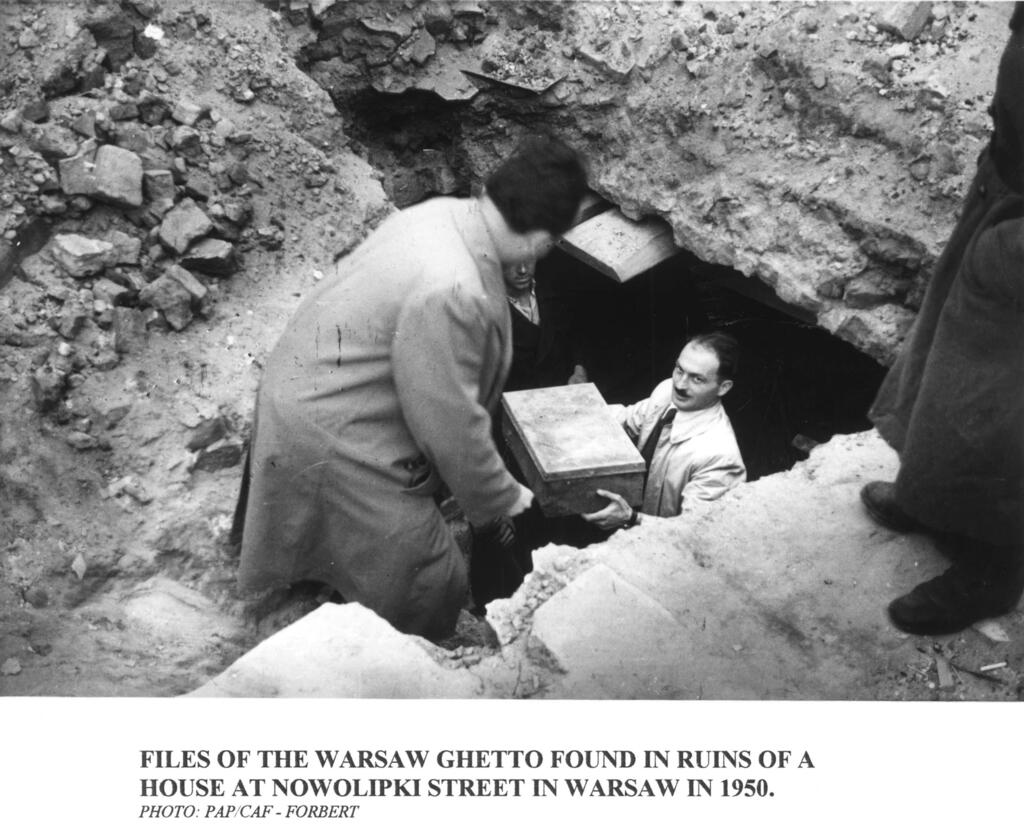
Workers recover part of the Oyneg Shabes Archive from beneath the ruins of the former Warsaw Ghetto after World War II. The clandestine collection of nearly 35,000 documents was buried by Jewish historians to preserve a firsthand account of the Holocaust
(Photo: Courtesy of the Museum of Jewish Heritage – A Living Memorial to the Holocaust)
Making its U.S. debut, the exhibition will feature original artifacts from the archive alongside multimedia installations documenting its creation, concealment and postwar recovery.
Among the highlights is one of the original metal milk containers used to bury the archive beneath the ghetto, as well as original testimonies, diaries, letters, underground newspapers, children's writings, artwork, ration cards and other cultural artifacts created during the Nazi occupation.
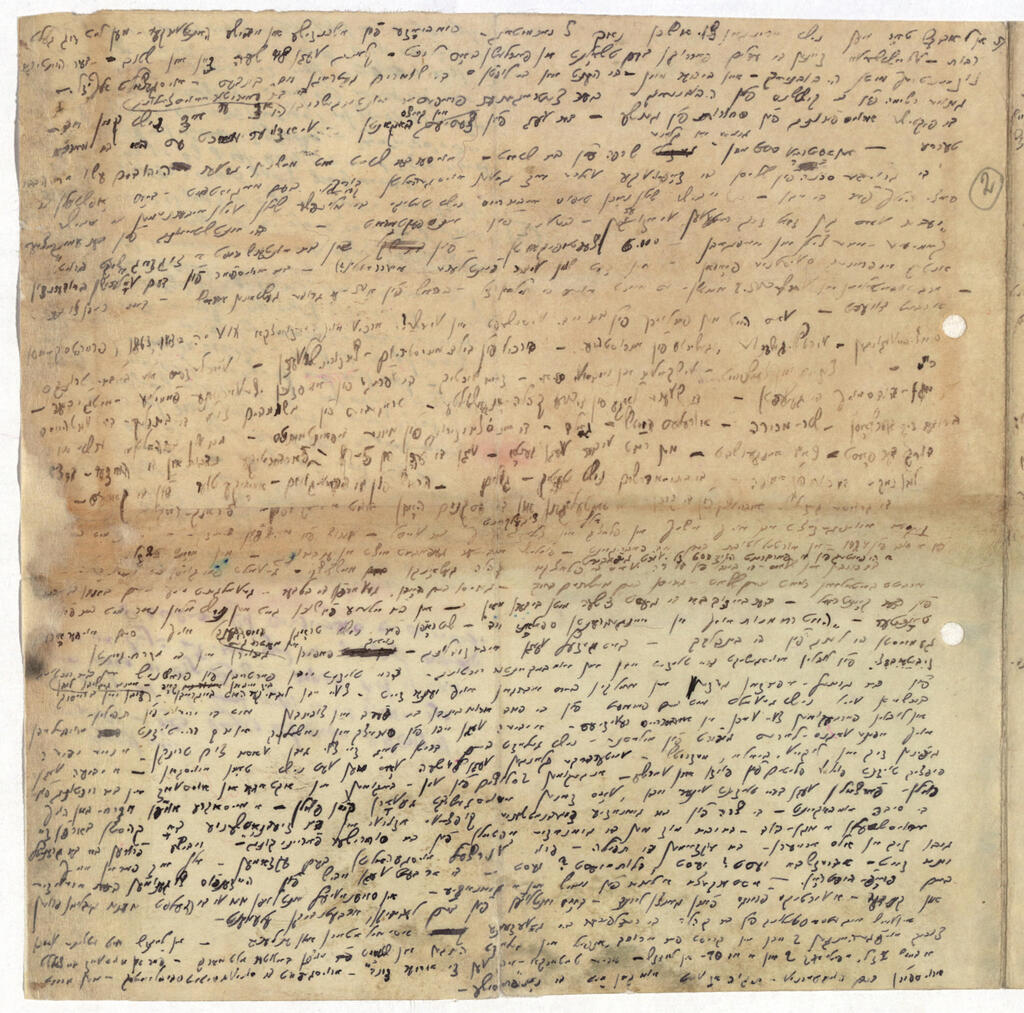
A handwritten document from the Oyneg Shabes Archive, one of thousands of testimonies, diaries and records secretly created by Jews inside the Warsaw Ghetto to document life under Nazi persecution
(Photo: Courtesy of the Museum of Jewish Heritage – A Living Memorial to the Holocaust)
Animated projections, maps, infographics and archival film footage will trace the story of the archive's recovery after World War II.
The Oyneg Shabes Archive comprises nearly 35,000 documents secretly assembled inside the Warsaw Ghetto by Jewish historians, educators, journalists, artists and community leaders determined to ensure that future generations would understand the Holocaust through Jewish voices rather than solely through Nazi records.
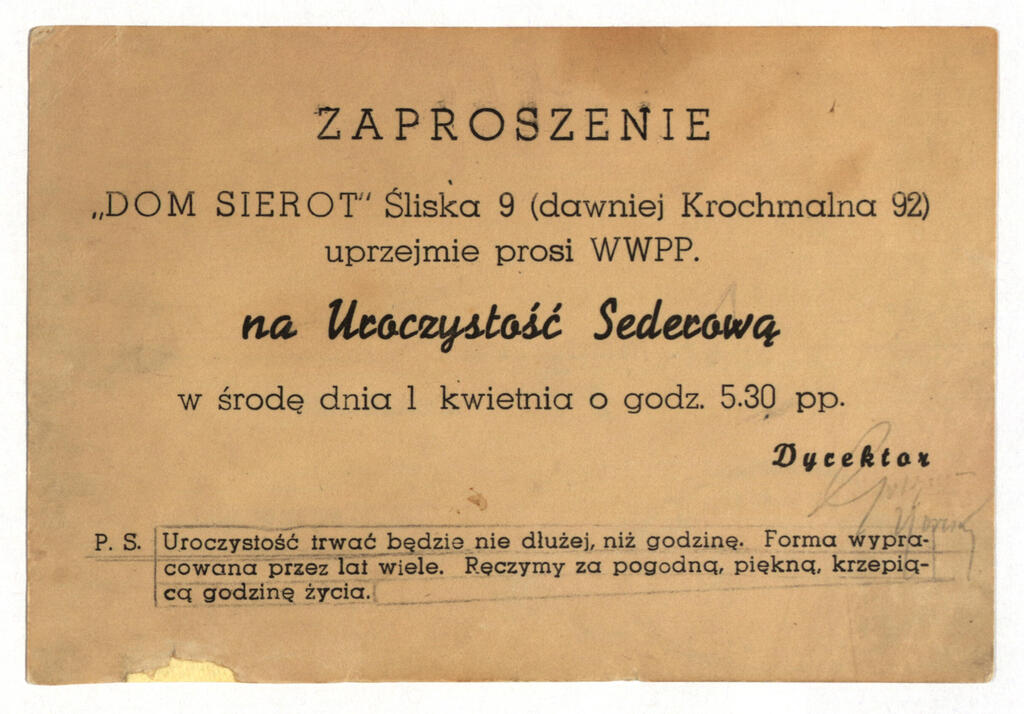
An invitation to a Passover Seder for children in the Warsaw Ghetto
(Photo: Courtesy of the Museum of Jewish Heritage – A Living Memorial to the Holocaust)
"Most of what historians know about the Holocaust comes from documentation created by the Nazis," said Sara Softness, the museum's director of curatorial affairs. "The Oyneg Shabes Archive is a rare instance of Jews ensuring the historical record captured their own lived experience—in real time, as they were living it."
The museum said the exhibition comes at a time of rising antisemitism and Holocaust distortion, underscoring the importance of preserving firsthand evidence created by victims themselves.
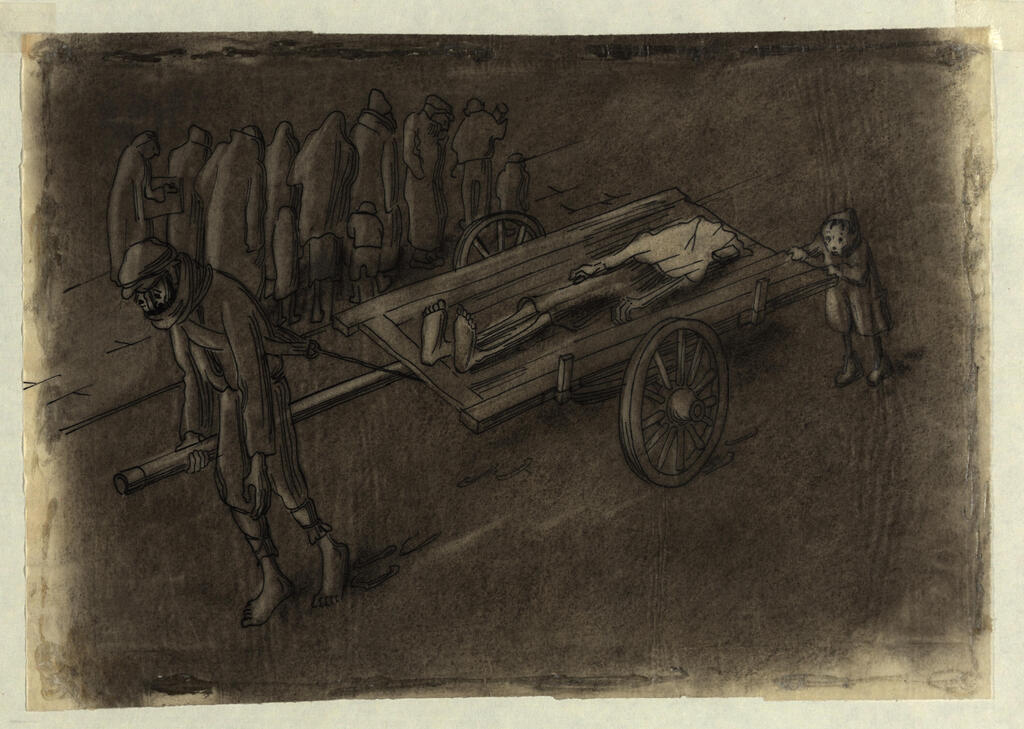
A drawing from the Oyneg Shabes Archive depicts the harsh realities of life and death inside the Warsaw Ghetto during the Holocaust
(Photo: Courtesy of the Museum of Jewish Heritage – A Living Memorial to the Holocaust)
"As the last generation of Holocaust survivors and firsthand witnesses diminishes, exhibitions like Will These Words Reach You? demonstrate the essential role museums play in preserving authentic historical evidence for future generations," the museum said in a statement.
Museum President and CEO Jack Kliger called the archive one of the most extraordinary acts of historical preservation during the Holocaust.
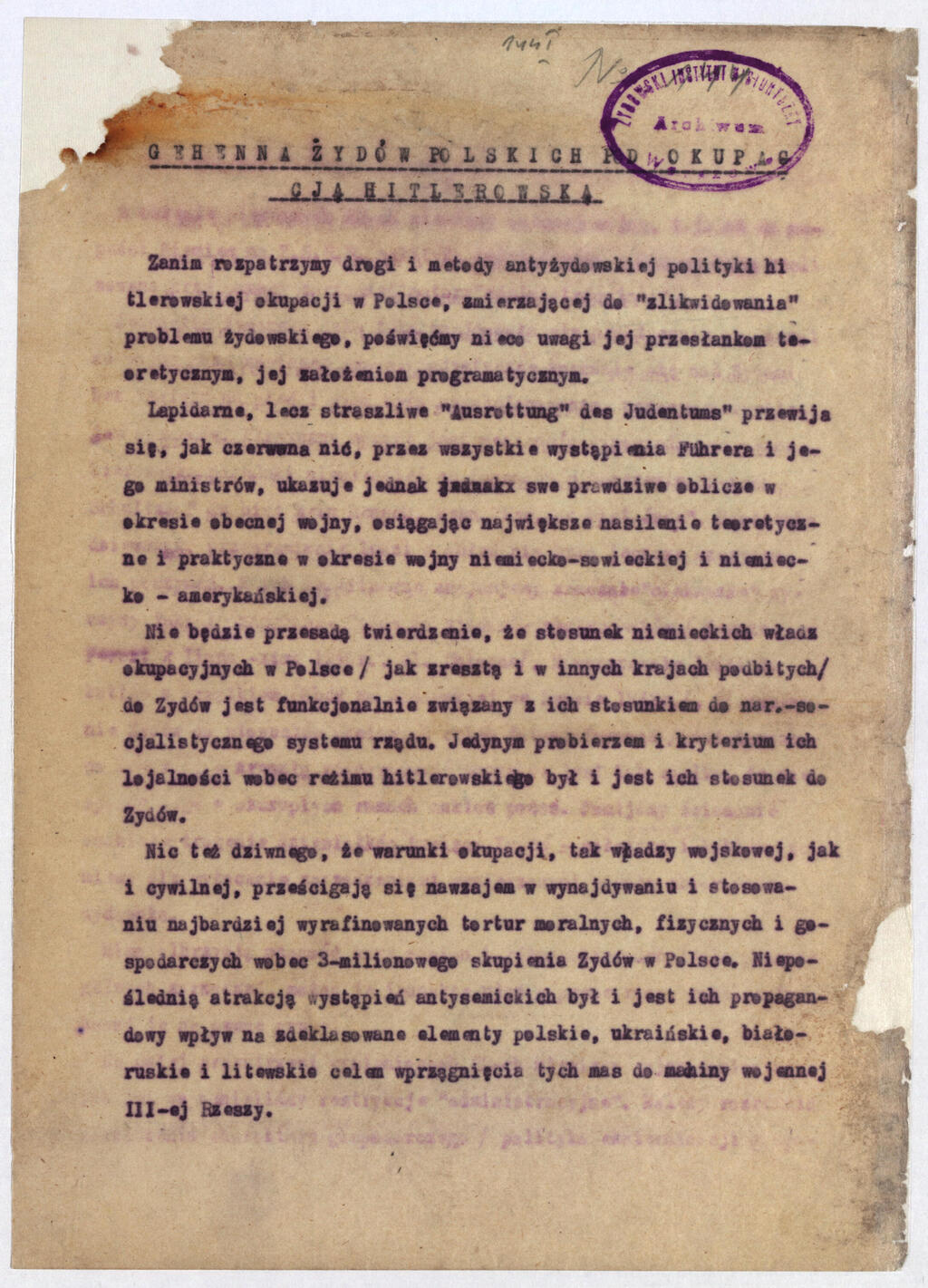
A report documenting Nazi anti-Jewish policies in occupied Poland, preserved in the Oyneg Shabes Archive assembled by Jewish scholars, journalists and community leaders inside the Warsaw Ghetto
(Photo: Courtesy of the Museum of Jewish Heritage – A Living Memorial to the Holocaust)
"Eighty years after the Oyneg Shabes Archive was recovered, we are honored to bring this extraordinary exhibition to New York and tell the heroic story of the Warsaw Ghetto Jews who had the foresight, resourcefulness and courage to document history even as they were living through it," Kliger said.
The archive was organized by historian Dr. Emanuel Ringelblum, who assembled the clandestine Oyneg Shabes group, bringing together scholars, journalists, educators, artists and community leaders to document daily life inside the Warsaw Ghetto as Nazi persecution intensified.
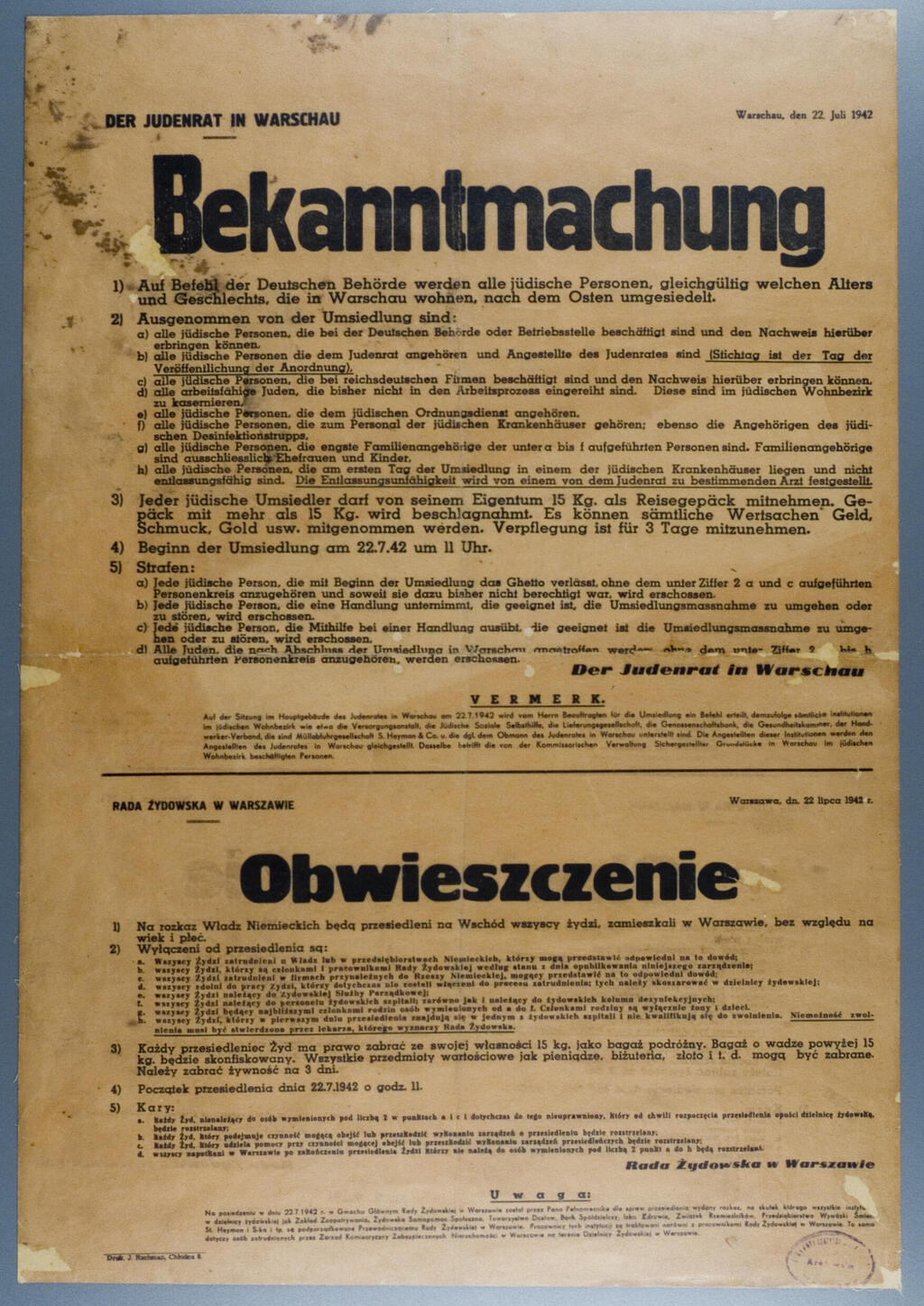
A July 22, 1942, German deportation order issued in the Warsaw Ghetto, announcing the forced 'resettlement' of Jews to the east
(Photo: Courtesy of the Museum of Jewish Heritage – A Living Memorial to the Holocaust)
As mass deportations to extermination camps accelerated in 1942 and members of the group realized they were unlikely to survive, they buried the archive in metal milk containers and metal boxes beneath the ghetto in the hope it would one day be recovered.
Only three members of the group survived the Holocaust and later helped locate the hidden archive. The first cache was recovered on Sept. 18, 1946, followed by additional discoveries in subsequent years.
The exhibition is supported in part by the Goldie and David Blanksteen Foundation, the Charina Foundation, the Blanche and Irving Laurie Foundation, Matthew F. and Terry Schwartz Breitenbach, Michael Eberstadt and Nina Beattie, Patti Kenner, and Stacey and Marc Saiontz.