

As Israel’s harvest season draws to a close ahead of winter, hundreds of families spent the High Holiday season working in vineyards and fields, volunteering to help farmers complete the season’s final agricultural work.
The volunteers took part in activities organized by Hiburim B’Haklaut, an organization that seeks to strengthen ties between Israeli society, agriculture and farmers. Participants included Israelis as well as families visiting from abroad and immigrants who have made Israel their home.
Gallery
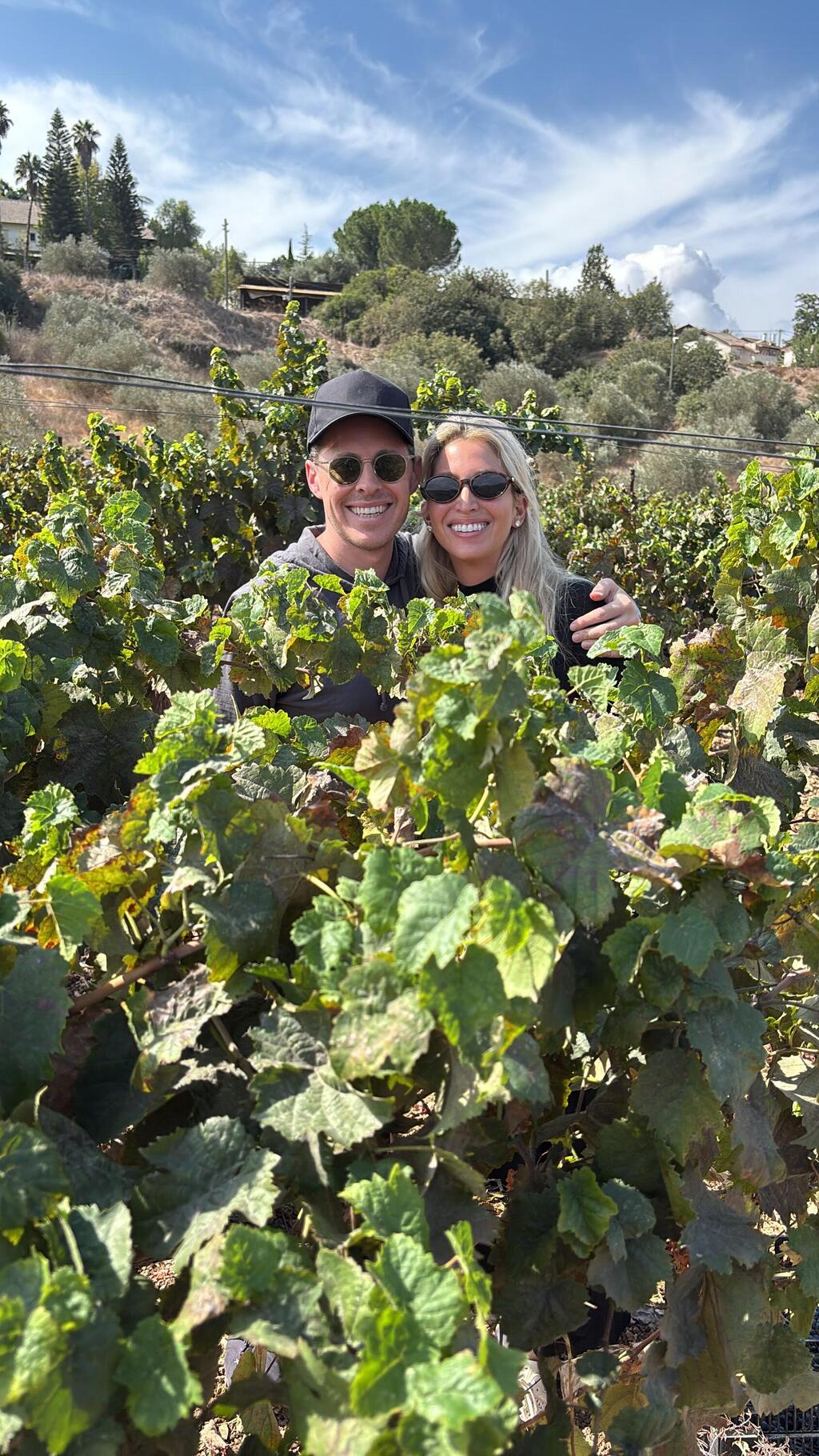
Volunteers take part in the grape harvest as hundreds of families spend the High Holidays helping Israeli farmers
(Photo: Hiburim B’Haklaut)
With the first signs of autumn marking the end of the harvest and the approach of the winter planting season, families, young couples and organized groups volunteered at agricultural sites across the country during the Tishrei holiday period, which includes Rosh Hashanah, Yom Kippur and Sukkot.
Instead of spending their vacation days on more conventional holiday outings, volunteers harvested grapes, pruned vines, sorted fruit and performed other fieldwork aimed at helping farmers bring in crops before the season ended.
Among them was the Shames family from Los Angeles.
“Volunteering with Hiburim B’Haklaut was far more than a day of work in the vineyard,” Matthew Shames said. “It gave us the opportunity to work the land of Israel, help local farmers and create family memories built on mission, connection and love of the homeland.”
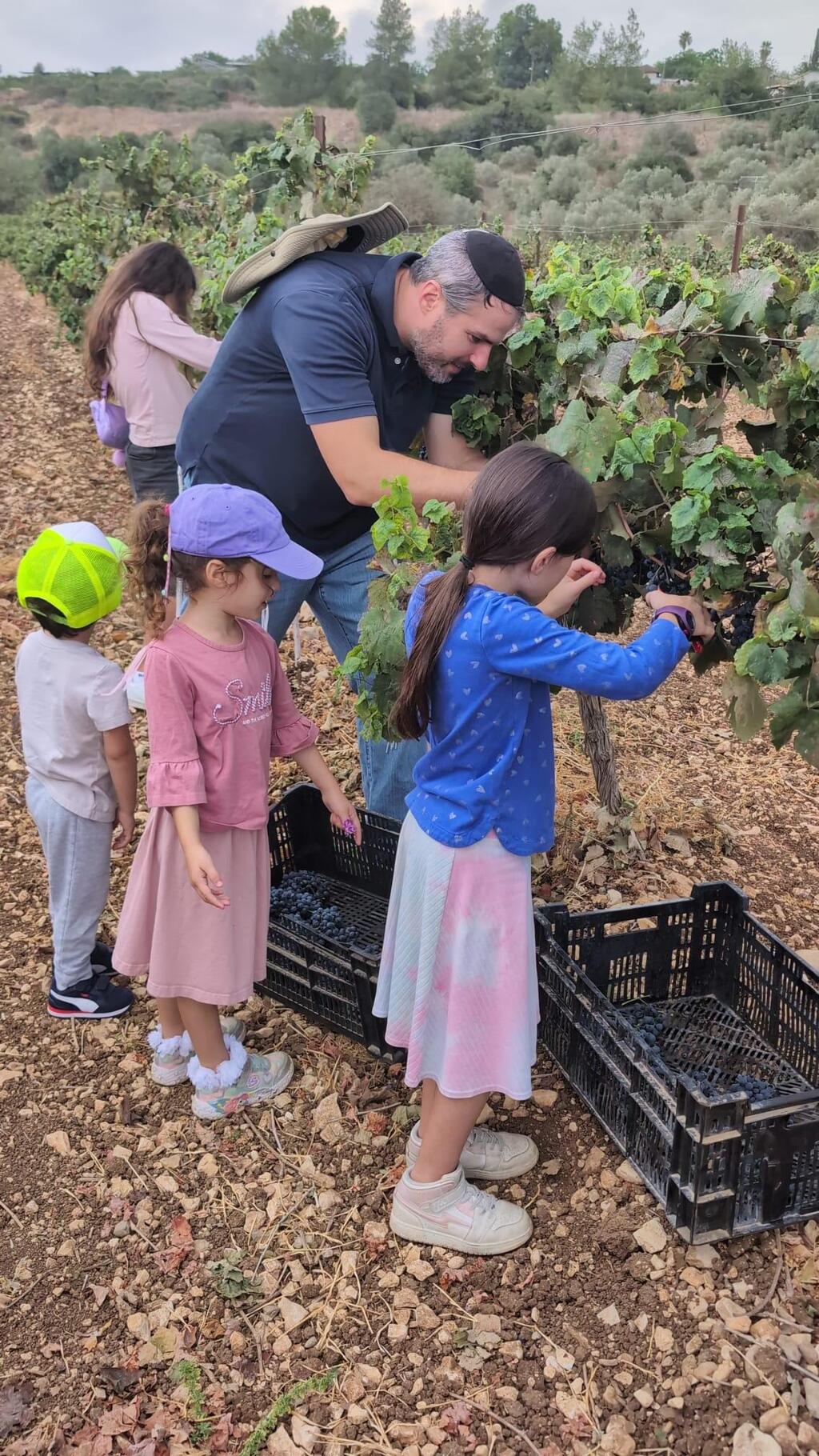
Parents and children harvest grapes together as volunteers help Israeli farmers bring in crops before winter
(Photo: Hiburim B’Haklaut)
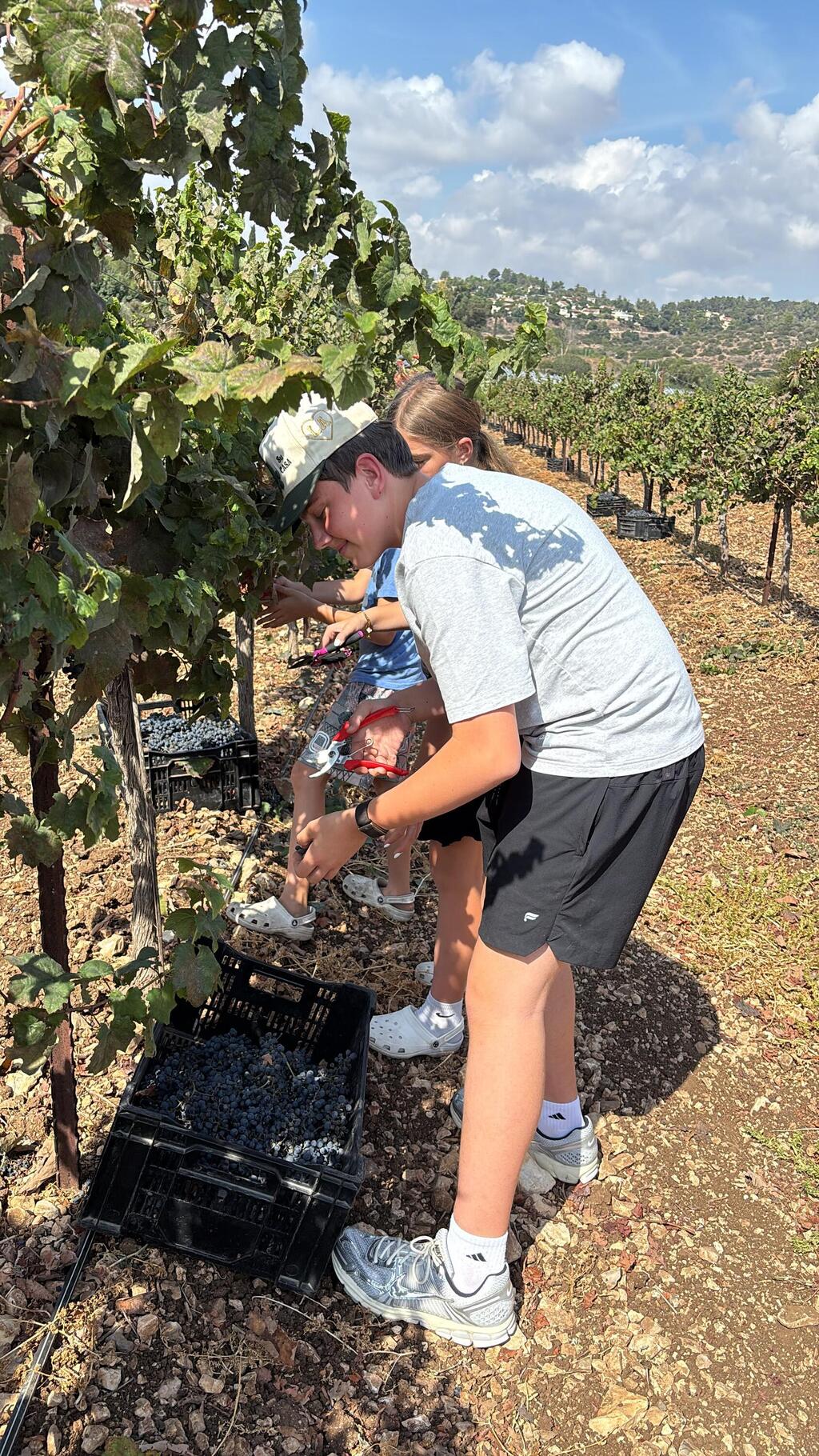
Young volunteers harvest grapes during an initiative bringing families into Israeli vineyards over the holidays
(Photo: Hiburim B’Haklaut)
The Sheldon family, who immigrated to Israel from New Jersey and now live in Harish, a city in northern Israel, also joined the effort.
“This is so good for us,” Shira Sheldon said. “This is how we want to raise our children.”
Eitan, 10, came with his family from central Israel to volunteer at a vineyard near Beit Shemesh, west of Jerusalem. Covered in dirt and holding a cluster of grapes, he said the experience helped him understand how much work farmers put into producing the food that eventually reaches his plate.
Organizers said the initiative was intended not only to provide farmers with needed labor but also to give families a direct connection to Israeli agriculture.
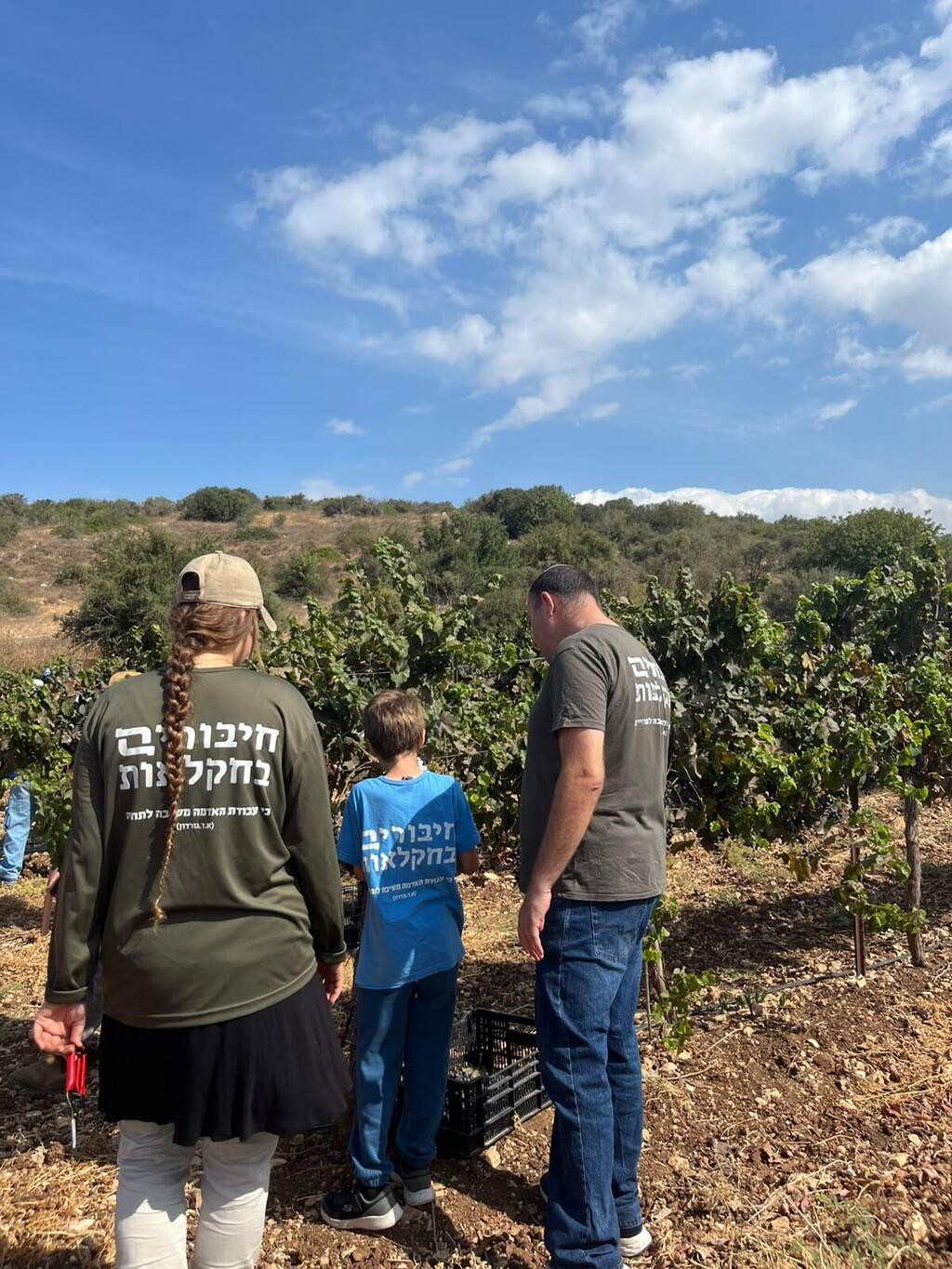
A family volunteers in a vineyard
(Photo: Hiburim B’Haklaut)
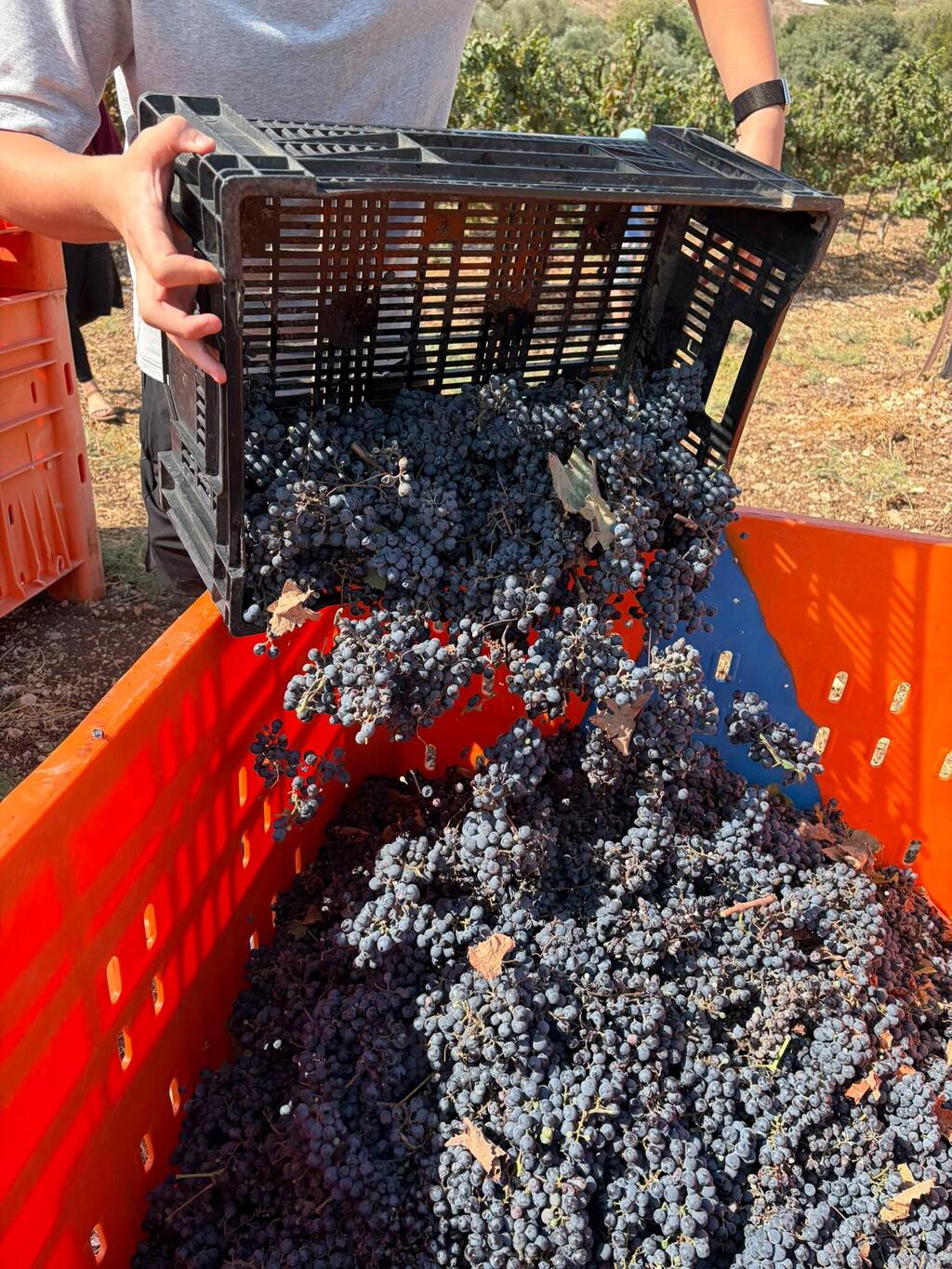
Freshly harvested grapes are collected during a volunteer harvest
(Photo: Hiburim B’Haklaut)
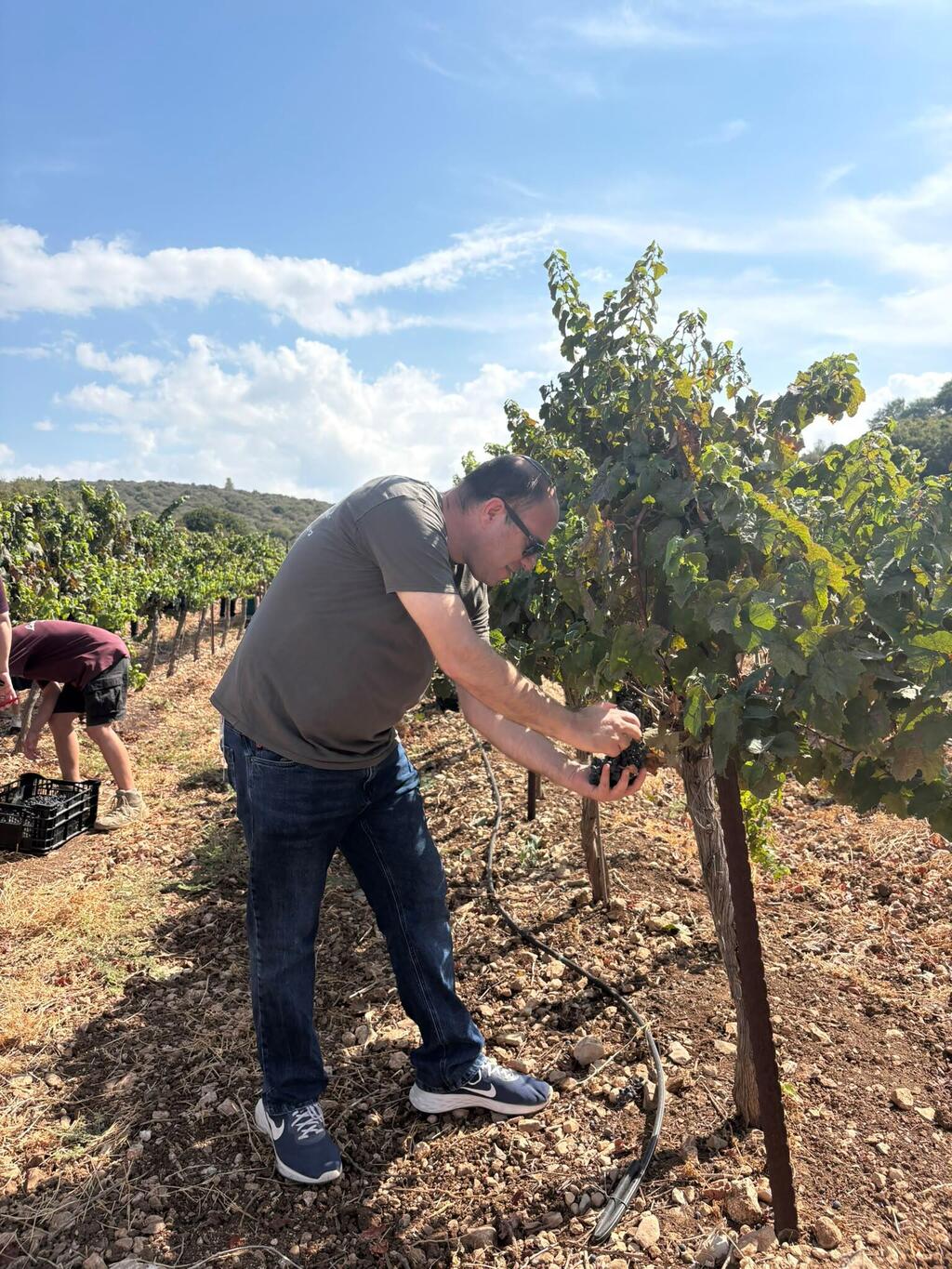
A volunteer harvests grapes, helping Israeli farmers complete the season’s work
(Photo: Hiburim B’Haklaut)
“The moving scenes we saw during the recent holidays, of hundreds of families coming into the furrows and vineyards, are proof that Israeli society thirsts for this genuine connection,” said Barry Rosenberg, CEO of Hiburim B’Haklaut.
“Agricultural work at the end of the season is not merely technical,” he said. “It is a deep mission in which citizens stand beside our farmers, shoulder to shoulder, and close the harvest season with dignity, hard work and a love of the land that connects us all to our roots.”