


In just six months, 13-year-old Shay Viner from Beit Shemesh has become one of the most talked-about young stars in Jewish music. It all began with the song “A Jew of Nachat,” recorded for his bar mitzvah, which racked up hundreds of thousands of views on YouTube within days.
Since then, Viner has released more songs, surpassed 2.5 million YouTube views, and started performing live. He is no longer just “the son of Giti Viner,” a well-known Haredi social media influencer, but an emerging artist in his own right.
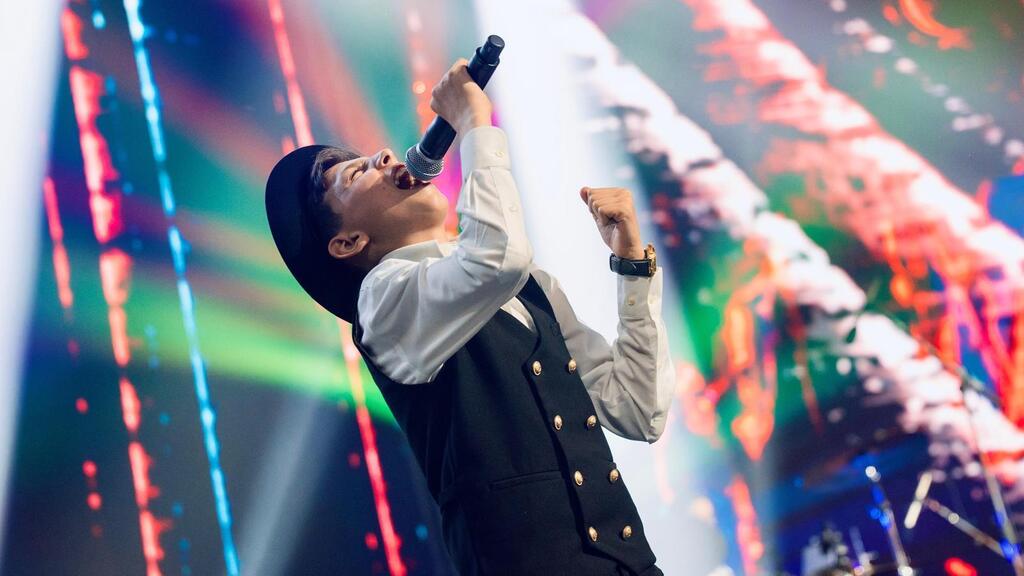
At 13, it is too early to talk about a long career, but Shay is sure about one thing: “I always want to bring people closer together. To strengthen them, to make them connect with each other. That’s what I want to do when I grow up.”
Recently, he released a new music video for “Mehila” (Forgiveness), a duet with singer Daniel Hen. It’s a renewed version of a song originally performed by Avishai Eshel, with lyrics by Rami Lev. “I want to heal the heart and the mouth, so that we’ll go back to being brothers who fight and make up,” Viner sings — a release that came during the Jewish month of mercy and forgiveness.
From mockery to support
Until last year, Shay was just another student at a Haredi Talmud Torah. But after stepping on stage to sing “A Jew of Nachat,” he and his parents realized this was more than a fleeting moment.
“Music has always been part of me,” he says. “I sang all the time without even thinking about it. Only when I recorded the bar mitzvah song and saw how much it moved people did we realize I had a real ability to touch people through music.”
His parents, Giti and Avi (35 and 37), are deeply involved — from writing and composing to producing high-end music videos. “My parents are my backbone,” he says. “They always push and support me. I understand that to really succeed, you need to use all the platforms — create special melodies, write songs in the language of our generation, and invest in the best quality clips.”

(Photo: Meir Zalzanik)
Balancing school with music, he insists, is possible. “I keep up with my studies, even beyond the usual, because I want to prove you can do both. My amazing grandfather studies with me every afternoon, which strengthens my dedication. Even after performing at Binyanei Ha’uma, I woke up for prayers and classes as usual.”
Teachers and rabbis are supportive, he says. “They encourage me and don’t treat me like a ‘star,’ just as a regular student. That gives me the strength to keep learning.”
But not everything went smoothly. When his song “Yesh Li Melech” (I have a King) broke out, some classmates didn’t know how to react. “They didn’t really support me. They even sang it around me in a mocking way,” he admits. “But my parents backed me, and I decided to stay true to myself. Today, those same friends cheer me on.”
Hurtful comments persist, though. “People insulted me, said I was arrogant or a snob. Others said, ‘Without your mom you wouldn’t be anywhere.’”
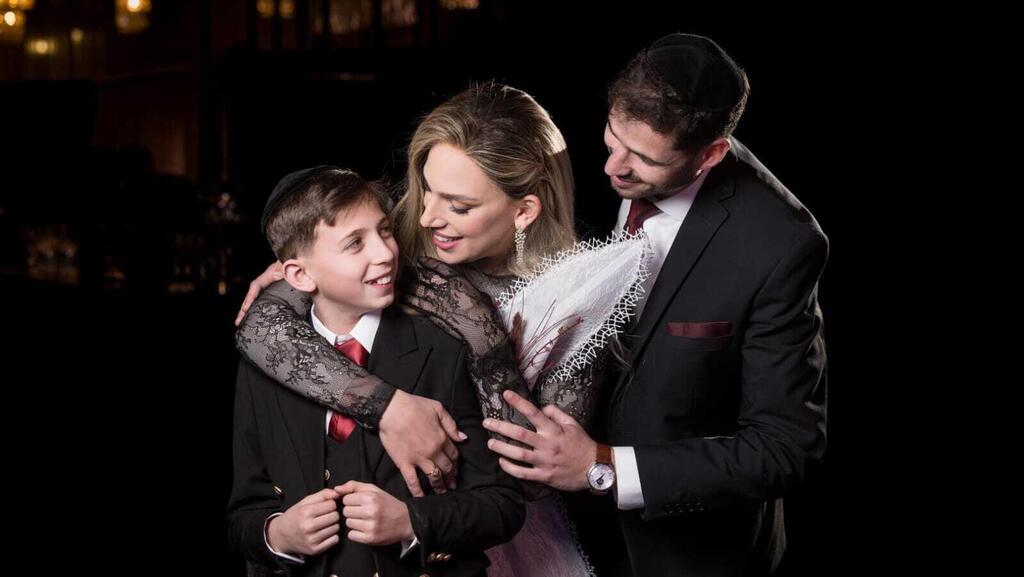
Shay Viner with his parents
(Photo: Mendi Shif)
And what about fan messages? “I don’t even have WhatsApp,” Shay says with a smile. “My dad reads me the reactions, and that gives me the drive to keep going.”
Looking ahead
Is he worried about his voice changing? “No, it doesn’t scare me. I’m here on a mission — to move people with my voice. And even if it changes, I’ll be happy I recorded so many songs and touched people until now. When this mission ends, another one will begin.”
On the sensitive question of Haredi army conscription, he demurs. “You can ask my dad. I’m still too young. My dad served in the police, and my grandfather is a disabled veteran from the Yom Kippur War.”
His mother, Giti, knows the price of exposure online. “Anyone who’s out there gets both love and criticism,” she says. “I usually see it as jealousy or bad character. We act out of a mission to do good for the Jewish people, and we don’t let criticism sink in.”
Still, she admits, there is worry. “At the end of the day, this is a child. Exposure can affect him for years. That’s why we constantly check in with him, making sure he’s doing it from personal desire and not pressure. We keep a close eye on both his studies and friendships. It’s not simple. We pray about it all the time.”
His father, Avi, adds: “Even before the clips came out, people took selfies with him on the bus just because he was Giti’s son. So this isn’t foreign to him. Of course, we’re afraid, but we also see the power in his singing. People write to us that his songs gave them strength in hard moments, that they held on because of his music. That makes us feel this is truly a mission.”
For now, Shay moves between two lives: a Haredi teenager in eighth grade in Beit Shemesh, and a singer with polished songs and videos.
“I just go on stage and give my whole heart,” he says. “Recently, my new song ‘Let Yourself Dream’ came out. That’s what I really love to do — sing.”