


A prayer book carried in the breast pocket of an Israeli medic during the 1948 War of Independence stopped a Jordanian sniper’s bullet and saved his life, his family says. Nearly eight decades later, the battered volume has been donated to the Kfar Etzion archive.
Moshe Kamara was serving as a medic during fighting around the Russian Monastery in Gush Etzion in 1948 when the bullet struck him. It pierced the prayer book’s olivewood cover and became lodged in its final pages.
Gallery
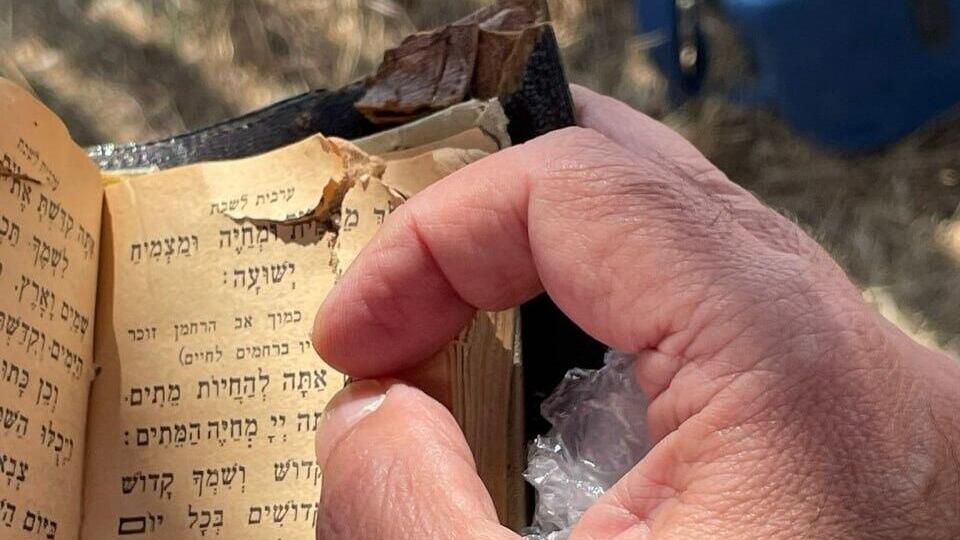
Prayer book that saved Israeli medic from sniper fire in 1948 donated to Gush Etzion archive
(Photo: Michal Mavishash)
Only after the battle did Kamara and his comrades realize what had happened.
This week, his children returned to the site of the fighting and formally deposited the prayer book in the Gush Etzion archive, bringing the object back to the place where its story began.
Kamara, a fighter in Company B of the Mikhmas Battalion, arrived in Gush Etzion in late March 1948. His unit took up positions at the Russian Monastery, a strategic point overlooking the Jerusalem-Hebron road that became the scene of several battles.
His comrade Shmuel Bazak later recalled the moment Kamara was hit.
“Moshe the medic would run with his bag into the heaviest fire,” Bazak said. “One night, when we were rushed out against Legion forces, he filled his pockets with bandages and had no room to carry his tefillin and prayer book, so he shoved the prayer book into the breast pocket of his uniform.”
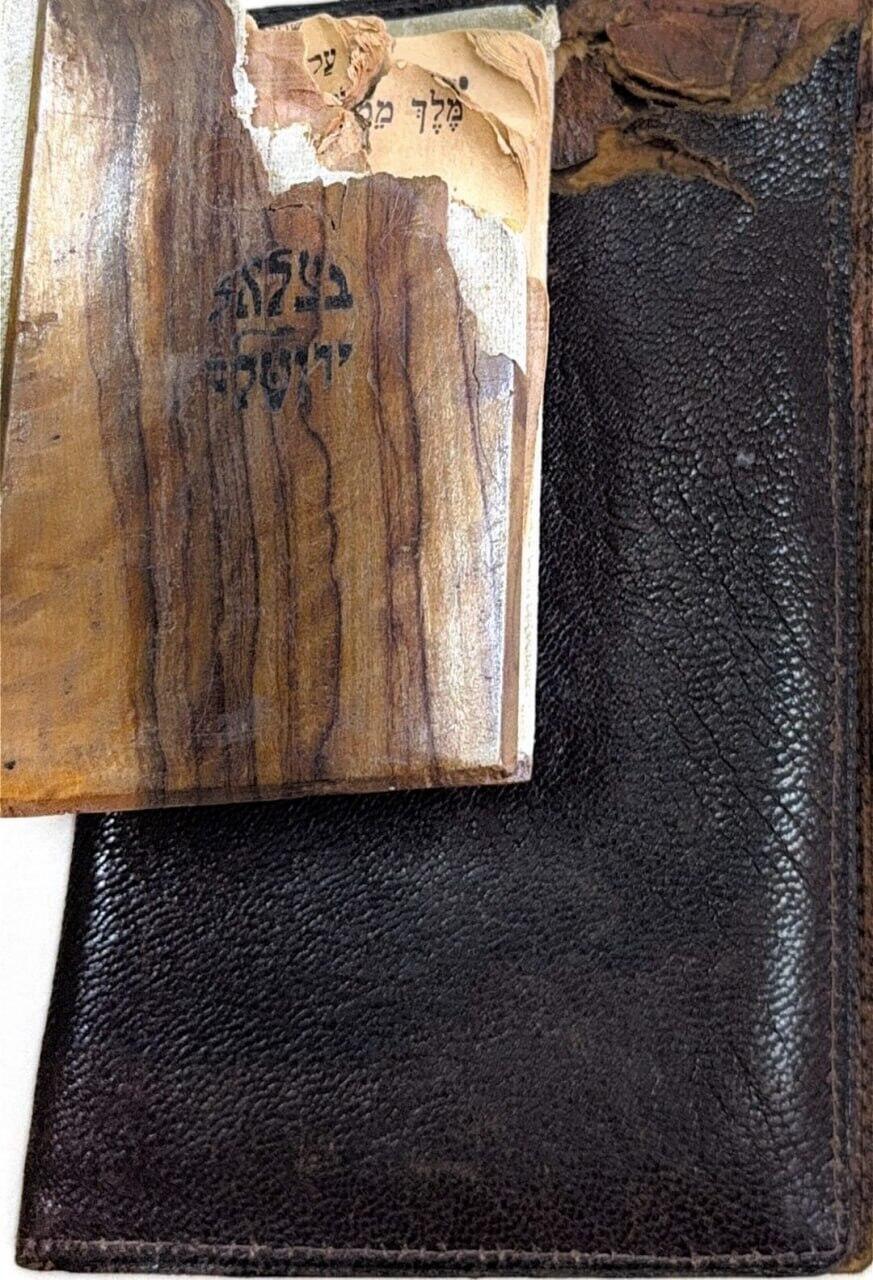
Moshe Kamara’s prayer book
(Photo: Michal Mavishash)
“As we were moving, we saw him take a hit, clutch his chest and fall. We were sure he had been killed, but suddenly he got up and kept running.”
The reason became clear after the fighting.
The bullet had penetrated the wooden cover and stopped in the final pages of the prayer book.
Years later, one of Kamara’s grandchildren told a lecturer about the story. The lecturer asked exactly where in the book the bullet had stopped.
The grandson called his mother, who opened the damaged prayer book to the relevant page.
She discovered that the bullet had stopped beside the Hebrew words “Melech memit umechayeh,” meaning “the King who brings death and gives life.”
The bullet had pierced and almost completely obscured the word “memit,” meaning “brings death.”
Kamara was among the few who survived the final battle at the monastery. Wounded, he was taken into Jordanian captivity.
At one point, a Jordanian soldier took the prayer book from him. Kamara later seized an opportunity to recover it, taking what his family described as a significant risk to get it back.
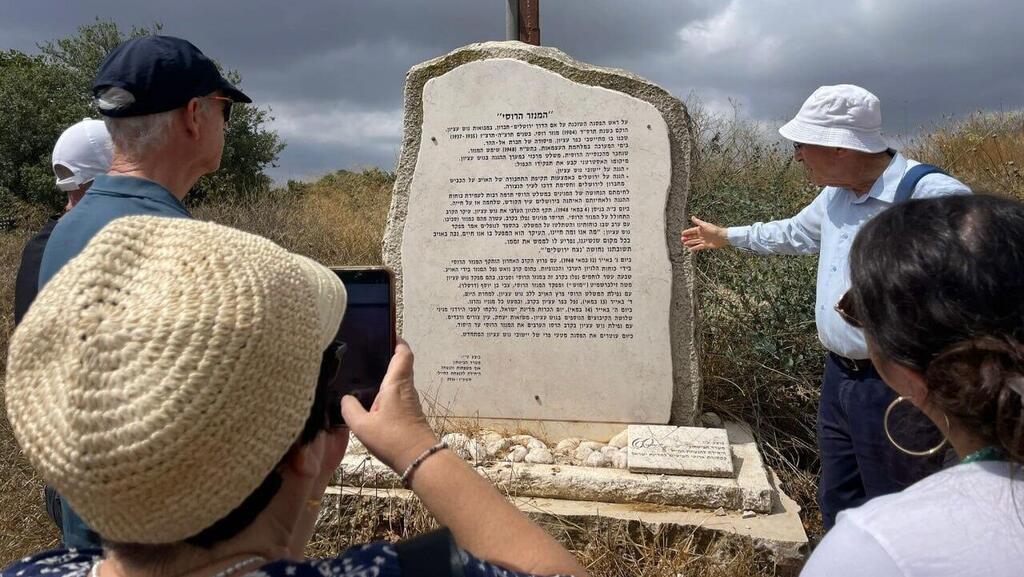
Family members of the late Moshe Kamara at the Russian Monastery site, where the battle took place
(Photo: Kfar Etzion Field School)
He kept the book throughout his captivity and brought it home with him after his release, preserving it as a reminder of what he regarded as the miracle that saved his life.
Kamara died 16 years ago, but the story of the medic and the prayer book remained deeply rooted in his family.
This week, his children toured the Russian Monastery site with Aryeh Rotenberg, a longtime guide at the Kfar Etzion Field School, who reconstructed the course of the battle. Kamara’s son Yair added memories and stories he had heard from his father.
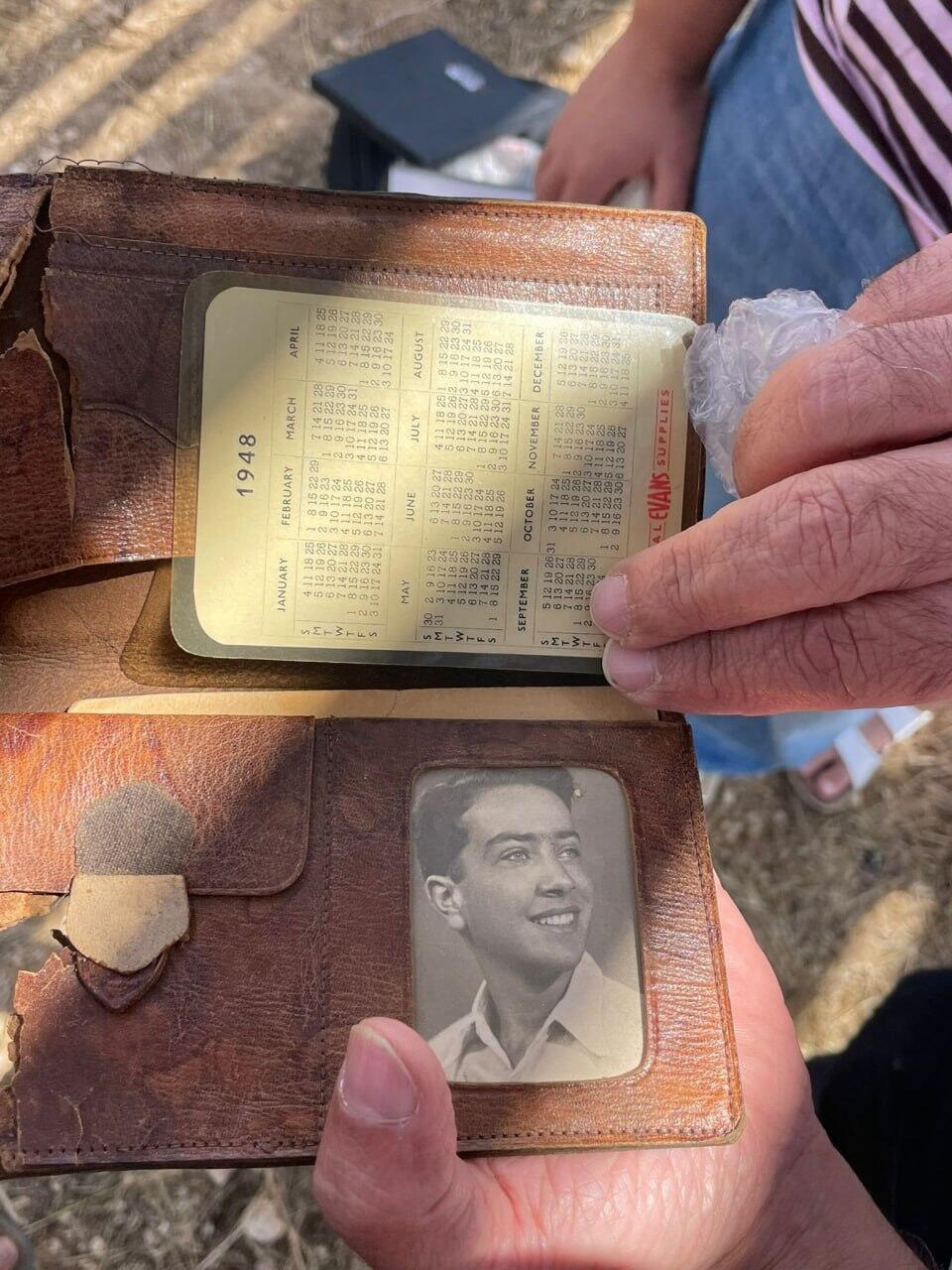
Moshe Kamara’s wallet
(Photo: Kfar Etzion Field School)
The family later visited the Dov Knohl Gush Etzion Archive, where, during a meeting with staff and archive director Dr. Shuki Sharir, they decided to place the prayer book in permanent safekeeping.
“The prayer book is returning to the place where its story is woven,” family members said.
Sharir described the donation as a powerful story of survival connecting life, death and the history of Gush Etzion on the eve of Israel’s establishment.
David Hasson, director-general of the Kfar Etzion Field School, said the prayer book had become more than a family keepsake.
“The story of Moshe Kamara and the prayer book that saved his life is a living testimony to the heroism of Gush Etzion’s defenders in 1948,” he said.
“Depositing the prayer book in the Kfar Etzion archive is not only a moving family gesture, but an addition of historical and spiritual value to the heritage of Gush Etzion, which will now be passed on to future generations.”