

Adriana Turk, 74, from the Australian town of Merimbula, adored her father. “He was the person I loved most,” she told “Newsweek.” “Yet he never spoke about his life before immigrating to Australia, after he was forced to flee Nazi Germany in 1937. Everything I knew came from what my New Zealand-born mother told me.”
As a teenager, Turk first heard the story of her father’s escape. He learned English in just 10 days after discovering that only English speakers had boarded the ship sailing to Australia. His mother, however, was left behind and was among at least 80,000 Jews imprisoned in the Warsaw Ghetto under inhumane conditions before being brutally murdered there.
Gallery
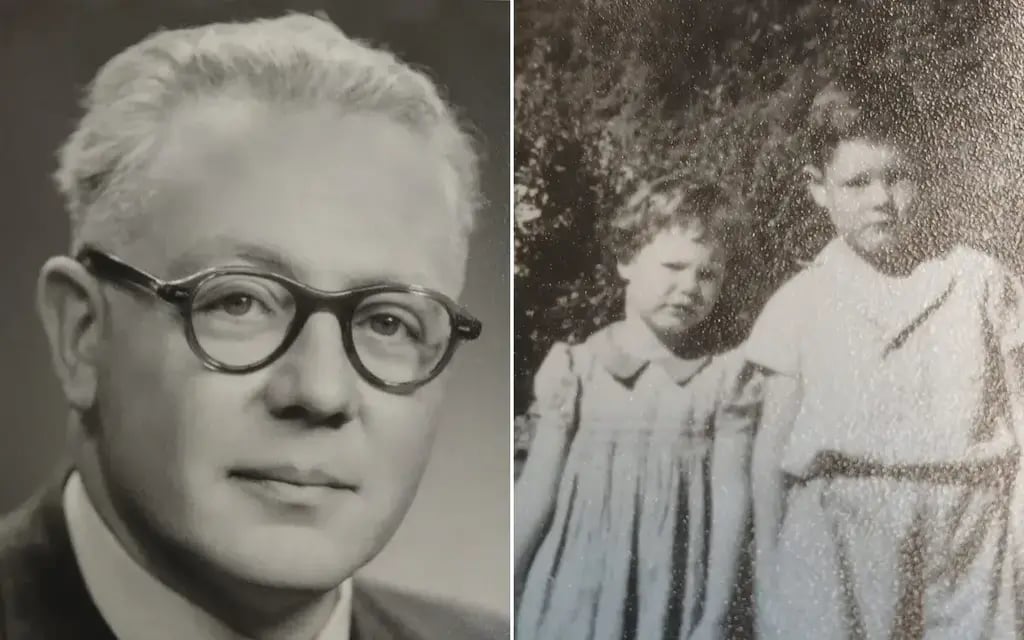
Adriana Turk as a child with her brother, alongside a photograph of her father
(Photo: MyHeritage DNA)
Her father’s sister and brother-in-law were also left behind. They were murdered in the Auschwitz concentration and extermination camp in 1944, along with their two young children. Turk now wonders whether leaving his family behind was what made it so difficult for her father to speak about what he endured.
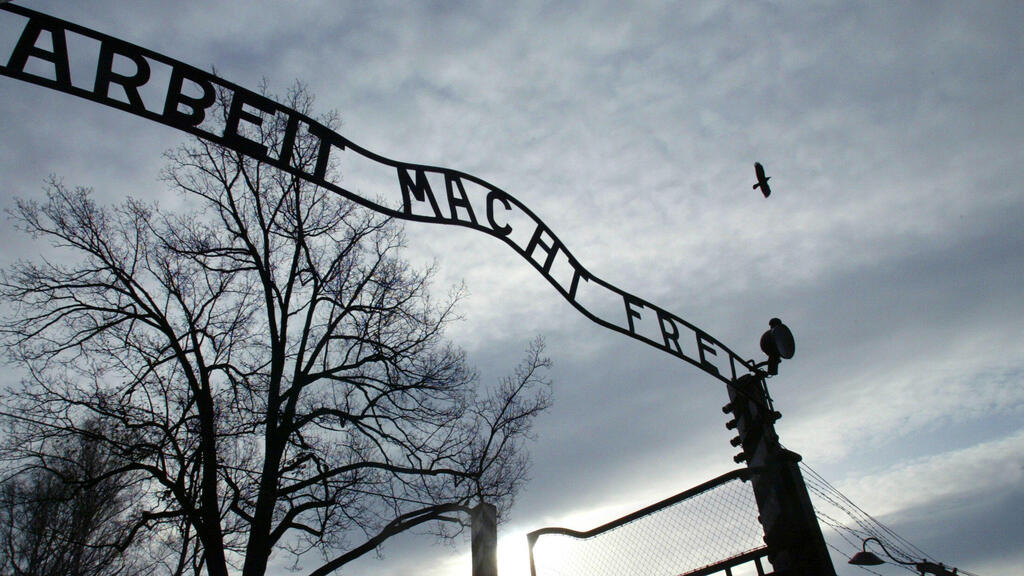
The sign at the entrance to the Auschwitz concentration and extermination camp
(Photo: Katarina Stoltz/Reuters)
Hoping to shed light on her family’s past, Turk took a DNA test through the MyHeritage platform. To her astonishment, she discovered that relatives from her grandmother’s lineage had survived. One of them is Renate Puttmann, who survived the horrors of the Holocaust after being hidden as a teenager by a German soldier who forged her documents at great personal risk. Putman later had eight children. Two other relatives escaped Germany before the war, and their families now live in Brazil and Israel. Thanks to Putman’s survival, Turk has at least 50 living relatives across several countries.
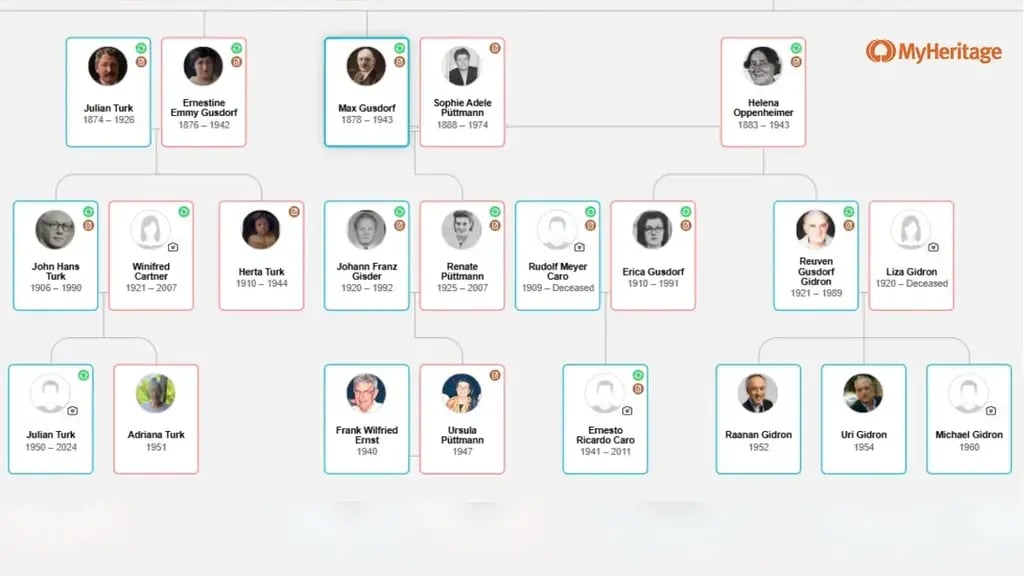
Adriana Turk’s family tree
(Photo: MyHeritage DNA)
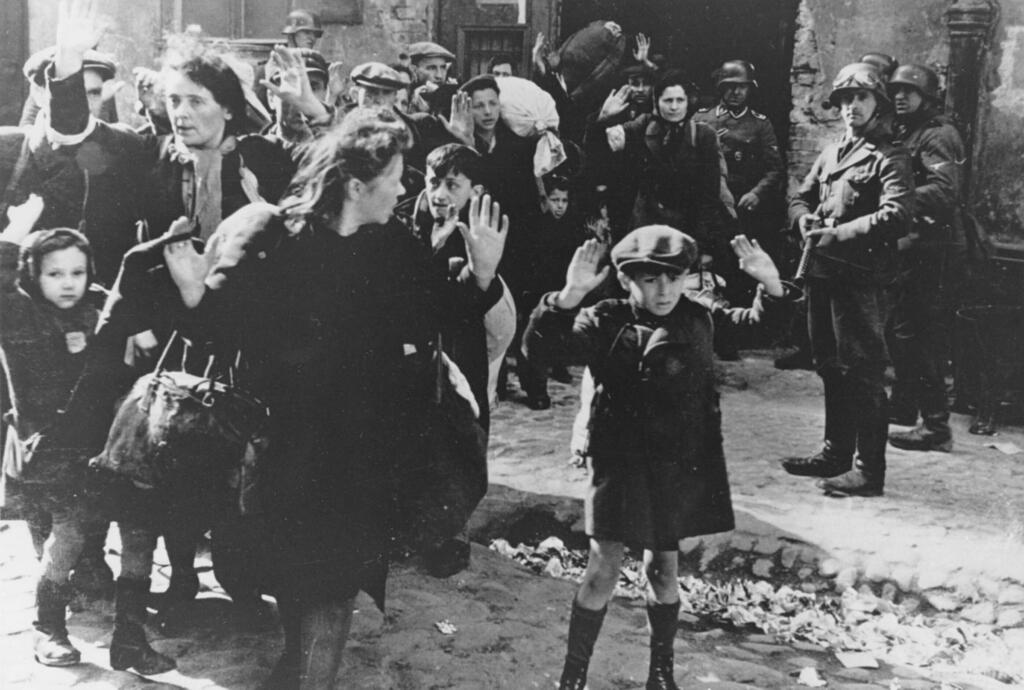
The famous photograph of the child from the Warsaw Ghetto, April 19, 1943
(צילום: AP)
The unexpected discovery transformed Turk’s emotional world, after years in which she also lost her brother. “As a child, I always felt an emptiness,” she said. “There was never a right time to ask my father about his past. What has been revealed to me now made me feel whole. I never had or wanted children, but the beautiful part of finding these treasures is that my cousins married, raised children and lived to see grandchildren.”
Raanan, her third cousin, helped build a broader family tree in close cooperation with Naama Lansky, a researcher at MyHeritage. “We are repeatedly moved to see MyHeritage users uncover life-changing discoveries,” Lansky told “Newsweek.” “Often, it happens at a stage in their lives when they did not expect such events, allowing them to close circles and fill significant gaps in their identity.”
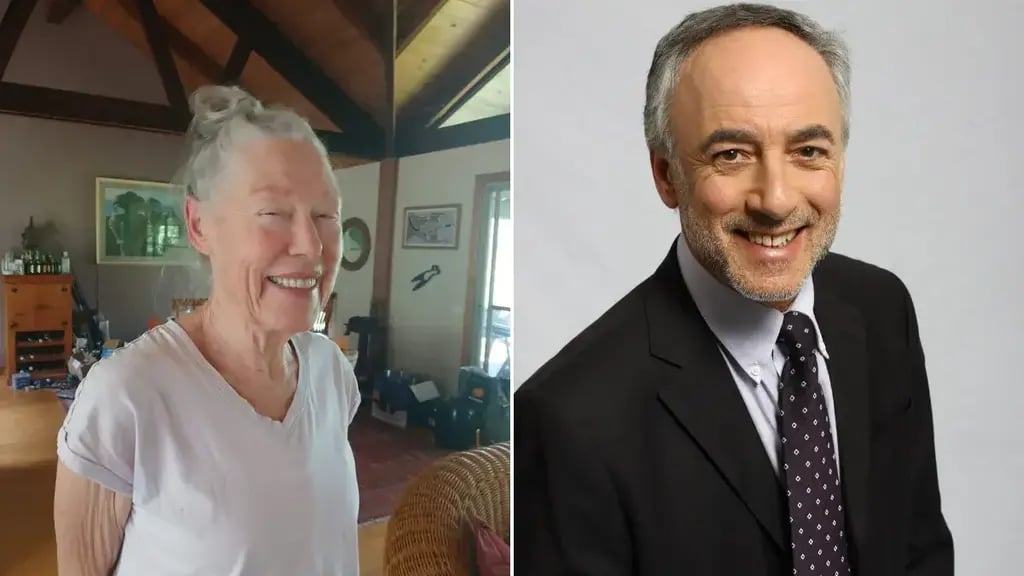
Adriana Turk today, alongside a photograph of her third cousin, Raanan
(Photo: MyHeritage DNA)
So far, Turk has spoken with her cousins only through video calls, but those interactions have had a profound impact. She is already planning to visit Arne, her German cousin, later this year to learn more about her family’s past and future. “I call Arne my ‘sunshine,’ because my life was dark, but now it is lit every day,” Turk said.