


A new protocol has been distributed to judges and staff in Israel’s rabbinical courts, aimed at sensitively regulating how testimony is taken from survivors of sexual assault or domestic violence. The move follows years in which no uniform policy was in place under the authority of the court president.
In a letter to judges and court employees, Chief Rabbi David Yosef, who serves as president of the Supreme Rabbinical Court, wrote: “At times, family members appear to participate in proceedings while indictments are pending against one spouse for physical or sexual harm to another family member who is taking part in the process as a litigant or witness. The rabbinical court system is aware of the emotional difficulty involved in a victim’s participation in proceedings in which they must describe the harm they experienced or be in the presence of the offender.”
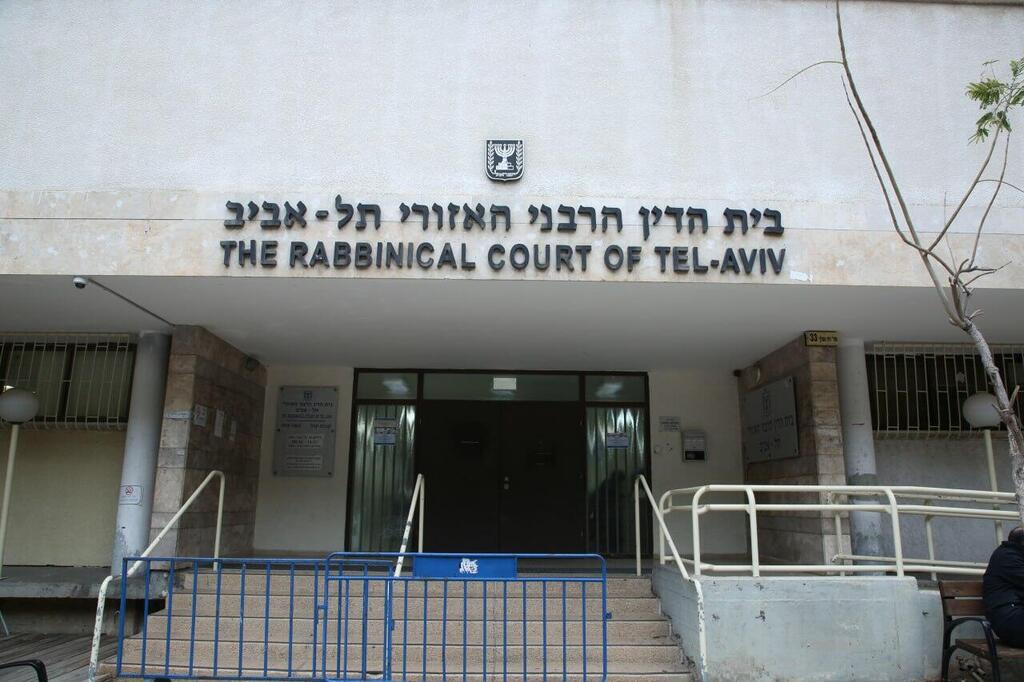
Regarding the procedure itself, Yosef wrote that to ensure the protection of victims at the court, the chief clerk or a designated representative will be appointed as a point of contact for crime victims. The liaison’s duties will include assigning a separate waiting room for the victim before testimony and coordinating security escort from the moment of arrival until safe departure.
The protocol states that, whenever possible, the victim will testify first on the scheduled day, provide continuous testimony without breaks and conclude testimony on the same day. Testimony will be heard in a large courtroom to ensure complete separation between the victim and the defendant or the defendant’s representatives.
In cases requiring the arrangement of a religious divorce between a victim and the accused, the court will act, in accordance with all requirements of Jewish law, in a manner that minimizes direct contact between the parties as much as possible.
The guidelines were formulated following advocacy efforts by several organizations, including the International Coalition for Agunah Rights (ICAR), the Association of Rape Crisis Centers in Israel and Knesset member Pnina Tamano-Shata.

Chief Rabbi David Yosef
(Photo: Mendi Tuito)
Orit Sulitzeanu, CEO of the Association of Rape Crisis Centers, said: “We welcome the protocol issued by the president of the Supreme Rabbinical Court, Rabbi David Yosef, following an appeal by the Association of Rape Crisis Centers and the Matirot organization, which focuses on the treatment of crime victims appearing in rabbinical courts.
This is an extremely important protocol for every crime victim, and it should be welcomed, both for its issuance and for the court’s recognition of the difficulty victims face when appearing before it. The protocol includes many significant aspects related to the giving of testimony, and it is of utmost importance that they are fully implemented.”
Attorney Ella Skaat, CEO of the Matirot organization, said on behalf of ICAR: “We are pleased and welcome the new protocol issued by the rabbinical courts administration regarding the testimony of victims of violent offenses. We hope it will bring at least some relief to the immense hardship experienced by victims during legal proceedings.
"There is still a long way to go in the rabbinical courts, and it would be appropriate to ensure female representation on the bench in relevant cases, as well as a commitment to required training for judges, as currently exists in the civil courts. Nevertheless, this is a welcome step in the right direction that is expected to provide much-needed relief where it is most required.”
Officials in the rabbinical courts said they hope the new protocol will enable survivors of sexual assault to navigate legal proceedings in a calmer manner and without fear of the other party.