

We live in a world where people carry grudges like heavy backpacks. A harsh word from a colleague, a betrayal by a friend, even a small misunderstanding at home. These things weigh us down more than we realize. We replay them in our minds, sometimes for years, and the burden quietly shapes our choices.
As the High Holidays approach, Jewish tradition offers us a powerful practice to lighten the load: Selichot. These early morning prayers, said in the days leading up to Rosh Hashanah and Yom Kippur, focus on seeking forgiveness from G-d. They also carry a deeper lesson for our relationships and for our lives.

Selichot services at the Western Wall on the eve of Rosh Hashanah at the Western Wall
( Photo: The Western Wall Heritage Foundation)
At the center of Selichot are the Thirteen Attributes of Mercy: under the categories of patience, compassion and kindness. They are not only divine qualities. They are human traits we are called to develop. The point is not only to ask for forgiveness, but to learn how to forgive.
And here is the truth. Forgiveness is freedom.
When you forgive, you release yourself from the grip of anger and pain. You stop letting the past control your present. Forgiveness does not mean forgetting or excusing. It means choosing growth over resentment.
This is the mindset of Selichot. It shifts us from guilt to growth, from blame to responsibility, from bitterness to freedom.
So how can we take this ancient practice and make it real in our modern lives? Here are three ways to begin:
1. Forgive yourself first
Many of us are harsher on ourselves than on anyone else. Take 10 minutes to reflect. What mistake or failure are you still punishing yourself for? Write it down, acknowledge it, and then let it go. Self-forgiveness creates the space to move forward.
2. Reach out before the holidays
Is there someone you need to call? A message you have put off for months? Do not wait until it is too late. A simple “I’m sorry” or “I forgive you” can change two lives at once.
3. Practice daily compassion
Forgiveness is not only about the big conflicts. Start with the small annoyances: the driver who cut you off, the coworker who snapped at you. Train yourself to let go quickly. This builds the muscle of compassion.
Selichot is not only about words whispered in a synagogue before dawn. It is about rewiring how we see ourselves and others. It is about reclaiming the freedom that comes when we stop carrying grudges.
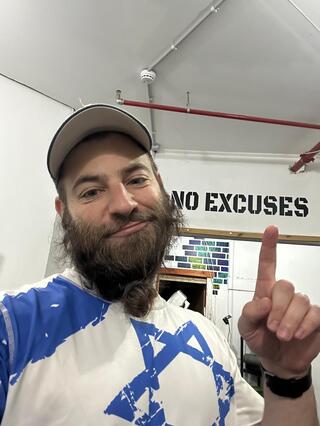 Nachman (Nathan) Hoffman Photo: Courtesy
If the new year is about beginnings, then forgiveness is the key that unlocks them. During Elul, and throughout the season of Slichot, the choice is ours: stay stuck in old stories, or step into a new one.
Choose freedom. Choose growth. And remember: the only way is up.
Nachman (Nathan) Hoffman is a leadership coach, entrepreneur and former CEO. With over 20 years of experience in business and personal development, he helps individuals and organizations align vision, growth and values.