

Ahead of the Shavuot holiday, the State Conversion Authority in the Prime Minister’s Office this week held a national conference for conversion candidates in Jerusalem’s Old City under the banner “One Eternal People.” About 1,000 conversion candidates from across Israel, at various stages of the conversion process, attended the gathering, which aimed to connect participants and strengthen them ahead of the next stage of their journey.
One of the participants was Staff Sgt. K., a 20-year-old combat soldier in the Panther Battalion of the Judea and Samaria Division. She grew up in Beersheba to parents who immigrated to Israel from Peru. Her family recited Kiddush every Friday night, observed Jewish holidays and maintained a deep connection to Jewish tradition and identity.
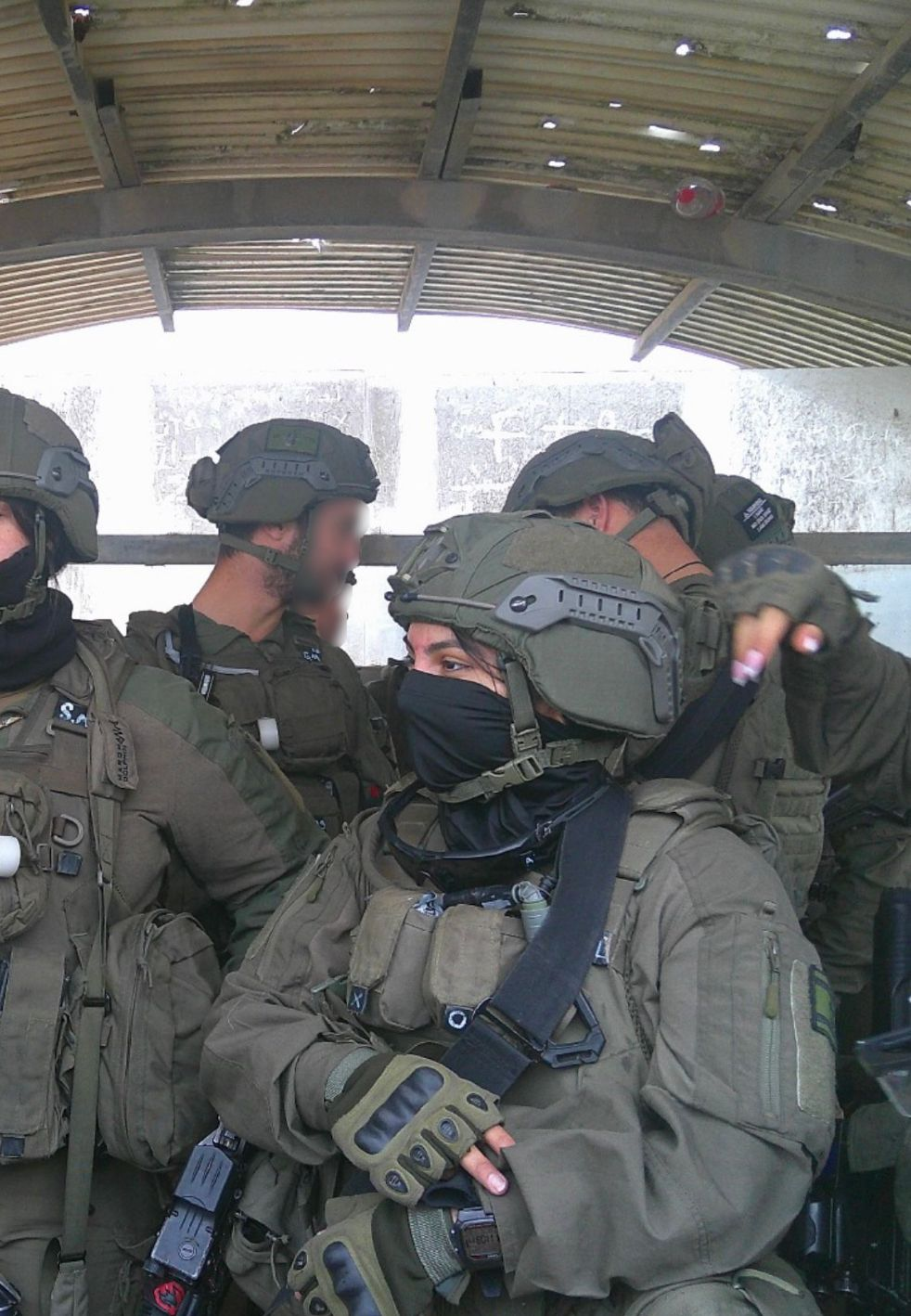
“I grew up my entire life believing I was Jewish,” she said. “My great-grandfather escaped the Holocaust and arrived in South America, where he rebuilt his life. My grandfather promised him he would fulfill his wish and immigrate to Israel.”
According to her, the family home in Peru was regularly open to Israelis traveling after their military service.
“They would come to our home, speak Hebrew with us and connect to Judaism and Israeli culture. We talked about it all the time. Those were the values I grew up with,” she said.
Even before enlisting in the military, she said, the IDF offered her the opportunity to join a conversion track, but she assumed it was a mistake.
“I told them there was no way. I had lived my whole life as a Jewish person, so I thought it was obviously an error,” she said. About six months ago, during a conversation with her cousin, she discovered for the first time that according to Jewish law she was not considered Jewish.
“It was frustrating and deeply unsettling,” she said. “I spent my whole life going to synagogue and living a Jewish life, and suddenly I understood that according to halacha, I apparently wasn’t Jewish.”
Despite the shock, she said she refused to give up her sense of belonging and connection to Judaism. She is currently undergoing conversion through Nativ, the military conversion program that operates under the State Conversion Authority in the Prime Minister’s Office.
“I decided that this discovery would not stop me from being Jewish. It was very important for me to stay close to Judaism,” she said. “I’m waiting to appear before the rabbinical court and complete the process successfully.”
As part of the course, she studies Torah, Jewish law and prayers from morning until evening. She said her mother supports her decision and is also planning to undergo conversion herself. At the same time, she faces difficult moments with fellow soldiers.
“My friends, who know me as a very religious person, discover that I’m not Jewish, and there’s something very unsettling about that, especially in the middle of military service as a combat soldier,” she said.
Still, she said her sense of identity remains clear and stable.
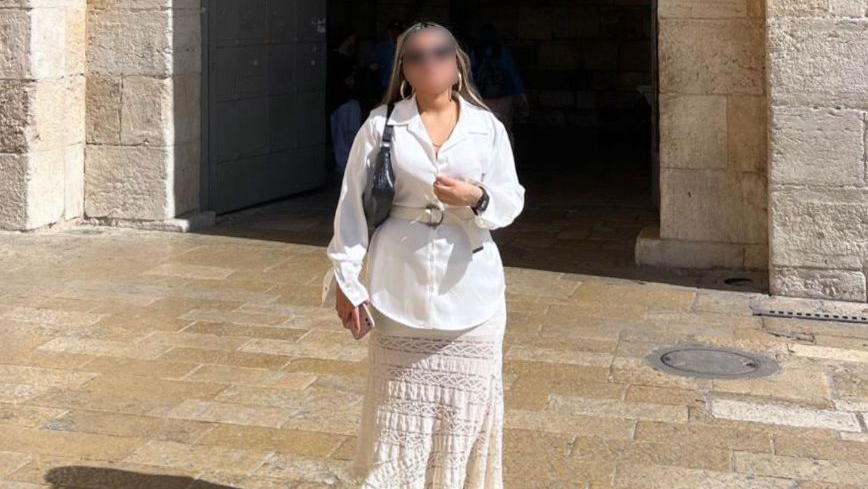
“Not for a single moment did I feel that I wasn’t part of the Jewish people,” she said. “That is the awareness with which I serve as a combat soldier and do everything for my country. In difficult moments, faith meets me very strongly, and that’s why I deeply believe in what I’m doing.”
Rise in number of converts
Before the main event, participants toured the Old City and visited the Western Wall. They later gathered at the Davidson Center for a ceremony attended by Sephardic Chief Rabbi David Yosef, Western Wall Rabbi Shmuel Rabinovitch, State Conversion Authority head Rabbi Yehuda Amichai and others.
The participants represented a broad cross-section of Israeli society: soldiers and civilians, new immigrants and longtime residents, young and old, and residents of Israel’s north, south, center and peripheral communities.
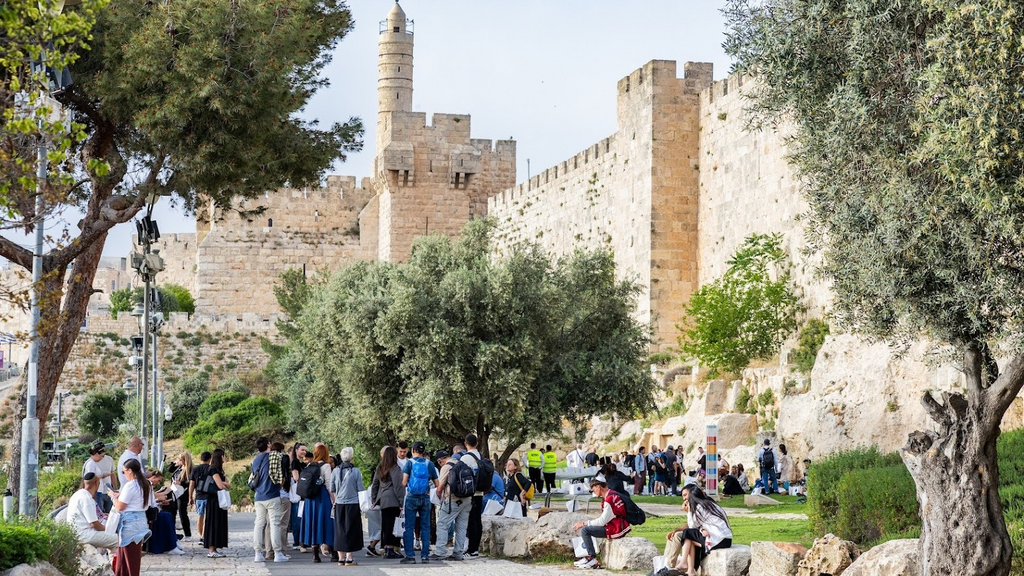
Jerusalem
(Photo: Haim Twito)
Prime Minister Benjamin Netanyahu praised the work of the authority, calling state conversion “a tremendous national mission.”
“It touches the heart of our identity and the future of the State of Israel as a Jewish state,” Netanyahu said.
He linked the event to Shavuot and the biblical Book of Ruth, saying Ruth, who willingly chose Judaism and told Naomi, “Your people shall be my people, and your God my God”, symbolizes the choice to join the Jewish people.
According to Netanyahu, those entering the conversion process today come from “every part of the mosaic of Israeli society.” He said the conversion authority would continue accompanying those seeking “to come under the wings of the Jewish people, the eternal people.”
Rabbi Yehuda Amichai, head of the State Conversion Authority, also addressed the broader significance of conversion.
“Love of the convert is not only concern for the convert themselves, but also the right and obligation of the Jewish people toward their future and identity,” he said.
According to Amichai, the story of Ruth the convert, from whom the Davidic monarchy emerged, teaches that conversion is deeply woven into the continuity of the Jewish people.
Data presented by the authority indicate a rise in the number of conversions in recent years, particularly since the outbreak of the Israel-Hamas war. In 2022, 1,087 people completed the conversion process. In 2023, when the war began at the end of the year, the number rose to 1,446. In 2024, 1,421 people completed conversion, and in 2025 the figure increased to 1,535.
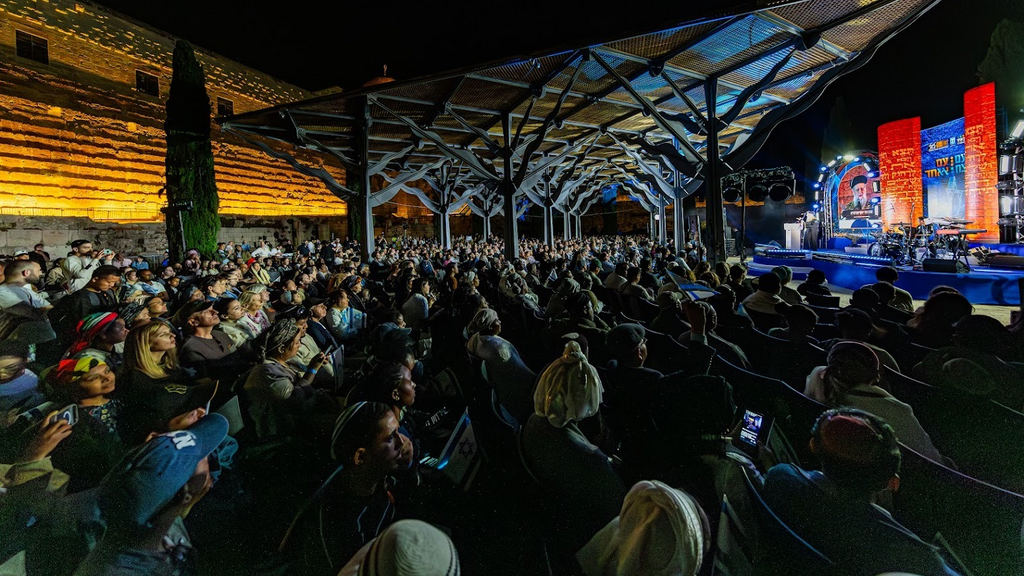
Conversion conference held ahead of Shavuot
(Photo: Haim Twito)
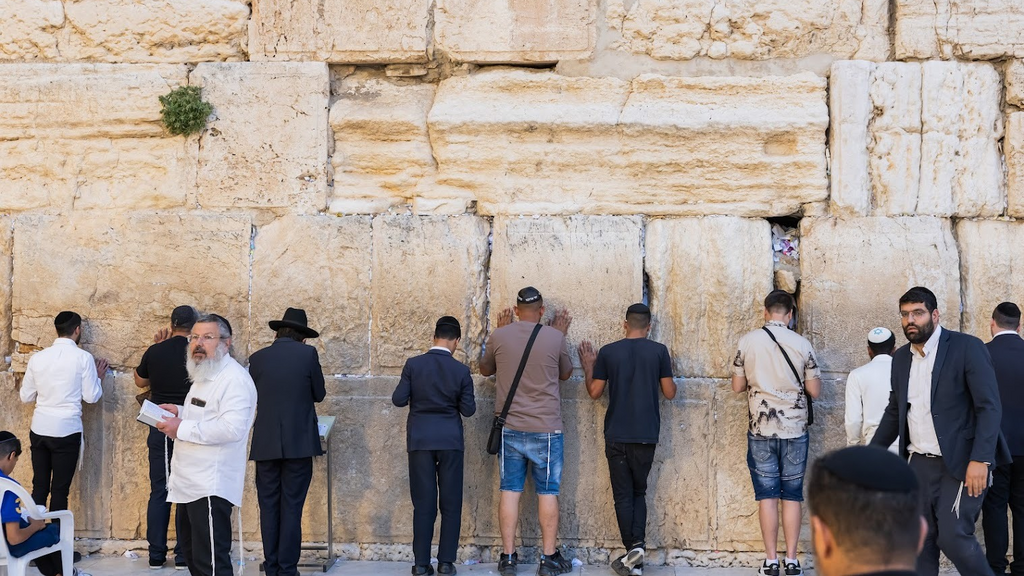
The Western Wall
(Photo: Haim Twito)
Officials said the increase also reflects a growing search for identity and a deeper connection to the Jewish people and the State of Israel, especially among soldiers, new immigrants and members of mixed families who have lived in Israel for many years and see themselves as an integral part of Israeli society.
Alongside the increase in conversion candidates, a broad network of classes and training programs now operates nationwide.
In 2026, 229 conversion classes operated across the country, with 134 currently active, not including classes in absorption centers for Ethiopian immigrants and members of the Bnei Menashe community.
The classes are divided into five regions: north, center, Jerusalem, south and a separate track for Bnei Menashe candidates. There are 29 classes in the south, 35 in Jerusalem, 36 in the center and 34 in the north.
In addition, 14 classes for Bnei Menashe candidates operate in Nof Hagalil and Kiryat Yam, along with 43 classes for Ethiopian immigrants in absorption centers in northern and southern Israel. Officials said instructors remain alongside conversion candidates throughout the process.
Alongside the civilian tracks, the military conversion program Nativ is also operating, with 852 soldiers currently participating at various stages: 467 in the introductory stage, 173 in Seminar A, 172 in Seminar B and 40 career soldiers in a separate track.
Classes are taught in multiple languages, including Hebrew, Russian, English, Spanish, French, Portuguese and Amharic, as well as additional languages for the Bnei Menashe community and Israeli Sign Language. Officials said cultural and linguistic adaptation is a central component in making the process accessible to candidates from diverse backgrounds.
Currently, 5,910 students are studying within the conversion authority framework, including 5,160 in civilian preparatory tracks and about 750 soldiers in IDF conversion preparation courses.
Officials emphasized that behind the numbers are thousands of personal stories of people seeking to fully join the Jewish people, and said the authority now functions as a broad national system supporting candidates from all sectors of Israeli society through Jewish studies, personal guidance and a deep connection to identity and national belonging.