


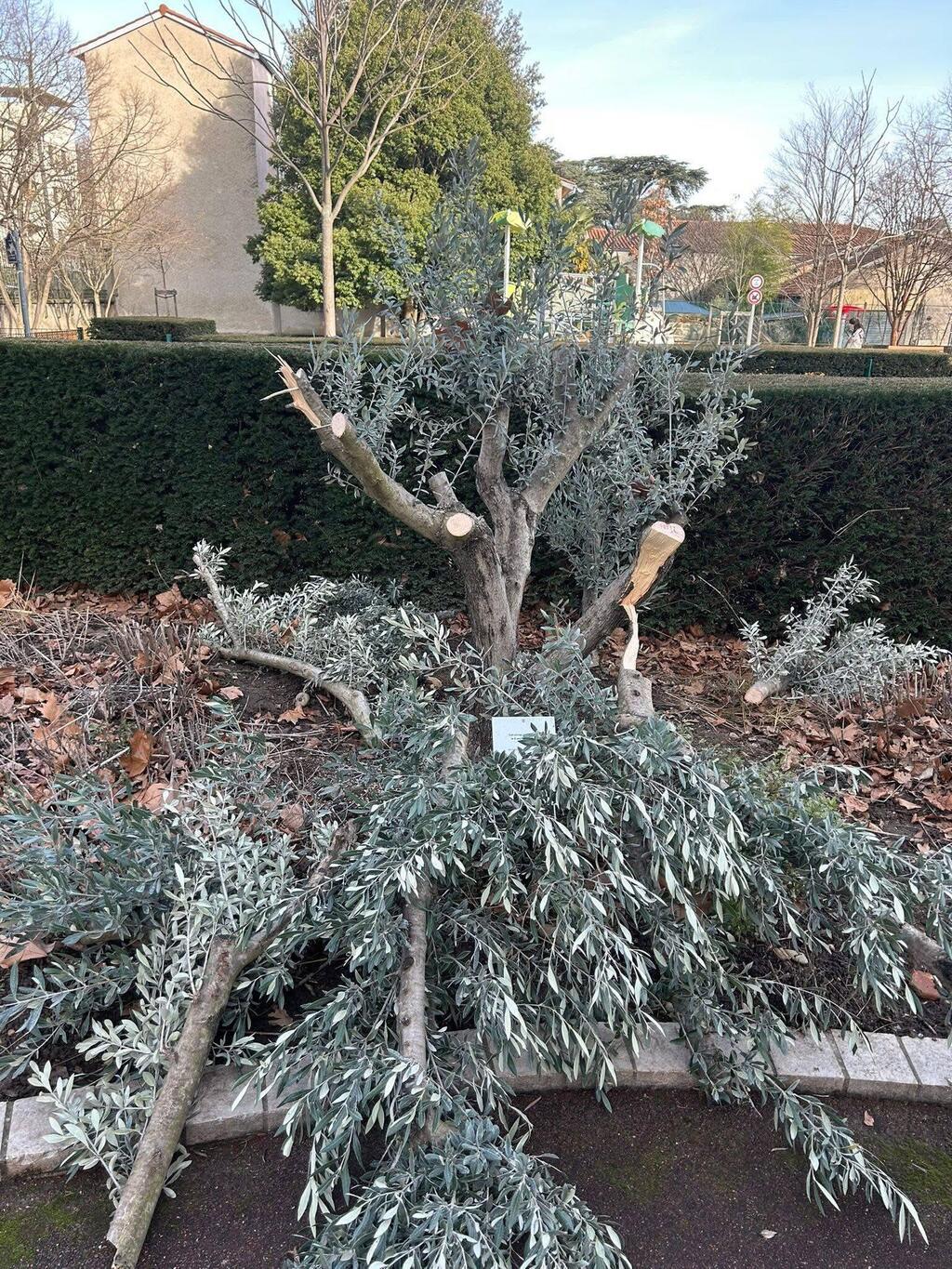
Unidentified vandals cut down an olive tree over the weekend in the town of Saint-Genis-Laval, near Lyon, that had been planted in September in memory of Ilan Halimi, a young French Jew who was kidnapped and murdered in 2006 by a group known as the "Gang of Barbarians."
It was the second time in recent months that a tree planted in Halimi’s memory was targeted. In August, a similar memorial tree was felled near Paris.
Halimi was 23 when he was abducted, tortured for 24 days, and killed in a case that shocked France and became a symbol of anti-Jewish violence. He was targeted solely because he was Jewish.
French Interior Minister Laurent Nuñez condemned the vandalism and pledged to bring those responsible to justice. “Our outrage is shared, and our determination to fight antisemitic and anti-religious acts, which today stain the memory of an innocent person, is absolute,” he wrote on X, formerly Twitter.
The regional prefect, Fabienne Buccio, also denounced the act on X, calling it a “despicable hate crime.” She said the local gendarmerie had launched an investigation.
Saint-Genis-Laval Mayor Marylène Millet condemned the attack “in the strongest terms,” describing it as “shameful.” The municipality said a police complaint was filed Sunday morning. Although the tree was “severely damaged,” it is not currently in danger of dying, according to city services, which implemented immediate protective and recovery measures.
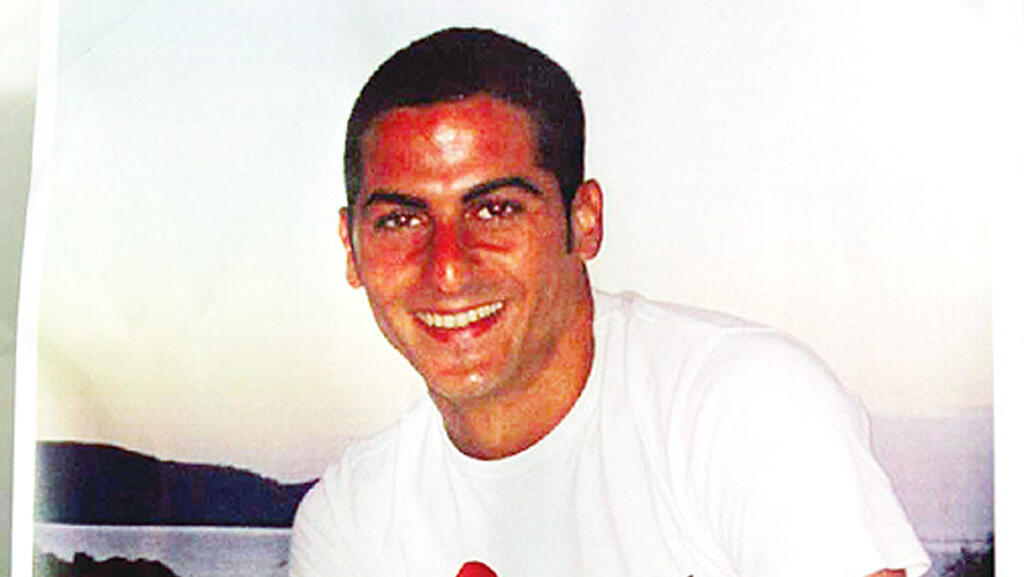
Ilan Halimi
(Photo: Haim Tzach)
A new olive tree will be planted in response, with city officials vowing that “hatred will never silence memory” and that “violence will never force a retreat from the values of fraternity, human dignity, and resilience—the values upon which the Republic stands.”
The local branch of CRIF, the umbrella organization representing French Jewish institutions, said the incident could not be ignored. “This is an affront to the memory of a young man murdered because he was Jewish. This is not coincidence or bad luck. This is antisemitism in its rawest and most blatant form, at a site of remembrance, in front of a symbol of life and hope,” it said.
In a statement, the municipality of Saint-Genis-Laval emphasized the town’s legacy of resistance and said it would continue to “keep memory alive” and “stand tall, together, against all forms of hatred.”