

Dozens of visitors have begun flocking to a new museum opened by Iraq's Jewish community, the first of its kind, amid ongoing efforts by the minority to preserve its heritage.
Last month, the Shamash Jewish Museum opened inside a former Jewish school that was founded in 1928 on Baghdad's al-Rashid street, in the heart of the capital. "It's the only museum in Iraq belonging to the Jewish community," Ammar al-Tamimi, lawyer for the committee of Iraqi Jews that manages the community's properties, told AFP.
Gallery
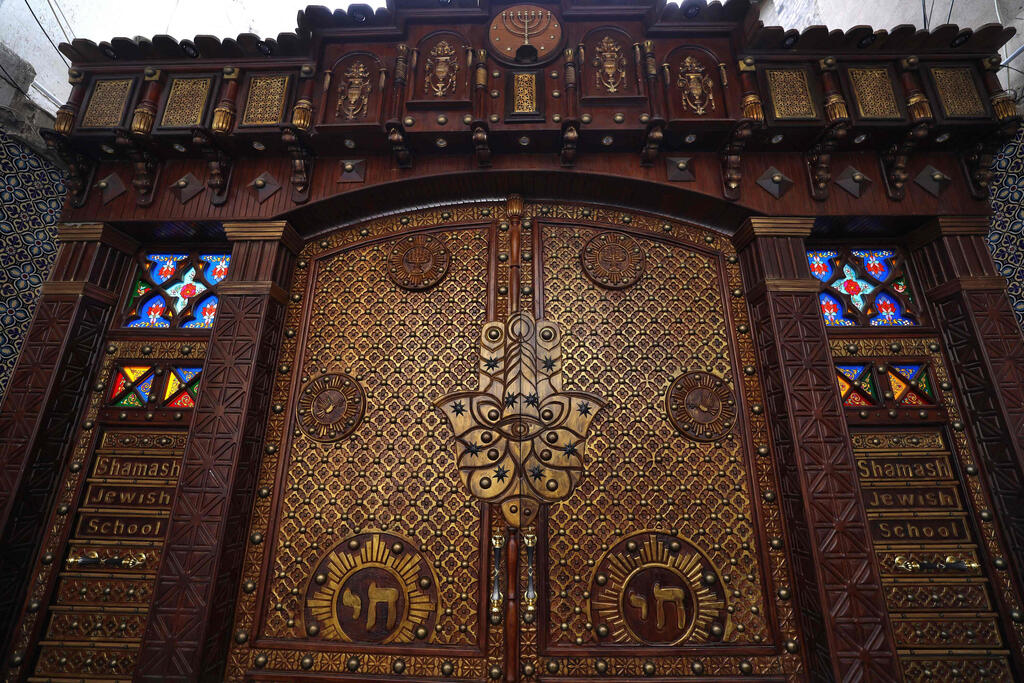
The entrance door of the Shamash Museum of Iraqi Jewish Heritage, which opened in Baghdad
(Photo: Ahmad Al-Rubaye/AFP)
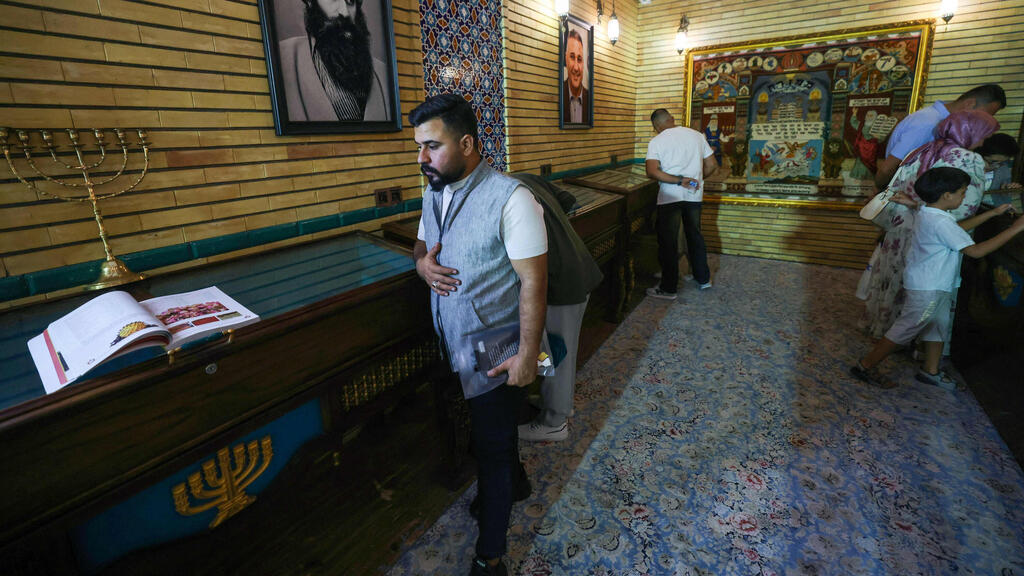
Shamash Museum of Iraqi Jewish Heritage, opened in Baghdad
(Photo: Ahmad Al-Rubaye/AFP)
The Jewish community in Iraq was once one of the largest in the Middle East, numbering more than 130,000 people in the 1940s, and traces its history back 2,600 years. But today there are only a few dozen Jewish residents remaining, most of them in the Kurdistan region.
The museum, with its large wooden entrance topped by menorahs and stained-glass geometric patterns, consists of a hall displaying antique documents and photographs of Iraqi Jews, along with old school certificates, and has begun to attract local and foreign visitors.
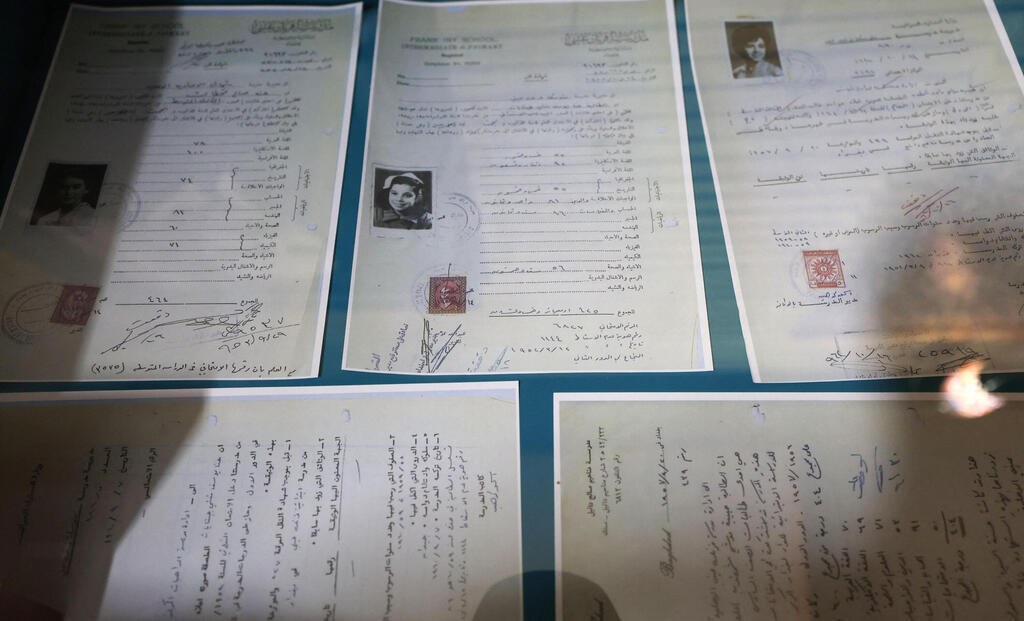
Documents of the Iraqi Jewish community, displayed at the Shamash Museum opened in Baghdad
(Photo: Ahmad Al-Rubaye/AFP)
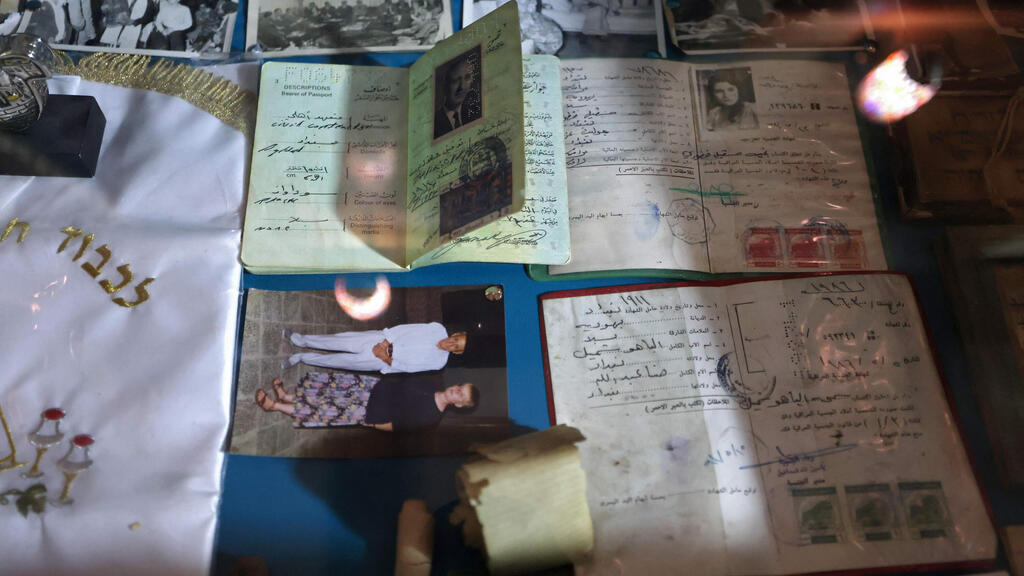
Documents of the Iraqi Jewish community, displayed at the Shamash Museum opened in Baghdad
(Photo: Ahmad Al-Rubaye/AFP)
Its walls are adorned with photos of prominent Jewish figures, including Iraq's first finance minister Sassoon Eskell (1860–1932) and physician Dhafer Fouad Eliyahu (1960–2021), who was well known in Iraq for providing free services.
The Shamash Jewish School, started by Yaqub Shlomo Shamash nearly a century ago, offered an English-language curriculum to students from various communities, and in particular Jews. The government confiscated the property in the 1970s and converted it into a public school, until a court ruling returned it to the community in 1992, according to Tamimi.
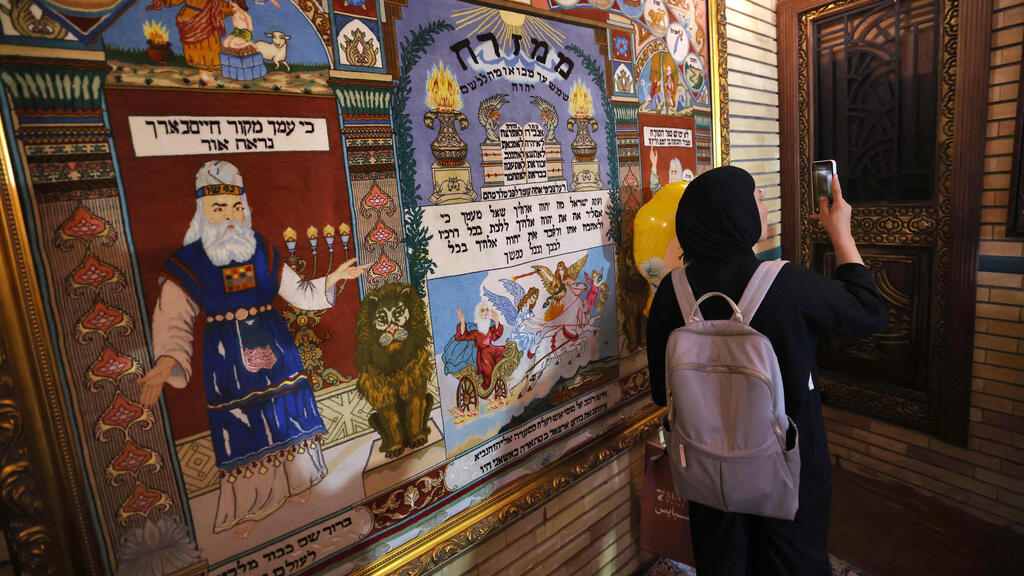
Inside the first Jewish museum in Iraq
(Photo: Ahmad Al-Rubaye/AFP)
Efforts to revive the school faced successive setbacks: sanctions in the 1990s, the U.S. invasion of 2003, sectarian clashes in 2006 and 2007, and the rise of the Islamic State group between 2014 and 2017. But as Iraq finally begins to experience relative stability, accompanied by a growing thirst for culture and entertainment, Jewish community leaders led by Khalida Fouad Eliyahu, 63, have started bringing their sites back to life.
Restoration efforts
Visiting the museum, which he described as "important for remembering Jewish history and civilization," 74-year-old Ramzi al-Saadi recalled his Jewish neighbours as a child on Baghdad's al-Kifah Street. "They were kind, simple people who never harmed anyone," he told AFP.
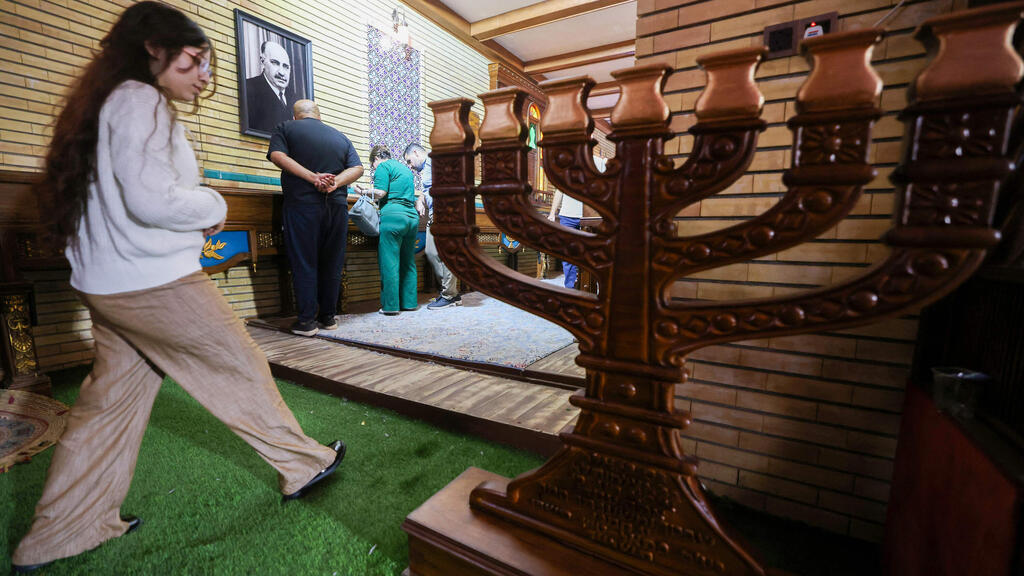
(Photo: Ahmad Al-Rubaye/AFP)
Today, fewer than 50 synagogues and Jewish sites remain in Iraq, most of them in Baghdad and Hilla, the capital of Babylon Province, to which large numbers of Jews were forcibly taken in what became known as the Babylonian Captivity in the sixth century BC
Tens of thousands of Jews left the country following a deadly 1941 massacre known as the Farhud, when mobs killed over 100 Iraqi Jews, and after the establishment of the state of Israel in 1948.
For years, the Iraqi Jewish community has been working to restore its shrines and synagogues, which have suffered from severe neglect, and many of which were turned into warehouses or destroyed during the wars that have plagued Iraq.