

“When I heard about the capture of Nicolas Maduro, the president of Venezuela, I felt joy in my heart,” says Monica Davidovich, 64. “It is good news for the many good people who live there and for all those who fled for various reasons and can now return. Good riddance."
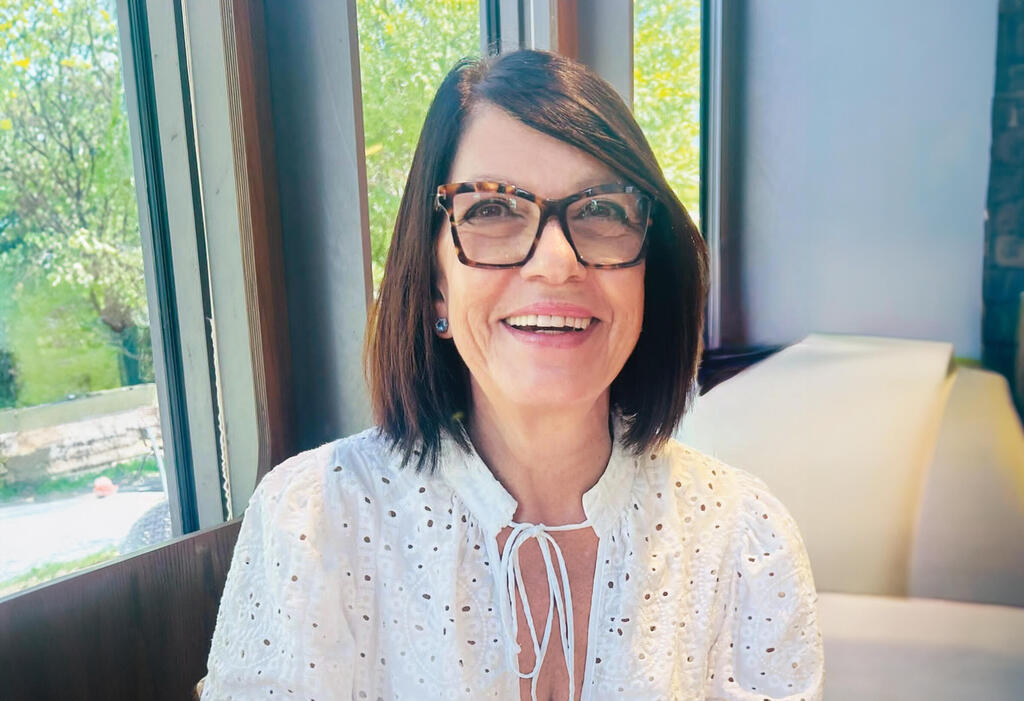
Monica Davidovich
(Photo: Private album)
When did you leave Venezuela?
“In 2000, we immigrated to Israel following Hugo Chávez’s rise to power, after I had lived there for 23 years and had two children there. We lived in Caracas, which was always a dangerous city in terms of personal security, and a year after Chavez came to power, we fled. Many Jews voted for him because he promised to lower crime rates and improve the economy, but the huge oil revenues the country received ended up corrupting him as well.
“This was the second time I had to flee because of a dictator coming to power. I was born in Chile, and when I was 16, we moved to Venezuela after Augusto Pinochet began ruling."
Is Maduro’s fall good news for the Jews living in Venezuela?
“There is frightening antisemitism there, because of Maduro’s ties with Iran. I hope the new government will establish diplomatic relations with Israel and that the incitement of antisemitism will stop.
In my time, there was a warm Zionist community in Venezuela, but already in 2009, when Chavez, who was pro-Palestinian, severed diplomatic ties with Israel, Jews began leaving. Today, only about 3,000 Jews live in Venezuela, most of them in the capital, Caracas. In my time, there was no antisemitism at all. We left because of rising crime. We felt endangered as citizens, not as Jews."
Do you still have family there?
“My husband has cousins there. We spoke with them after the capture, and they say the situation is not good. Around the world, people are happy and celebrating Maduro’s fall, but those who live there are very scared. Jews are staying inside their homes and do not dare go out.
"One of the Israeli television channels contacted me and asked me to connect them with someone from the Jewish community. I reached out to various people, but no one was willing to talk. For years, Jews there have lived with a low profile, and now they are lowering it even more. Most of them are business owners, and many shops have now closed."
What do you expect will happen in Venezuela in the future?
“I believe it will return to what it once was, and that within four to five years it will be a free country."
How did you become involved in fundraising for Rambam Health Care Campus in Latin America?
“In 2015, I went with my family on a seven-year mission to Brazil on behalf of Keren Hayesod. Before we returned, I approached Rambam on my own initiative and asked why they were not fundraising in Latin America. I met with Dr. Esty Golan, the hospital's managing director of international relations and learned that they had not thought the communities there were Zionist or wealthy enough to donate to Israel. At her initiative, we opened the Latin America desk at Rambam, and my role is to introduce the hospital to Jewish communities and raise donations."
How did the October 7 war affect fundraising there?
“There was a surge in donations. Jews there were genuinely worried about Israel. I received dozens of messages every day from Jews asking how they could help. Most preferred to direct their donations to the south and to the communities near the Gaza border. Since the war, more donations have gone to Soroka Medical Center than to Rambam."
What do you miss most about Venezuela of the past?
“The comfort of life there, especially economically. Life was cheaper and there were no heavy taxes as we have here. However, immigrating to Israel was the best decision we ever made.
“When I moved to Israel everyone told me, ‘Do not trust anyone.’ That's not true. I have met amazing people here, one by one.”