


A historic wooden synagogue built more than 120 years ago in the Siberian city of Zima has been restored and reopened near Lake Baikal — the world’s largest freshwater lake by volume and the deepest lake in the world. The project, funded by the Russian government and carried out in cooperation with the local Jewish community, aims to preserve the region’s Jewish heritage and present it to the hundreds of thousands of visitors who visit the area each year.
The original synagogue was built in 1905 and served the Jewish community in Zima for many years. It was the last synagogue of its kind in Irkutsk Oblast, but its condition deteriorated over time and it was dismantled in 2016 over concerns that it could collapse. In recent years, experts from the Taltsy Museum worked on an accurate restoration of the structure, relying on historical photographs, archival documents and accounts from the period when it was active.
Gallery
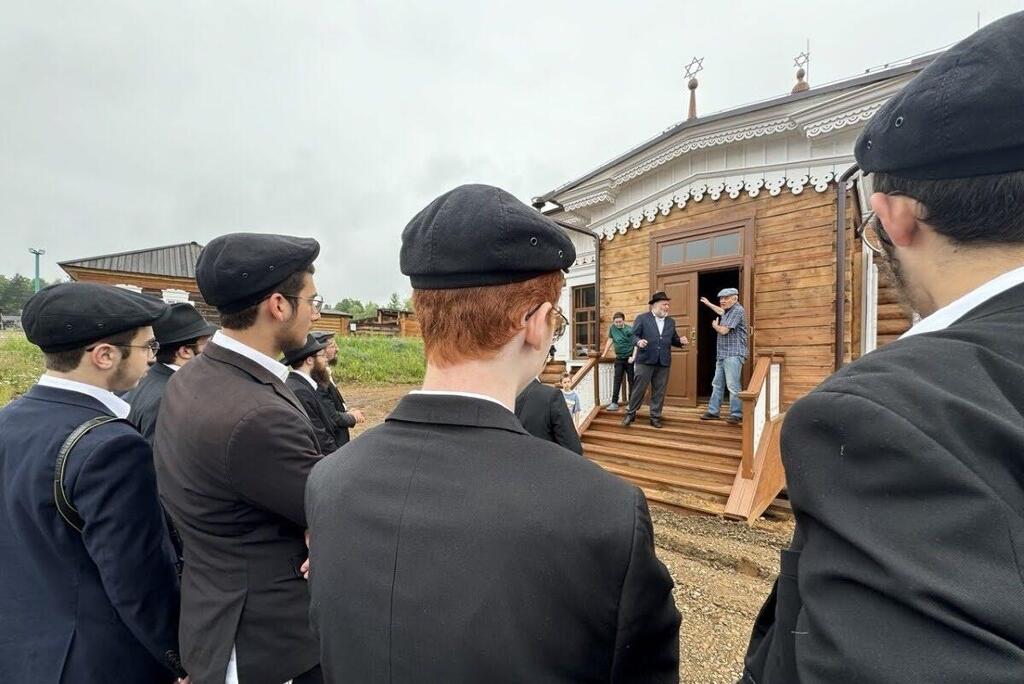
A historic wooden synagogue built more than 120 years ago in the Siberian city of Zima has been restored and reopened
(Photo: The Jewish Community)
Alongside the restoration of the building itself, the interior was also rebuilt to reflect its appearance in the early 20th century. According to the project’s organizers, the goal was not only to preserve a historic structure but also to demonstrate to visitors the life of the Jewish community that operated in the region for decades.
The project was closely overseen by Irkutsk’s chief rabbi, Rabbi Aharon Hakohen Wagner, and leaders of the city’s Jewish community, and was carried out under the guidance of Russia’s Chief Rabbi, Rabbi Berel Lazar.
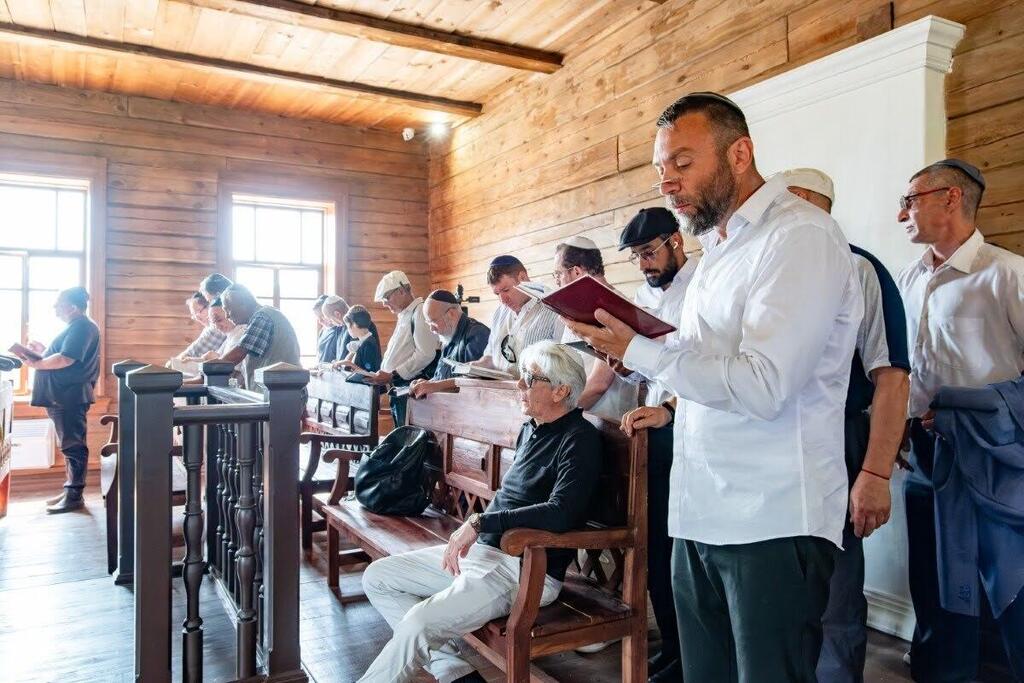
Prayer at the synagogue in Zima
(Photo: The Jewish Community)
At the official opening ceremony, a letter from Rabbi Lazar was read in which he described the project as “unprecedented” in Russia. He said it was the first time a synagogue had been incorporated as part of a major ethnographic museum in the country. He added that the initiative would allow hundreds of thousands of visitors to learn about the history of Russian Jewry and its spiritual heritage.
Rabbi Lazar wrote: “The establishment of this house of prayer carries significance far beyond the borders of a single community. It is evidence that in today’s Russia, the spiritual heritage of all faiths is treated with respect. I am confident that this project will serve as a model for other regions and inspire new initiatives to preserve historical memory and strengthen mutual understanding.”
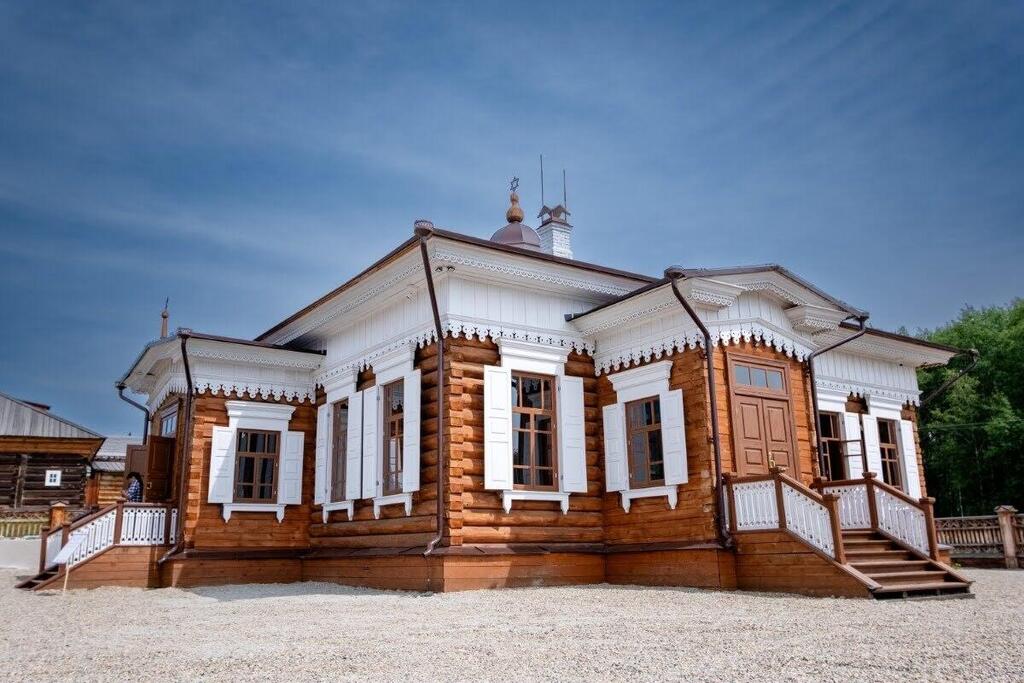
The synagogue in Zima. The renovation took two years
(Photo: The Jewish Community)
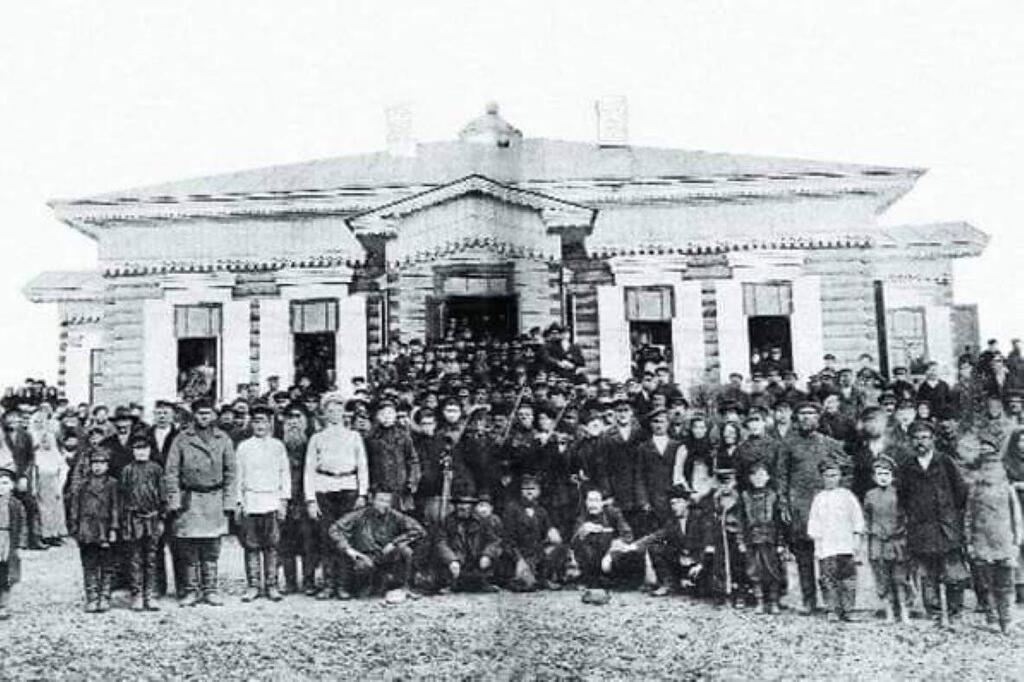
The synagogue in the past
(Photo: The Jewish Community)
The president of the Federation of Jewish Communities of Russia, Rabbi Aleksandr Boroda, also welcomed the opening of the new exhibit, saying it represented more than the preservation of an architectural structure. The restoration, he said, commemorates the lifestyle and faith of the region’s Jews and allows visitors to learn about the Jewish community’s contribution to the development of Siberia.
The Taltsy Museum, located on the banks of the Angara River along the route between Irkutsk and Lake Baikal, is one of Russia’s largest open-air museums and displays historic buildings from across Siberia. The restored synagogue has now joined the museum’s collection, preserving a lesser-known chapter in the history of Russian Jewry and presenting it to visitors from Russia and around the world.