

Support for Israel remains a central component of Jewish identity for many Jewish Americans ages 45 and older, while younger adults are more likely to prioritize religious observance, holidays and other forms of communal connection, according to a new AP-NORC poll.
The findings point to a generational divide that extends beyond political attitudes toward Israel’s conduct since the Hamas-led October 7, 2023, attack and the ensuing war in Gaza. The split also appears to be reshaping how younger and older Jewish Americans define their religious identity.
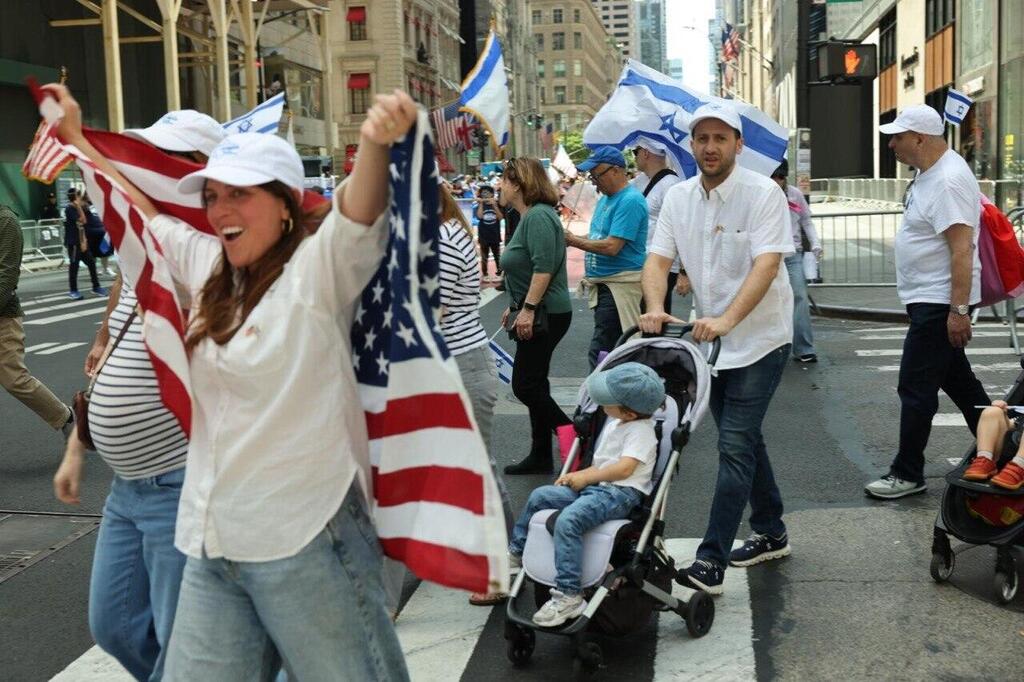
“I pray for people in the land of Israel. I don’t need to pray for the state,” said Cameron Bernstein, a 27-year-old medical student in New Orleans.
Bernstein was raised with strong ties to Israel and celebrated her bat mitzvah there, but said the country now “doesn’t play a role in my life, more than another country with people I love.”
The survey of 1,022 Jewish adults, conducted by The Associated Press-NORC Center for Public Affairs Research, found that the divide was particularly pronounced among respondents who identify as religiously Jewish.
Religiously Jewish adults account for 68% of Jewish adults overall, according to the poll. Roughly 6 in 10 say being Jewish is “extremely” or “very” important in their lives, with little variation by age.
The differences emerge when respondents are asked what Jewish identity means to them.
About half of religiously Jewish adults ages 45 and older say supporting Israel is “extremely” or “very” important to their Jewish identity, roughly equal to the share who say the same about celebrating Jewish holidays.
Among religiously Jewish adults under 45, however, only about 4 in 10 say support for Israel is highly important, while roughly 7 in 10 place strong importance on celebrating Jewish holidays.
For Susan Boyer, 72, of Southern California, support for Israel means defending the Jewish people’s right to a homeland in the Middle East.
Like many Jewish Americans, Boyer views Israel as an essential refuge against the possibility of another mass persecution of Jews, particularly as concern about antisemitism rises.
“I’ve been defending myself as a Jew since I was a child,” she said, recalling being attacked by classmates because she was Jewish.
“It’s invasive into your daily living that you have to constantly, constantly be defending yourself as a Jew, constantly making sure that nobody is redefining you or nobody is, like, insulting your land.”
Gaza war sharpens divisions
For some younger Jewish Americans, Israel’s military operations have had the opposite effect, creating a sense of alienation from established Jewish institutions.
Ari Pollack, a 30-year-old arts fundraiser in Wisconsin, said Israel’s military actions, particularly in recent years, have provided ammunition for antisemitism and made Jews less safe worldwide.
“I’m personally pretty opposed to basically everything Israel’s doing these days,” said Pollack, who attended religious school while growing up.
“A source of a lot of frustration that I have for the Jewish establishment is that sort of dogmatic teaching of pro-Israel ideas that I’ve had to unlearn as an adult,” he said. “And it’s part of what’s kept me away from, you know, attending regular synagogue services.”
About 3 in 10 religiously Jewish adults under 45 say Israel has committed genocide during the war in Gaza, an accusation Israel strongly denies. Among Jewish adults ages 45 and older, about 2 in 10 hold that view.
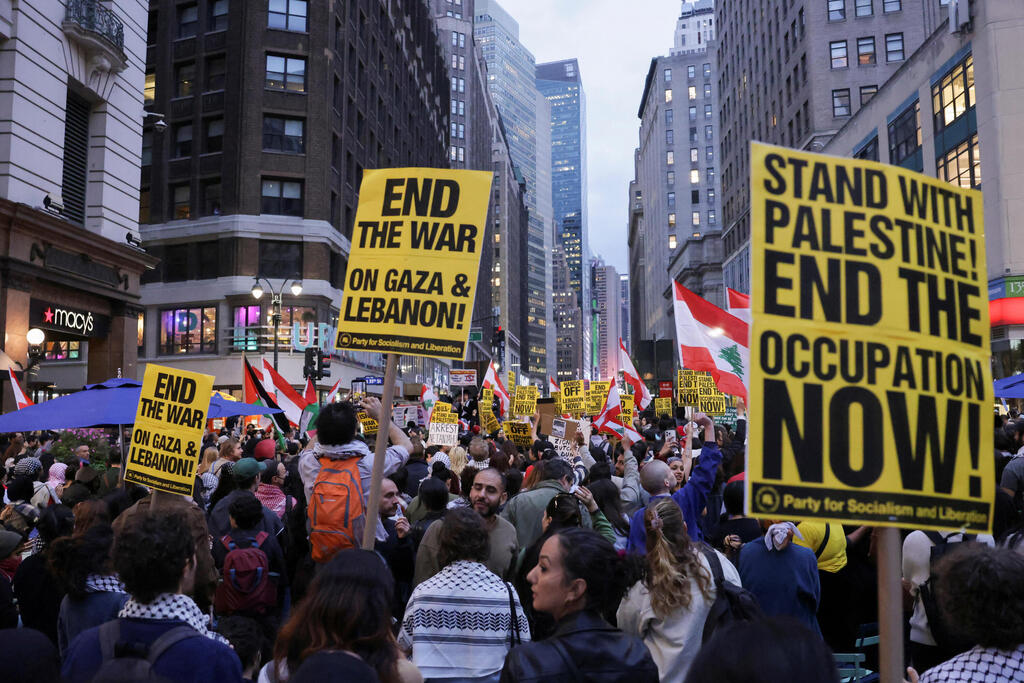
Pro-Palestinian protests in Los Angeles
(Photo: REUTERS/Kent J Edwards)
The poll nevertheless indicates that Judaism remains deeply important to many younger adults, even when their connection to Israel is weaker.
Religiously Jewish Americans under 45 are more likely than older adults to say that observing or celebrating Shabbat and avoiding foods such as pork or shellfish are highly important to their Jewish identity.
Phoebe Wapnitsky, 32, of Connecticut, said she strongly opposes Israel’s military actions, which she views as incompatible with Jewish principles.
“Standing against oppression, promoting social justice — those are the roles that Judaism plays in my life,” she said, adding that she felt disconnected from Israel even before the October 7 attack.
Others see support for Israel and criticism of its government as compatible.
Brian Ebarb, a 47-year-old attorney in Louisiana, said his Jewish identity is rooted in “action and community,” including support for Israel.
“When the government makes mistakes, it should be criticized,” he said, while warning that criticism must not become a pretext for hostility toward Jews as a whole.
“The existence of the state of Israel is so precarious that we have to be careful and not allow criticism of Israel to become criticism of Jews worldwide.”