



As Brazil prepares for a tense presidential election in October, a new annual report by the country’s Jewish umbrella group, the Brazilian Israelite Confederation (CONIB), points to a sharp 150% rise in antisemitic incidents in recent years. In 2025 alone, nearly 1,000 antisemitic incidents were recorded in Brazil — an unprecedented figure raising concern among the country’s Jewish community.
The surge comes amid an ongoing diplomatic crisis between Israel and Brazil, fueled by hostile rhetoric from President Luiz Inácio Lula da Silva. A nationwide public opinion poll commissioned by StandWithUs Brazil and conducted by the AtlasIntel institute reveals how this political climate has deeply penetrated everyday Brazilian society, turning Jews and Israel into a polarizing issue.
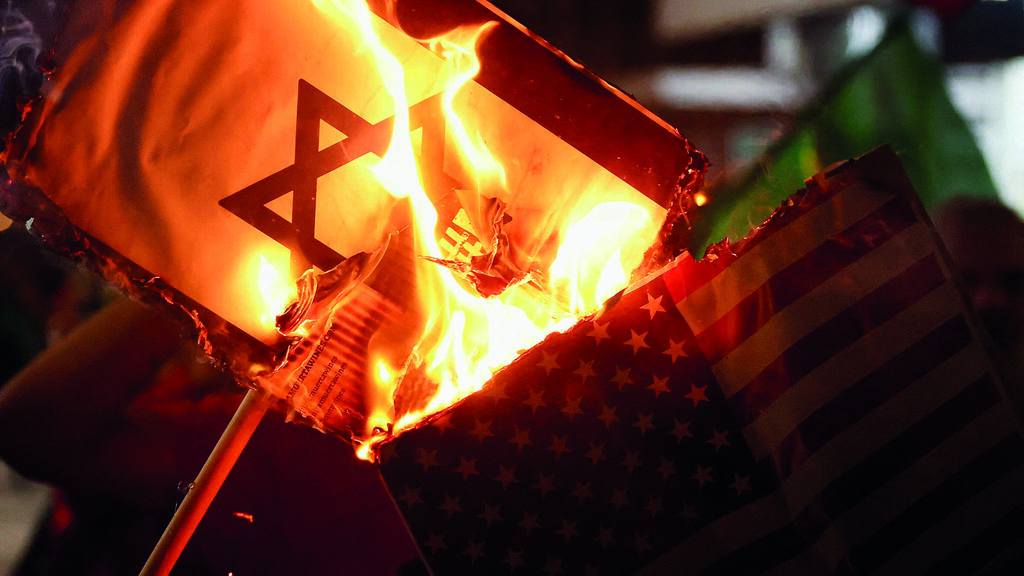
According to the comprehensive survey, conducted among 1,812 Brazilians, a significant portion of the population holds classic antisemitic views, with a sharp divide between the political left and right.
Among the key findings of the StandWithUs Brazil and AtlasIntel survey: 95% of those identifying with the political left believe it is “legitimate” to compare Israel’s treatment of Palestinians to the actions of the Nazis against the Jews. In contrast, the political right shows greater sensitivity to modern antisemitism. Some 88.6% of right-wing respondents correctly classify the claim that “pro-Israel supporters are a threat to democracy” as a narrative rooted in prejudice and antisemitism.
The survey also found that three in 10 Brazilians admit they would not feel entirely comfortable having a Jewish friend. Twenty-eight percent believe it is natural to be suspicious of Jews due to their alleged loyalty to Israel, and 37% think it is likely that Jews are more economically successful than others. In the workplace, one in four Jewish professionals (25%) report experiencing direct discrimination.
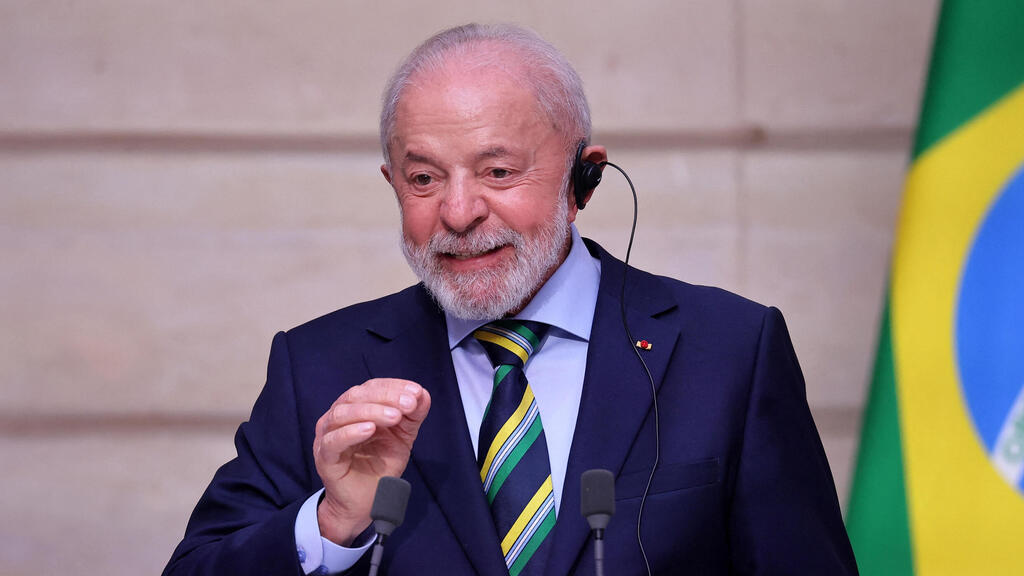
Brazilian President Lula: A surge in antisemitism during his term
(Photo: Christophe Petit Tesson/Pool via Reuters)
The report emphasizes that contemporary antisemitism in Brazil is often driven by a combination of historical ignorance and the political use of anti-Zionism, with hostility toward the Jewish state frequently serving as a cover for traditional prejudices against Jews.
“The data we have uncovered is a resounding wake-up call," said André Lajst, CEO of StandWithUs Brazil. "As we approach the October 2026 elections, we are witnessing the dangerous trickle-down effect of hostile rhetoric from senior leadership. When the political left normalizes comparisons between the Jewish state and Nazi Germany, it directly fuels the 150% surge in antisemitic attacks against Brazilian Jews in the streets, schools and workplaces."
"This polarization underscores the urgent need for broad educational initiatives and the adoption of clear, internationally recognized definitions of antisemitism, to help our institutions combat this growing threat,” he added.