


Yad Vashem (The World Holocaust Remembrance Center) has successfully documented the names of more than 80 percent of Holocaust victims. The central database now contains five million names, a historic milestone in a mission that has spanned over seven decades.
Identifying and commemorating the victims remains one of Yad Vashem’s core missions, a task growing ever more urgent as the number of Holocaust survivors dwindles. The database, accessible to the public on the Yad Vashem website, is the result of decades of determined collection work. Since its founding, the institution has gathered information through Pages of Testimony, archival documents from the Holocaust era, cooperation with other archives and memorial institutions, and partnerships with Jewish communities worldwide.
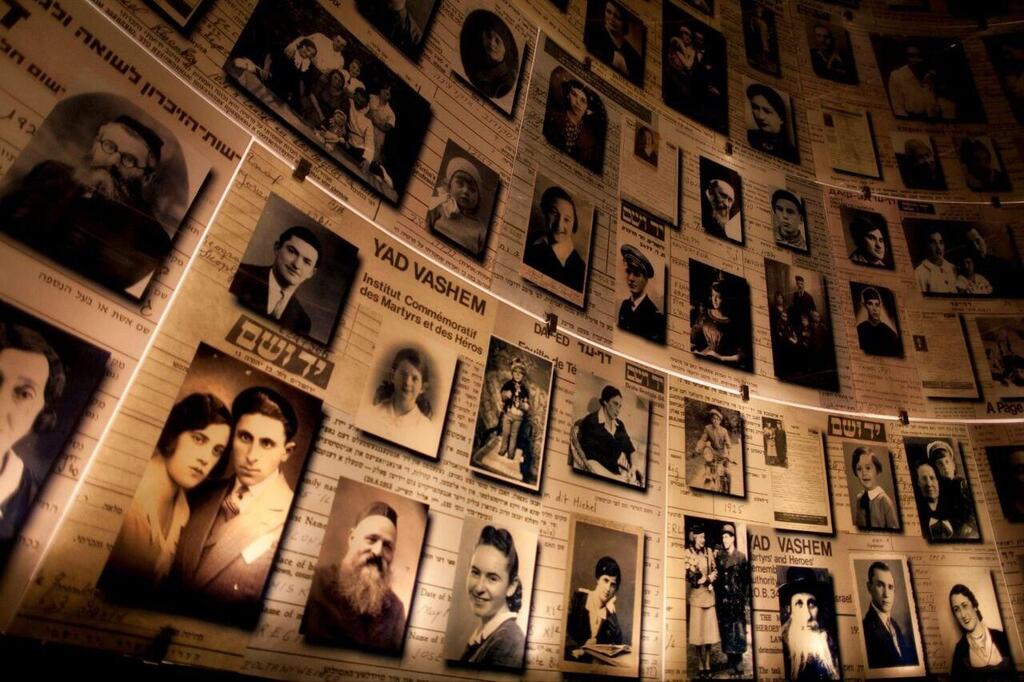
According to Yad Vashem experts, about 250,000 additional names are expected to be recovered in the coming years, though at a slower pace. Despite the well-known estimate of six million Jews murdered in the Holocaust, historians now acknowledge that hundreds of thousands of names may never be documented, as no record of their deaths survives.
Thanks to new technologies such as artificial intelligence and machine learning, researchers at Yad Vashem are analyzing hundreds of millions of archival documents once impossible to process manually, in an effort to identify as many names and personal details as possible.
The database also includes hundreds of thousands of “personal files,” assembled from multiple archival sources, that reconstruct aspects of the victims’ lives and fates. Over the years, the database has helped thousands of families commemorate relatives, discover previously unknown family connections, and even locate survivors once thought to have been killed.

One of the main sources of information is the collection of Pages of Testimony, which so far has provided about 2.8 million names. The collection effort continues to this day. In 2013, UNESCO recognized the Pages of Testimony collection as part of its Memory of the World Register. Additional sources include historical records such as personal letters, diaries, Nazi registration lists, deportation rosters, population censuses, and documentation from postwar trials of Nazi criminals and collaborators. Yad Vashem has also used unconventional methods, such as identifying names inscribed on gravestones and synagogue memorial plaques.
Over the years, Yad Vashem has developed sophisticated search tools, indexes, and algorithms that cross-reference and merge data efficiently and accurately, greatly improving the precision of the information available.
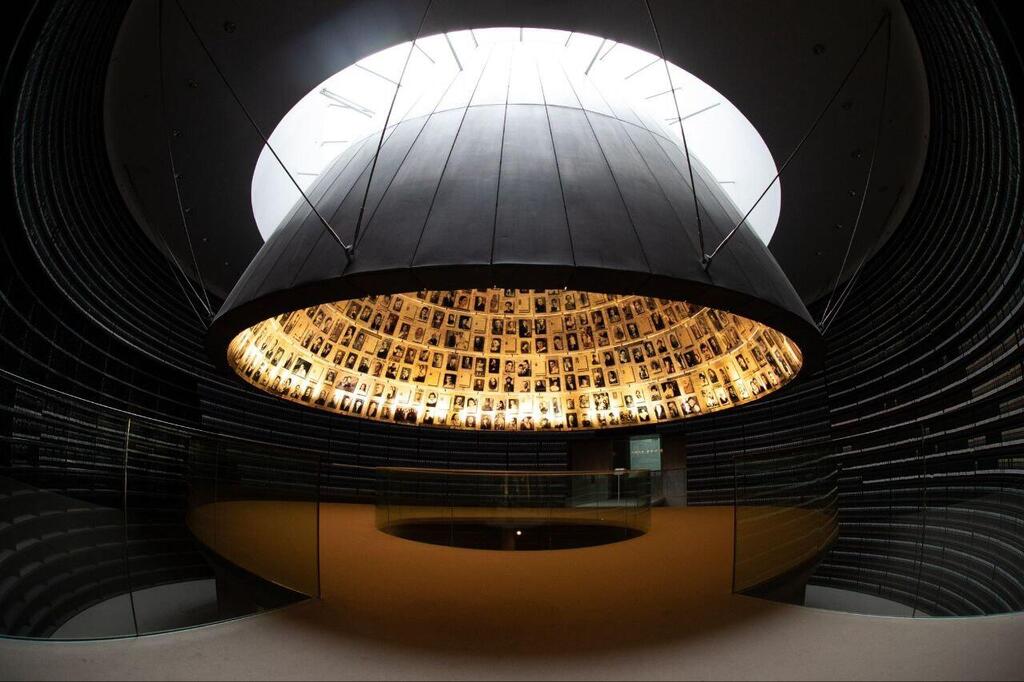
The milestone will be commemorated with a special symposium this Thursday, featuring lectures and panels offering a behind-the-scenes look at the documentation process, the stories uncovered along the way, and the new initiatives driving the ongoing effort.
“In many cases, a single Page of Testimony is all that remains of a person,” said Dr. Alexander Avraham, director of Yad Vashem’s Central Database of Shoah Victims’ Names, who has led the project for 37 years and is retiring this year. “Most Holocaust victims left no trace and no grave. The Pages of Testimony serve as symbolic tombstones. The Nazis sought not only to murder them but to erase all memory of their existence, and the names database ensures they cannot succeed. By identifying one Jewish victim after another, we restore their identities and preserve their memory forever.”
“Documenting five million names is both an achievement and a reminder of our unfulfilled obligation,” added Yad Vashem Chairman Dani Dayan. “Behind every name lies an entire life: a child who never grew up, a parent who never came home, a voice silenced forever. Our moral duty is to ensure that every victim is remembered and that no one remains anonymous.”