

At a time when disagreements over Israel, religion and Jewish identity can expose deep divisions between communities, Voice of the People is betting on a different approach: bring those disagreements into the same room.
The initiative, launched from a vision by President Isaac Herzog, brings together Jews from Israel and communities around the world to develop leadership, strengthen connections and work on practical solutions to shared challenges. Applications are now open for its second cohort, which will once again include 150 participants.
‘It changed my life’: Inside the initiative bringing Jewish leaders from around the world together


For Shirel Dagan-Levy, CEO of Voice of the People, the key distinction is that the initiative is not intended to become another forum where Jewish leaders simply discuss the problems facing their communities. “President Herzog sees himself responsible not just for the State of Israel, but the Jews in general.” The vision, she said, was to cultivate “new, diverse, generous leadership in the Jewish world,” while also developing creative responses to some of its biggest challenges.
“We don't want just to talk,” she said. “We also want to come up with solutions. How can we actually affect reality by working together?”
Discovering a Jewish world beyond Israel
For Noam Meirov, a member of the VoP cohort and a Middle East business expert specializing in regional partnerships, particularly the UAE and the Abraham Accords, the experience challenged some of his assumptions as an Israeli. “I think as an Israeli sabra, one of the things that most surprised me is how much the Diaspora communities care about Israel, about the future of the Jewish people,” he said.
Seeing active Jewish communities from places as far apart as Singapore, Mexico and Australia participating in discussions about a shared Jewish future gave him a perspective he had not fully appreciated before joining the program.
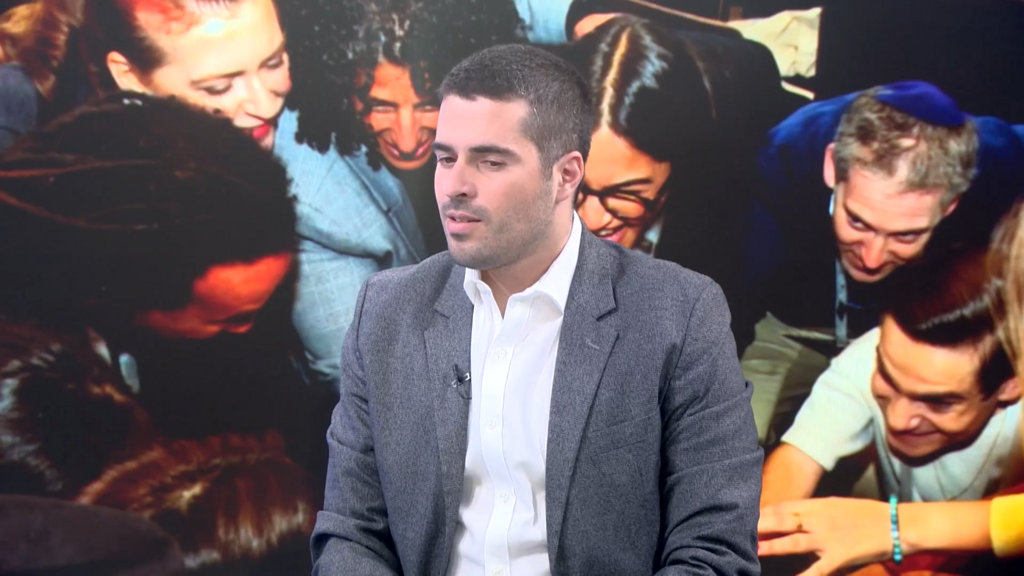
Even among Jews who had never lived in Israel, he said, events in the country remained “deeply part of their identity” and influenced how they understood their place in the world.
That diversity is deliberate. According to Dagan-Levy, members of the inaugural cohort ranged in age from 19 to 82 and included secular and ultra-Orthodox Jews as well as participants from business, technology, venture capital, education, Jewish federations and other fields.
“The most important thing is the people themselves,” she said. “They will come up with solutions, they will create ideas, but it all starts with the people, and the diversity is crucial in order to create something new.”
The initiative is therefore looking not only for established communal figures but also for what Dagan-Levy calls the “non-usual suspects” — people who may never previously have viewed themselves as part of traditional Jewish leadership.
The rise of the ‘October 8th Jews’
That definition of leadership has taken on new significance since October 7.
Dagan-Levy pointed to the emergence of people sometimes described as “October 8th Jews” - those whose Jewish identity may previously have remained largely in the background but who, following the Hamas-led attacks and their aftermath, felt compelled to become more involved.
“We find a lot of people stepping up and saying, ‘I've never dealt with my Jewish identity. It was part of who I am. But now no one else will do it for me, and I need to be there and to act,’” she said.
“For us, that's the new leadership.” The program, she added, is looking for people who understand that leadership today also means navigating complexity and disagreement without expecting every disagreement to be resolved.
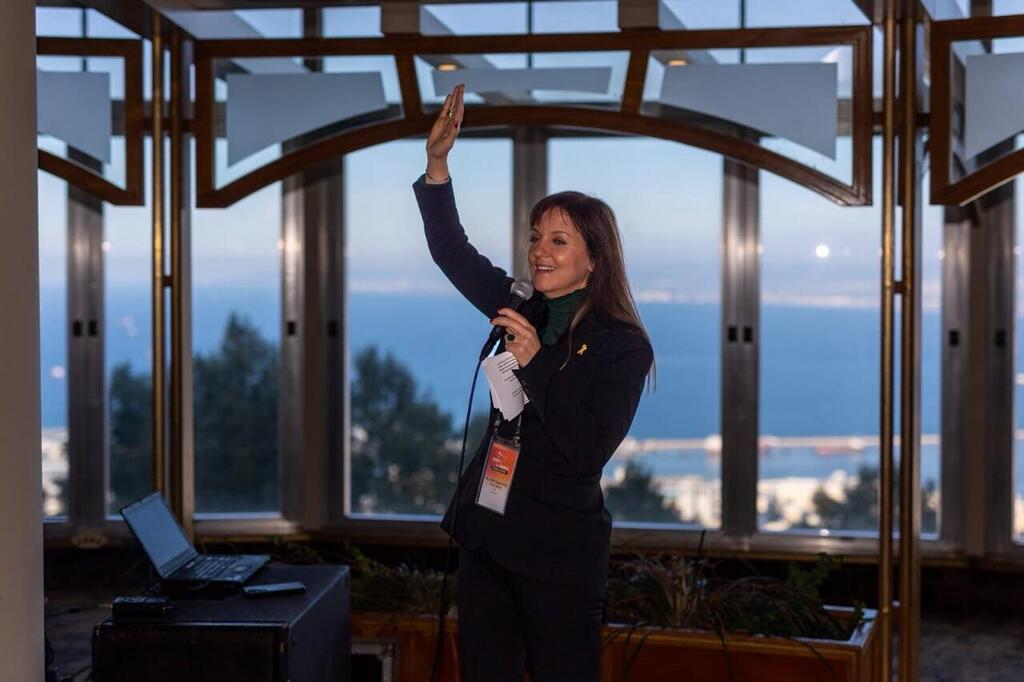
Shirel Dagan-Levy
(Photo: Dor Pazuelo)
For Meirov, who has spent much of his professional life building relationships between Israelis and partners in the Arab and Muslim world, navigating disagreement within the Jewish world presented a surprisingly different challenge.
“The first thing that you need to remember about the discussion within the family is it's harder,” he said. “When we're within, it's more complex, more nuanced.” His experience working across cultures in the Middle East has nevertheless provided an important lesson: people can use the same words and still interpret them through completely different cultural experiences.
“You need to look for the differences and also for the things that are similar,” Meirov said. “Always look for the commonalities.” Within Voice of the People, he said, that common ground is ultimately the future of Israel and the Jewish people. The disagreements can remain sharp, but a shared foundation makes it possible to move forward together.
‘Radical listening’
Dagan-Levy admits that bringing such different people together has been harder than organizers initially imagined. The initiative emerged during what she described as one of the most difficult periods Israel and Jewish communities worldwide have faced. Yet that tension is precisely the point.
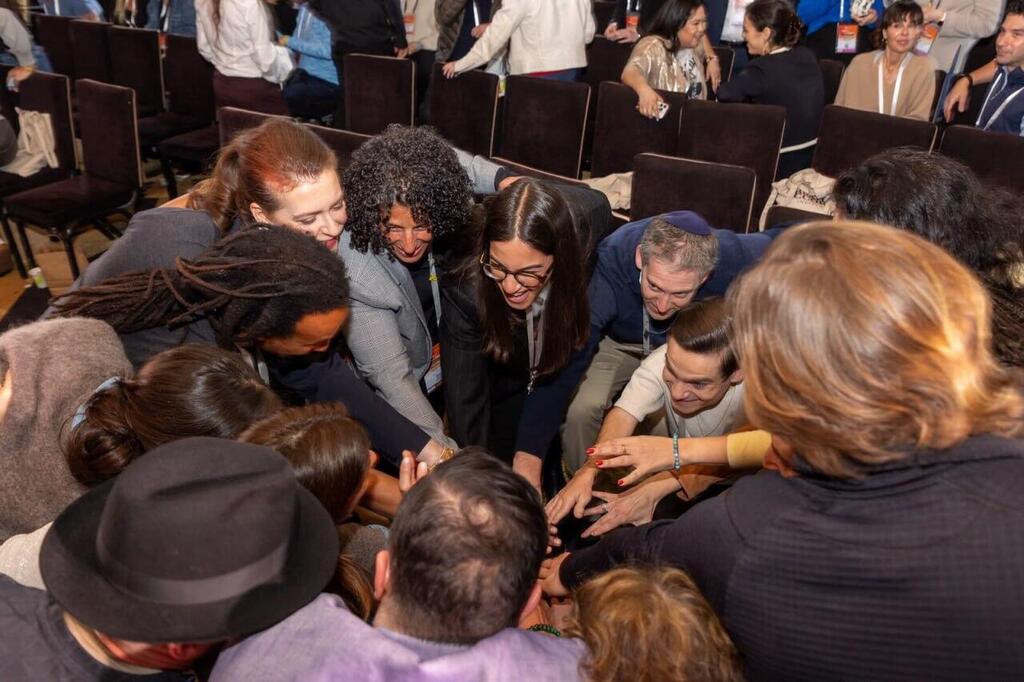
When the first cohort assembled, Dagan-Levy warned participants that discomfort was part of the process. “You will sometimes, most of the time, feel very uncomfortable in the room,” she recalled telling them, because they would encounter people “who think exactly the opposite” of them.
(Photo: Dor Pazuelo)
“But that's how we lead the change,” she said. “If we continue to sit and talk to people who think like us, who look like us, who work with us, it's going to stay the same.” Voice of the People calls the approach “radical listening”: the ability to genuinely hear positions that challenge one's own while continuing to see the broader shared mission. “We talk about generous leadership,” Dagan-Levy said. “It's not about us as leaders, it's about the mission.”
‘It changed my life’
The second cohort will spend 16 months in the program, and Dagan-Levy says organizers are looking for applicants who are curious, willing to invest their time and, importantly, prepared to remain engaged even when conversations become uncomfortable.
“We're looking for people who are curious, people who are willing to feel uncomfortable and yet to stay there,” she said, adding that becoming a council member comes with a responsibility to contribute and act.
For Meirov, however, there is another reason to apply, one that is much more personal.
(Photo: Dor Pazuelo)
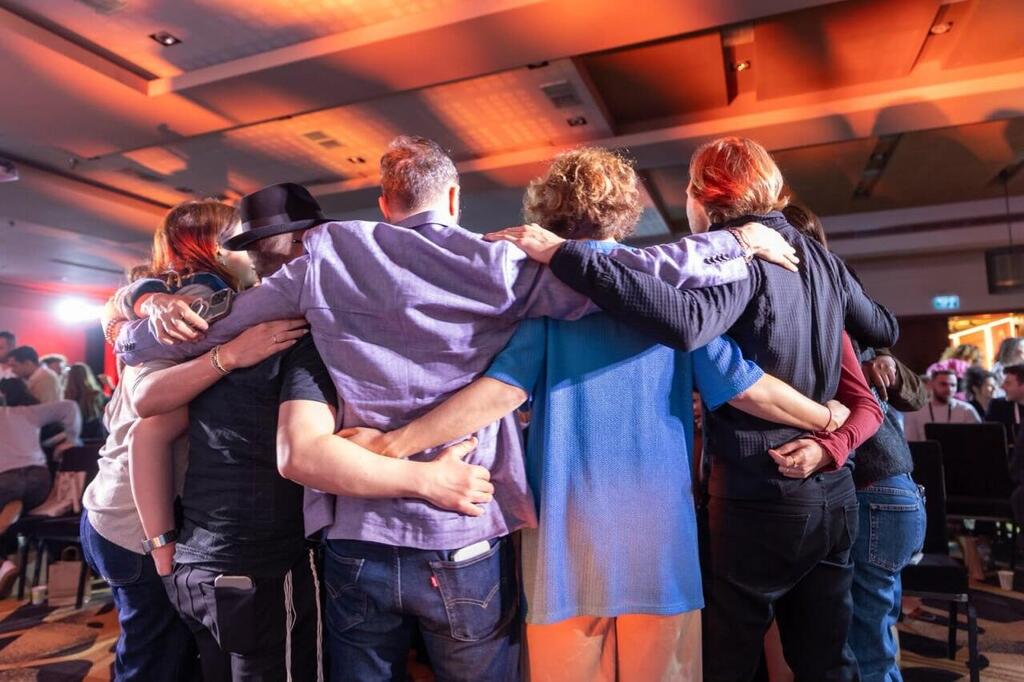
“It changed my life,” he said. As a young Israeli who wanted to feel connected to the wider Jewish story, Meirov said the cohort gave him something he had never previously experienced: direct relationships with Jewish leaders from communities across the world.
“This was the first time in my life that I had an opportunity to connect with Jewish leaders from all around the Jewish world,” he said, describing encounters with community leaders, businesspeople and senior figures from academia.
For an Israeli accustomed to building bridges across the Middle East, Voice of the People ultimately offered him another kind of bridge, one connecting Israel to the diversity of the Jewish world itself.
Applications for the second Voice of the People cohort are open until October 12, with 150 participants expected to be selected from Israel and Jewish communities around the world.