

Nearly one in 12 young adults in Ireland believes the Holocaust is a “myth,” while almost one in five think it did happen but on a far smaller scale, according to a new survey published by The Irish Times.
The survey, commissioned by the Claims Conference and conducted online by Global Strategy, questioned 1,000 Irish residents aged 18 and older. The sample was adjusted to match Ireland’s most recent census age profile and carries a margin of error of plus or minus 3.1 percentage points.
Gallery
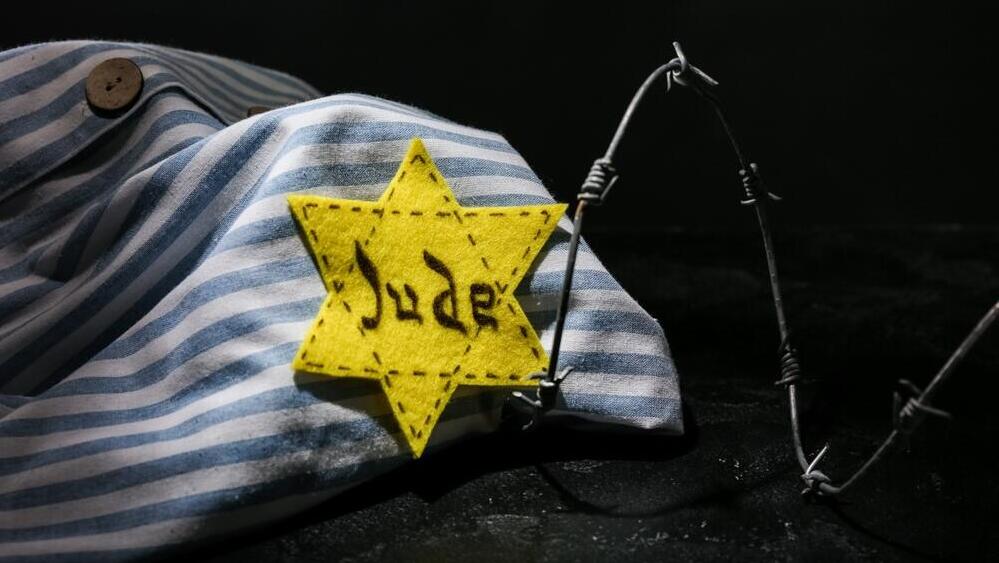
About half of Irish adults do not know six million Jews were murdered in the Holocaust
(Photo: Pixel-Shot, Shutterstock)
The findings were released ahead of International Holocaust Remembrance Day on January 27.
According to the survey, about half of Ireland’s adult population does not know that six million Jews were murdered in the Holocaust. Among respondents aged 18–29, more than a quarter believed fewer than two million Jews were killed. Nearly half of respondents in that age group said they had encountered Holocaust denial or distortion on social media.
The survey also found that 12% of all respondents said they had never heard of the Holocaust or were unsure whether they had heard of it. Among young adults, that figure rose to 15%.
The Claims Conference, founded in 1951 to negotiate compensation from Germany on behalf of Jewish Holocaust survivors, said the Irish findings mirror troubling trends seen in previous surveys in the United States and across Europe. Those studies showed high and often surprising levels of ignorance about the Holocaust, alongside widespread concern that a genocide on a similar scale could happen again.
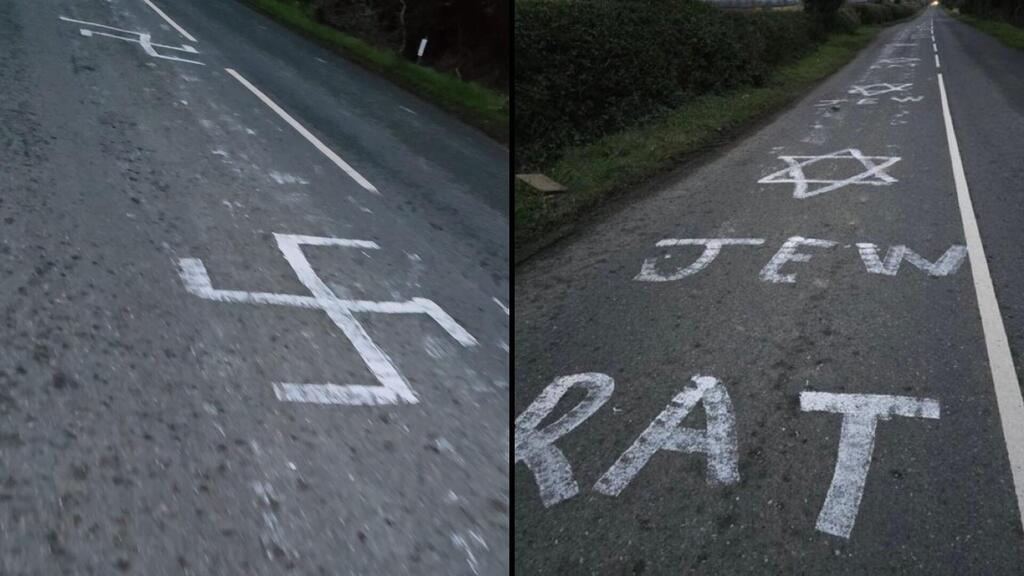
Graffiti reading 'Jew rat' and swastikas sprayed in Ireland this month
(Photo: X)
Despite the gaps in knowledge, the Irish survey found strong support for Holocaust education. Some 92% of adults said it is important to teach about the Holocaust, including as a way to prevent future atrocities, and 88% said the subject should be taught in schools.
“The levels of ignorance are deeply concerning, but the support for Holocaust education is encouraging,” said Claims Conference President Gideon Taylor. He said he hopes the findings will spur educators to strengthen Holocaust education using new technologies and modern communication tools.
“We are at a turning point,” Taylor said. “Soon we will be living in a world without Holocaust survivors, without the voice of a survivor.”