


A new interpretation of 3,000-year-old inscriptions from an ancient Egyptian turquoise mine in southern Sinai could provide the first evidence of the biblical figure of Moses, according to independent researcher Michael Bar-Ron.
He claims the inscriptions include the phrase “This is from Moses.” However, bold claims about biblical discoveries often lack scientific backing and remain speculative without rigorous evidence and peer review, making it premature to treat them as historical fact.
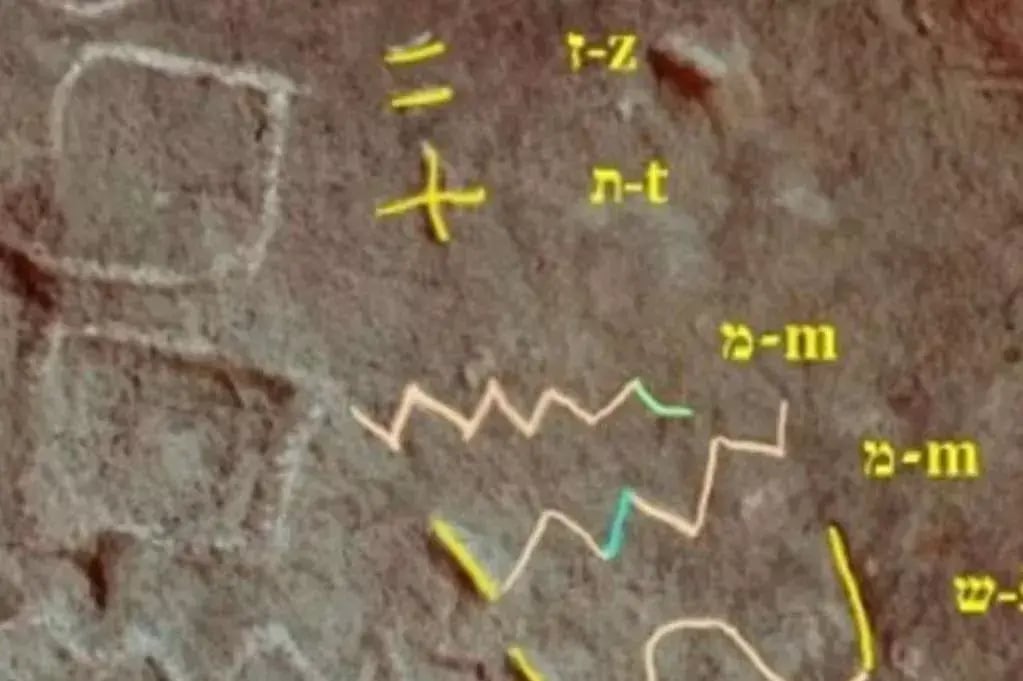
Discovered in the early 20th century at the Serabit el-Khadim archaeological site in the Sinai Peninsula, the inscriptions come from a turquoise mine used during Egypt’s Middle Kingdom (2040 BC-1782 BC). According to the British Daily Mail, Bar-Ron, who spent eight years analyzing high-resolution images and 3D scans, argues the inscriptions bear Moses’s signature.
He suggested their consistent linguistic style and structure indicate they were written by a skilled scribe familiar with Egyptian hieroglyphs, aligning with the biblical account of Moses being raised in Pharaoh’s palace.
Get the Ynetnews app on your smartphone: Google Play: https://bit.ly/4eJ37pE | Apple App Store: https://bit.ly/3ZL7iNv
Bar-Ron’s research, however, has not undergone peer review and faces sharp criticism. Dr. Thomas Schneider, an Egyptologist at the University of British Columbia, cautioned against “arbitrary identification of letters that can distort ancient history.”
Moses
(Illustration: Shutterstock)
In contrast, Bar-Ron’s academic advisor, Dr. Pieter van der Veen from the University of Mainz in Germany, expressed support. “You're absolutely correct, I read this as well, it is not imagined!" he said.
Bar-Ron re-examined 22 additional inscriptions from the site, which he claims bolster his hypothesis. If verified, this would mark the first direct archaeological evidence of Moses, a discovery with profound implications for biblical studies and world history. Experts, however, stress the need for further research and scientific scrutiny before accepting this extraordinary claim.