


Descendants of survivors of the Novogrudok labor camp in Belarus, along with Jewish organizations and Holocaust remembrance groups, have expressed deep shock over the sale of the site to a private developer who plans to build a paid interactive complex depicting Jewish life in the camp.
The site, where thousands of Jews were imprisoned during the Nazi occupation, is considered one of the symbols of Jewish resistance during the Holocaust. In 1943, after realizing they were doomed, about 240 prisoners spent nearly three and a half months digging a tunnel roughly 200 meters (650 feet) long beneath the camp's fences. The prisoners escaped through the tunnel.
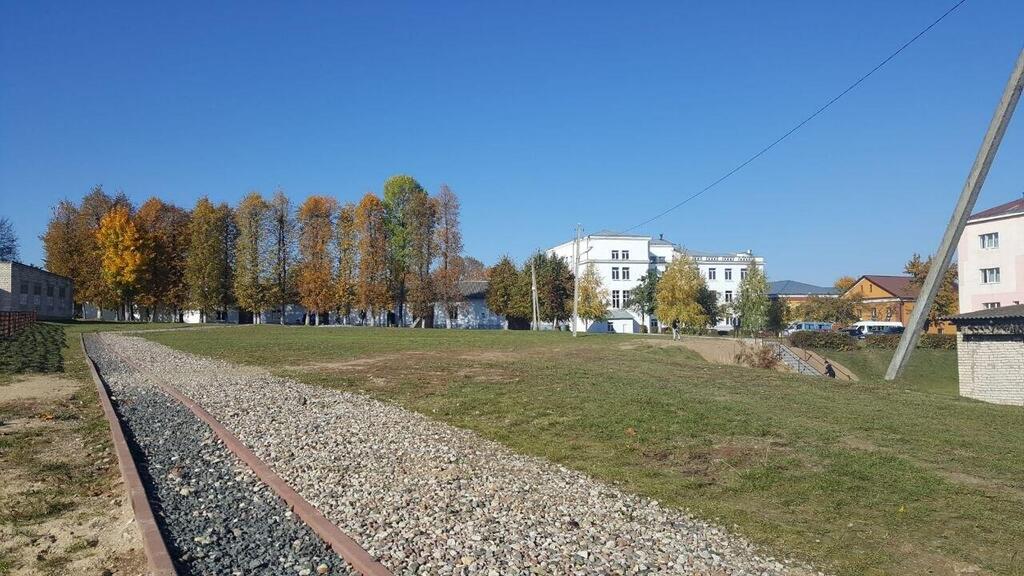
According to research published in Tunnel of Hope by Dr. Betty Brodsky Cohen, the daughter of one of the survivors, at least 133 of them survived the escape, making it the most successful known tunnel escape of the Holocaust. Many of the escapees later joined the Bielski partisan unit led by Tuvia Bielski, which rescued more than 1,200 Jews in the forests of Belarus.
For years, a small museum operated at the Novogrudok site, commemorating Jewish resistance and the daring escape. Descendants of the survivors maintain a close and personal connection to the site. They have visited it several times as an organized group and helped establish a memorial wall bearing the names of the escapees. In 2012, a documentary about the escape was filmed at the camp, featuring first-, second- and third-generation family members.
In 2025, an agreement was signed between the mayor of Novogrudok, representatives of the Jewish Religious Union in the Republic of Belarus and the interfaith Belarusian MIR Foundation to establish a museum dedicated to the Holocaust and resistance in Belarus at the site. However, in May this year it emerged that the property had been sold at auction to Belarusian American businessman Andrei Zapolski, president of Wurtland Oil Works.
According to a report published by Jewish News, the sale was completed in less than a minute and without competing bidders, allegedly without the knowledge of the organizations that signed the 2025 agreement or the descendants of the survivors.
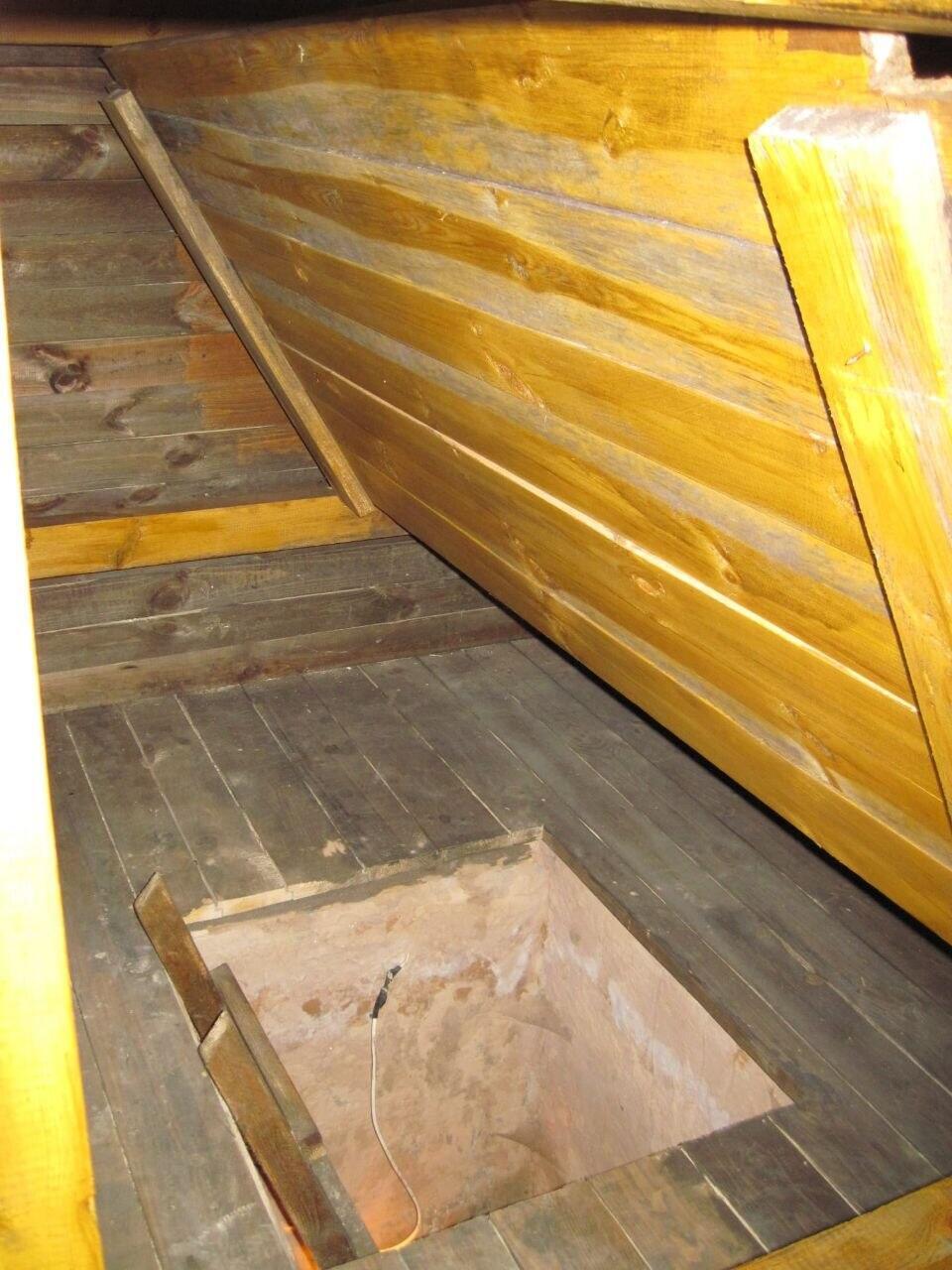
A structure at the site depicting the entrance to the tunnel beneath the prisoners' sleeping bunks
According to published reports, the new plan includes the construction of an "immersive" visitor complex that could feature mannequins, barbed-wire fences, sound effects, workshops simulating the lives of prisoners and a reconstruction of the escape tunnel as part of a visitor route. In addition, one of the buildings once used for Jewish forced labor could reportedly be converted into a hotel for visitors seeking a "full experience."
The move has sparked fierce opposition among survivors' families, who launched a petition signed by most descendant families. The petition argues that turning the site into a paid interactive attraction would constitute "a desecration of the victims' memory and the transformation of a human tragedy into an attraction."
"The camp and the surrounding buildings are not merely historical sites for us," family members wrote. "They are the last places that connect us to our parents and grandparents, to those who were murdered and those who fought for their lives. For us, this is a sacred place, soaked in the blood of our family members."
One descendant added: "We believe that any development of the site must be carried out with great sensitivity and with the involvement of the state, historians, educators and memorial institutions, not entrusted to private developers who can do as they wish. The site holds important potential for education, research and commemoration, but above all there is an obligation to honor the memory of those who perished, the legacy of the survivors and the sanctity of the המקום, and to ensure that the site remains dedicated to remembrance for future generations."
Yad Vashem said it had not been officially informed about the project, had not been asked to participate in its development and is seeking clarification about the new plans.
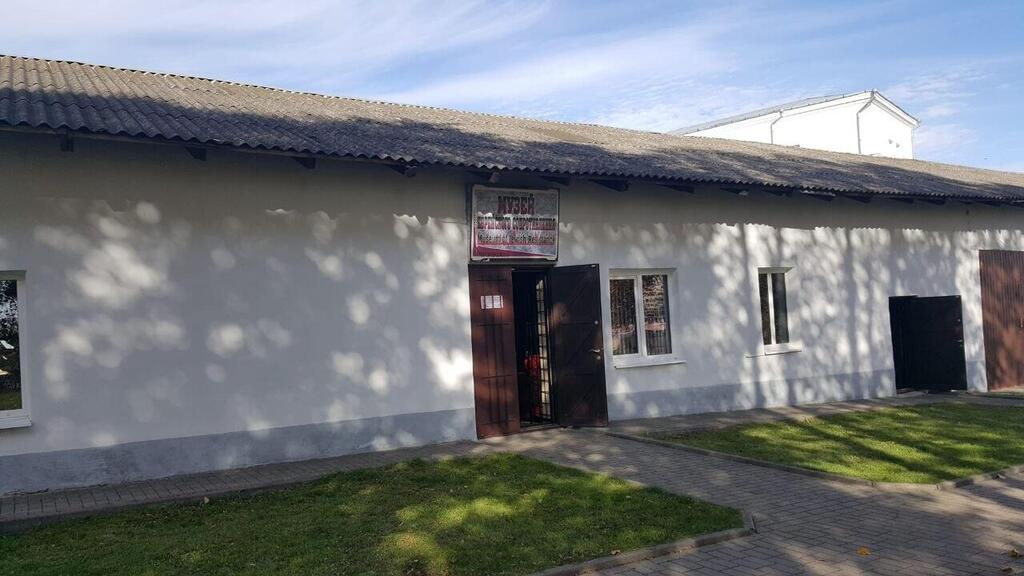
The camp and museum
Zapolski and his business partner, attorney Eugene Meltser, reject the criticism. They say the project is not an amusement park but a new Holocaust museum intended to operate on a nonprofit basis. However, they confirmed that the use of mannequins, barbed wire and other visual elements is being considered in order to create what they describe as the most authentic exhibition possible.
The controversy has raised difficult questions among Jewish communities and descendants of survivors: How could a site of such historical significance be sold to a private individual without consultation with the Jewish community, and is it appropriate to transform a place where Jews were murdered and where one of the Holocaust's most remarkable acts of resistance took place into a paid immersive attraction?
For many descendants of the survivors, the answer is clear.
"You cannot sell Holocaust memory or the memory of the victims," one descendant said. "And you cannot recreate the horrors of the Holocaust as an experience. A site of remembrance and commemoration should not charge admission. This is a sensitive and deeply human story that shaped who we are as second- and third-generation descendants, and it must be approached with reverence. This should shake the conscience of anyone for whom Holocaust memory matters. We hope the site will return to what was originally agreed upon: a public, supervised memorial museum."