


For many Haredi women, a wig is not simply a fashion accessory. It is a religious requirement and an essential part of married life. But as prices for high-quality wigs climb into the tens of thousands of shekels, a growing dispute has emerged over whether the industry has gone too far.
Attorney Nechama Tzivin, a longtime Chabad member from Kfar Chabad, is seeking rabbinical intervention over what she describes as “unreasonable” prices. She plans to petition Chabad rabbinical courts and ask them to recognize wigs as a “necessity of life” under Jewish law, a status she believes could justify price controls.
Gallery
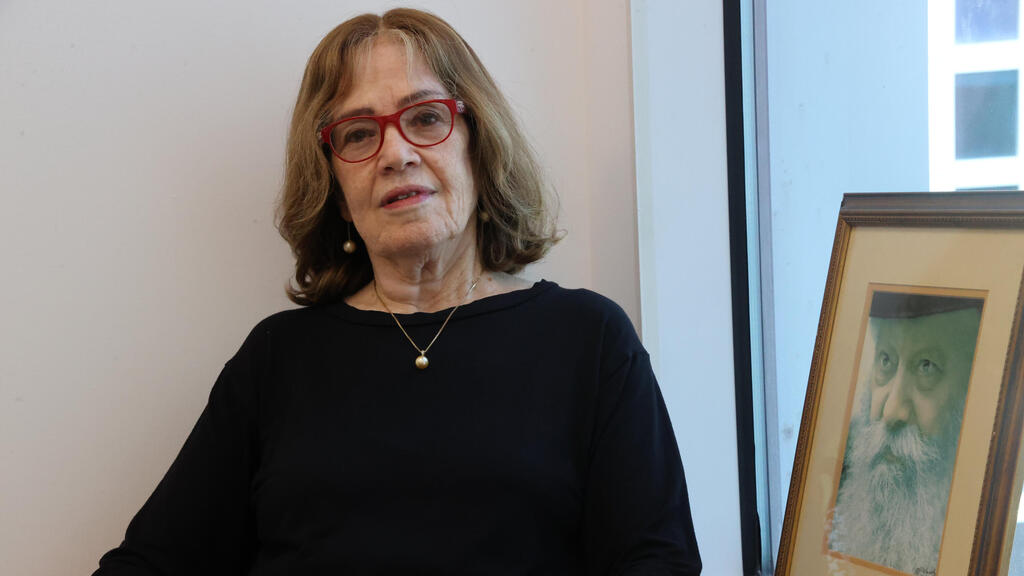
Attorney Nechama Tzivin next to a portrait of the Lubavitcher Rebbe, who instructed women to wear wigs
(Photo: Moti Kimchi)
“When I was young, I bought wigs that cost a few thousand shekels,” she said. “Today, women are paying tens of thousands of shekels for a head covering that looks like natural hair.”
According to Tzivin, the dramatic rise came as wigs became increasingly realistic.
“As wigs became more natural and looked more like real hair, prices rose dramatically,” she said. “We examined the issue, and the costs do not justify this jump.”
She said the expense has become one of the biggest financial burdens facing young brides and their families.
“The bride pays, but it does not stop there. The mother, sisters and the entire family often carry the cost,” she said.
Tzivin compared today’s prices with previous decades. When she married around 50 years ago, wigs were much less advanced but significantly cheaper. Even when her daughters married in the early 2000s, she said, the expense remained manageable.
“My last wig, which I bought three years ago, cost 18,000 shekels ($5,300),” she said. “The previous one cost around 5,000 or 6,000 shekels ($1,500-$1,800). Today, the average price for a wig in Kfar Chabad is around 30,000 shekels ($8,800), and there are wigs that reach 40,000 shekels ($11,800).”
She argues that wigs should not be treated like ordinary consumer products because, for many women in her community, they are connected to religious observance.
“People ask why this needs to be regulated. They say that just as someone can buy a million-shekel car or a cheaper one, the same applies to wigs,” she said. “But that comparison is wrong. A car, a home or cosmetics are not a religious commandment. For a Chabad woman, a wig is a basic product. In halachic language, it is a product of life necessity.”
Tzivin emphasized that her campaign is not against businesses earning a profit.
“We are not asking anyone to sell at a loss,” she said. “If the cost is 20,000 shekels ($5,900), there can be a reasonable profit. But selling it for 40,000 shekels ($11,800) simply because it is connected to a religious obligation is unacceptable.”
She claims some wigs involve profit margins of 200% to 300% and says the costs continue after the initial purchase.
“It does not end with the wig itself. Customers are offered maintenance products, treatments, serums and accessories,” she said. “Products that can be bought online for dozens of shekels are sold by wig makers for hundreds.”
A global debate
Tzivin said the issue extends beyond Israel. She was recently contacted by a Haredi activist in France who described a similar struggle over wig prices.
Guila Maman, founder of the French FairWigs organization, praised Tzivin’s campaign and said many women feel trapped by the financial burden.
“Many women feel trapped, silenced and alone in front of the dictatorship of wigs,” Maman wrote, according to Tzivin.
The organization provides assistance including free wigs, repairs and legal support for women facing disputes with manufacturers.
Tzivin stressed that her criticism is not aimed at women who want high-quality wigs.
“There is nothing wrong with wanting to look beautiful,” she said. “Religious women also want to feel good about themselves and look their best. But head covering is a religious obligation, and fulfilling it should remain accessible.”
Wig makers defend prices
Wig makers reject claims that customers are being exploited and argue that the industry has changed significantly.
Zehava Weizman, who has operated a boutique wig business for 30 years, said rising prices reflect higher demand, improved quality and increased production costs.
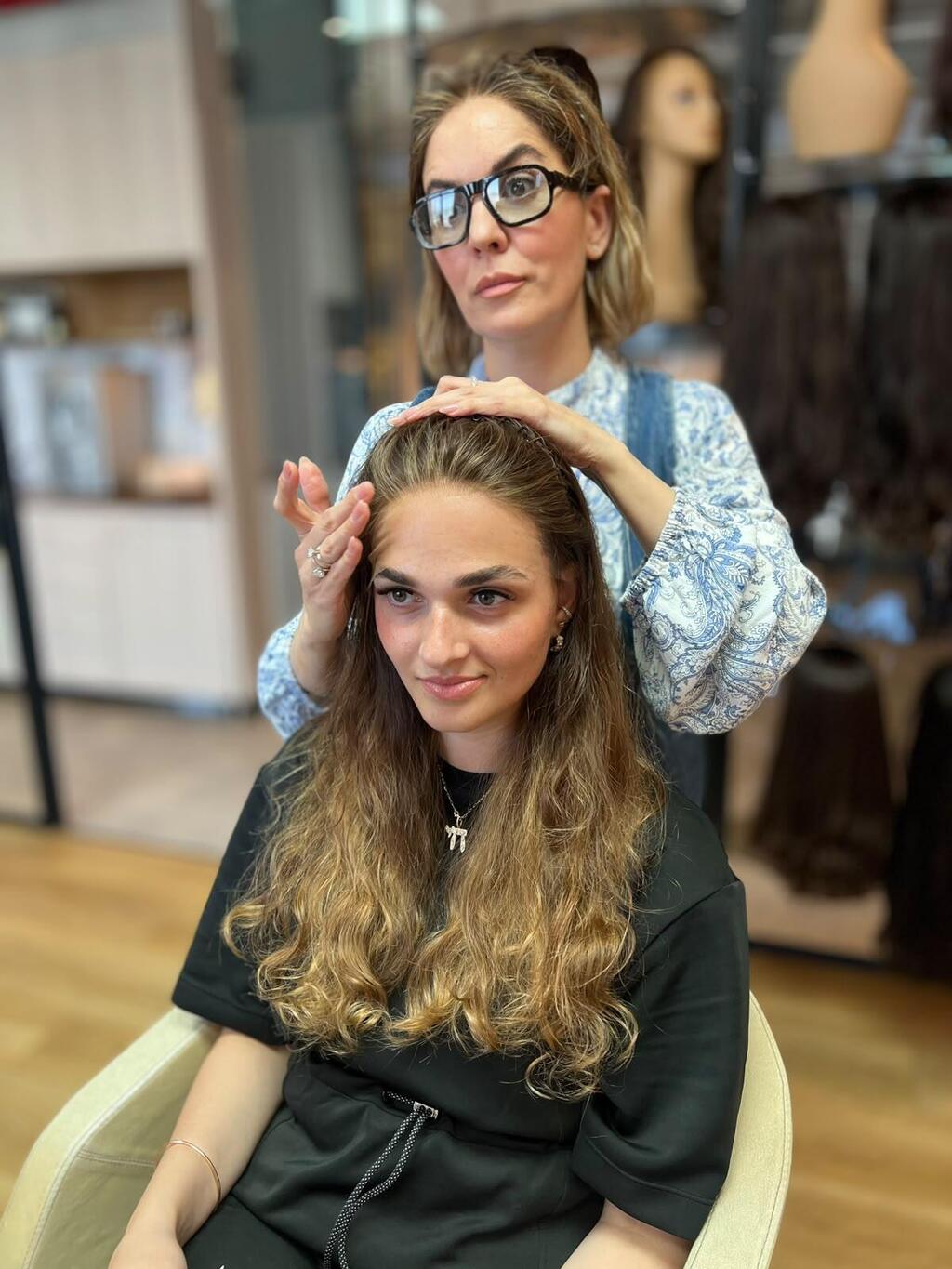
Zehava Weizman, owner of a wig business for 30 years
“Demand has increased, and the level of production and quality has also increased,” she said. “Customers want the highest-quality hair.”
She said the raw material itself has become far more expensive.
“Like diamonds, this is a rare raw material, except here it is human hair,” she said. “Twenty years ago, we paid around $400 per kilogram for hair. Today, we pay $6,000 to $7,000 per kilogram just for the raw material.”
Weizman added that much of the imported hair cannot be used.
“When the raw hair arrives, around 70% is unsuitable for the wigs we produce in Israel,” she said.
She also said production has shifted from overseas factories to Israeli workshops, increasing labor costs.
Weizman compared wigs to other handmade luxury items.
“People understand why a wedding dress can cost 17,000 or 18,000 shekels ($5,000-$5,300) even though it is worn for only a few hours,” she said. “A wig is a product that requires many hours of work, and the work continues after delivery with repairs, adjustments and finishing.”
She rejected accusations that wig makers take advantage of religious women.
“Women today invest more in their appearance, but that does not mean we exploit them,” she said. “A wig is part of how many women fulfill their religious obligations in a dignified and beautiful way.”
One exception already exists: the Gur Hasidic community has established maximum prices for wigs. In many other Hasidic communities, however, prices remain significantly higher.
Tzivin believes rabbinical intervention can change the market.
“I believe this struggle will succeed,” she said. “This is an opportunity for rabbis and judges to do the right thing, based on Jewish law, for tens of thousands of women who are waiting for someone to address this problem.”