


The dispute over the future of the historic Jewish cemetery in Snipiskes, Vilnius, is escalating, with U.S. Special Envoy to Monitor and Combat Antisemitism Rabbi Yehuda Kaploun warning Lithuania against reviving plans to turn an abandoned Soviet-era sports and concert hall on the site into a conference center.
His intervention comes about a week after protesters in the Lithuanian capital called on the government to resume the redevelopment plan. The demonstration, organized by the National Forum movement, urged authorities to renovate the former Vilnius Palace of Concerts and Sports and convert it into a conference venue, even as a final parliamentary decision on the site has been postponed until the fall.
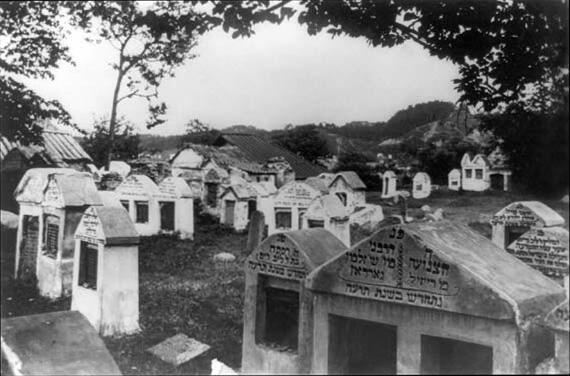
The Soviet-built structure stands in the heart of the historic Snipiskes Jewish cemetery, also known as Piramont, where the Vilna Gaon was once buried. Lithuania’s parliament discussed in May the possibility of restoring the building and turning it into a national conference center while incorporating elements commemorating Jewish and Lithuanian history.
Jewish organizations have strongly opposed any new development on the grounds, arguing that further activity could disturb remaining graves and perpetuate the desecration of a cemetery that was largely destroyed during the Soviet period.
Kaploun has now taken the dispute directly to the Lithuanian government. In a letter to the culture minister, he said he was “deeply troubled” by recent statements about the site’s future and stressed that, by the minister’s own description, it is not “just another building” but a place of religious and historical significance that requires protection and preservation.
He was particularly critical of the possibility of turning the site into a conference center.
“Any decision recommending the development of a conference center on the cemetery grounds will send a clear message to Jews around the world, not only that cemeteries may be desecrated, but that the rich, 600-year history of the country’s Jews before the Nazi regime is meaningless,” Kaploun wrote.
The U.S. envoy urged the Lithuanian government to oppose any parliamentary measure that would allow the site to be used for purposes incompatible with its character as sacred ground. He said that included turning the sports and concert hall into a conference center or any other commercial or cultural facility.
“A cemetery is sacred ground to all human beings,” Kaploun wrote. “No government, institution or even communal organization claiming to represent the needs of Jewish citizens can permit its desecration.”
The Snipiskes cemetery is considered one of Vilnius’ oldest Jewish burial grounds. It dates back to the 15th century and was used for centuries, with many prominent members of the city’s Jewish community buried there. Grave remains are still believed to exist at the site, despite the extensive destruction carried out under Soviet rule.

US Special Envoy to Monitor and Combat Antisemitism Rabbi Yehuda Kaploun
In 1971, Soviet authorities built the Vilnius Palace of Concerts and Sports on part of the cemetery. The large arena once hosted sporting and cultural events but has stood abandoned for years. The argument over what to do with it has since become a wider dispute over Lithuania’s treatment of Jewish heritage.
During parliamentary discussions, supporters of redevelopment proposed combining a conference center with cultural, educational and memorial spaces. Opponents insist that the site should be used only for preservation and commemoration of the cemetery and Vilnius’ Jewish community.
The parliamentary decision was postponed until the fall, leaving the future of both the abandoned hall and the surrounding cemetery unresolved.
Kaploun ended his letter with an unusually stark warning, invoking the Book of Genesis: “The voice of your brother’s blood cries out to me from the ground.”
“Now, too, the blood of every Lithuanian Jew who was denied a proper burial during the Holocaust cries out to us,” he wrote. “Any attempt to continue desecrating this cemetery is a disgrace to the Lithuanian government and will be met with opposition. The blood of an entire people demands nothing less.”