


Fifty-three startups founded by Haredi entrepreneurs who participated in the BizLabs mentorship program have raised more than $62 million since 2019. Half are already operating in international markets, while 93% remained active one year after completing the mentorship, according to figures released at the conclusion of the program’s seventh cohort, run by the Kemach Foundation, the Jerusalem Development Authority and Achim Global.
The program was launched in 2019 following research that found that 94% of startups established by Haredi founders and receiving an initial investment had closed within less than a year.
BizLabs invited early-stage entrepreneurs to present their ideas and provided those selected with guidance on establishing their companies, expanding operations, finding investors and developing their businesses.
The results mark a dramatic reversal. Only 7% of the participating companies closed within a year, while the overwhelming majority continued operating.
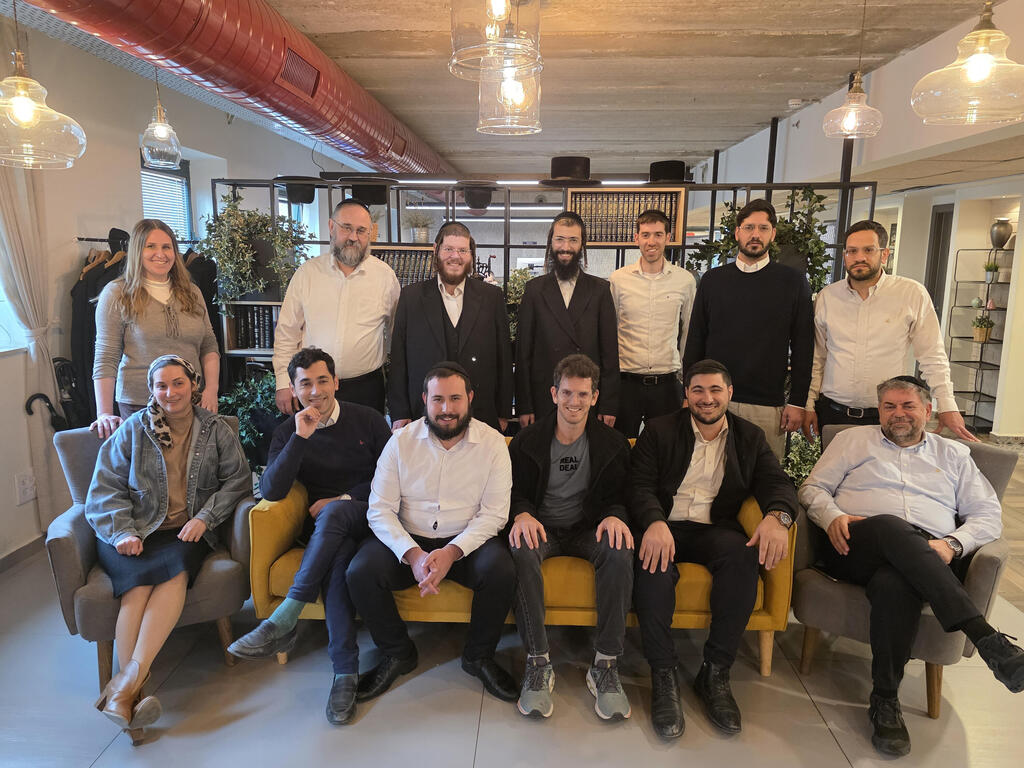
The seventh cohort included eight Haredi entrepreneurs developing ventures in artificial intelligence, digital health, fintech, e-commerce and business software. At the program’s closing event, the graduates presented their startups to investors and senior figures in Israel’s high-tech industry.
Among them was Avraham Yosef Ferster, CEO of DoNext. “I followed the classic path through Hasidic educational institutions, yeshiva and kollel,” he said. “When I decided to enter the workforce, I completed a relatively short course of study and quickly began providing strategic guidance to nonprofit organizations and other groups.”
It was there, Ferster said, that he identified a major unmet need. “They were not realizing the enormous potential of the digital world,” he said. “My venture helps them do that. Today, I work with some of the largest nonprofits in Israel, as well as clients abroad and across all sectors.”
Ferster said he understood from the beginning that his professional success would be measured alongside his decision to retain his Hasidic identity. “Early on, I realized that there was a perception in the Haredi community that succeeding in business required giving up Hasidic dress,” he said. “I decided that I was not going to change. I believed that my Hasidic identity and appearance had no bearing on my ability to succeed, and, thank God, I have made it this far.”
“I would not say it never presented a challenge,” he added, “but I refused to give up either my Hasidic way of life or my success.”
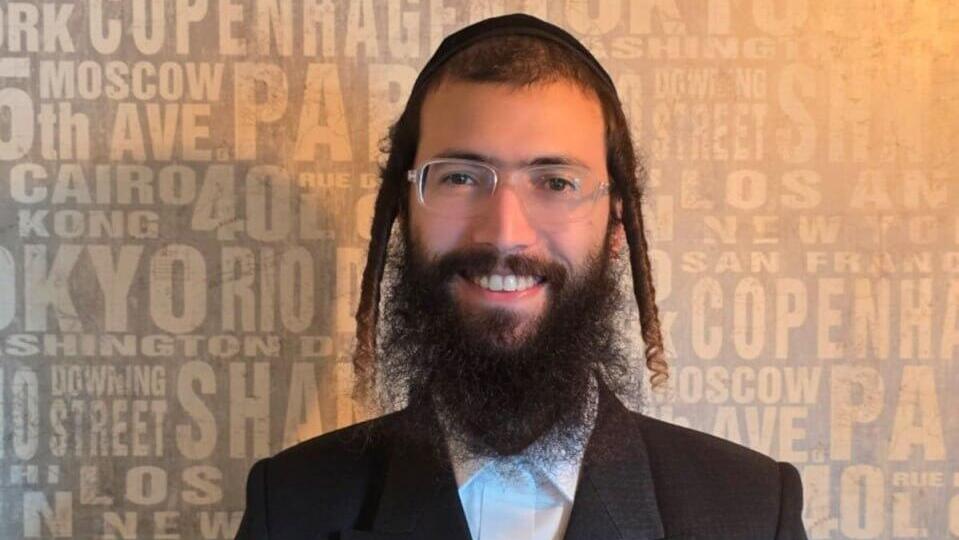
Avraham Yosef Ferster
Shira Haberman Kaminsky, co-founder of TabuFy, also described her transition from the traditional Haredi educational track to entrepreneurship.
“I grew up and was educated in Haredi institutions,” she said. “I attended a Beit Yaakov school and later studied at a Lithuanian Haredi seminary. After getting married, I studied business administration and worked at a bank.”
“When I began searching for my own professional direction, I retrained in user experience, design and digital product development,” she said.
The idea for TabuFy emerged after a real estate entrepreneur approached her husband in search of a technological solution for extracting information from Israeli land registry documents. “When we began exploring the field, we realized that this was a much broader problem affecting many professionals,” Kaminsky said.
That insight led to the creation of TabuFy, a platform that converts complex land registry documents into organized, accessible information, saving users time and helping them make business decisions more efficiently.

Shira Haberman Kaminsky
The path was not easy, she said. “I am a mother of two, and combining family life, work and building a startup was a significant challenge,” Kaminsky said. “When we joined BizLabs, we had an idea and an initial product. The program gave us the tools, guidance and connections that turned it into a real business.”
“It expanded our perspective and taught us to think bigger, understand the market, approach investors and build the company on a professional foundation,” she added. “We now have active customers, and it still feels as though we are only getting started.”