


The fact that ultra-Orthodox men who have not reported to IDF enlistment offices are unable to leave Israel is already well known within the Haredi community. However, in recent days the issue has become a central topic of discussion after rabbis and Haredi public figures warned that it is also creating a crisis in matchmaking, particularly within Hasidic communities that maintain close ties with communities abroad.
However, the focus on matchmaking during wartime has triggered a wave of criticism among ultra-Orthodox communities in the United States. Many argued that while soldiers are being killed in combat and tens of thousands of reservists are spending months away from their families, concentrating on international matchmaking difficulties reflects a disconnected sense of priorities.
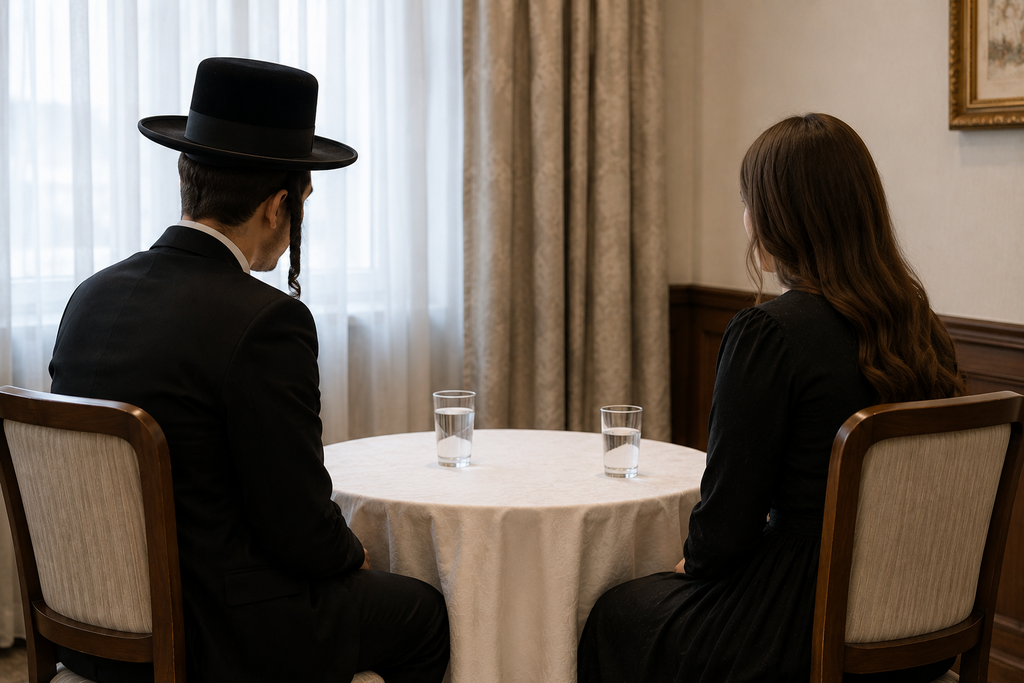
A few days ago, the Haredi website Kikar HaShabbat published an article titled: “The quiet decree no one is talking about: How the ‘draft law’ became an unprecedented matchmaking crisis in the Hasidic world.”
In an interview with Kikar HaShabbat, Rabbi Shlomo Weiss, spokesperson for the Vizhnitz Central Hasidic community, said: “There is a deep issue in the Hasidic sector that is not widely discussed in the media. In the Hasidic world, it is customary to arrange international matchmaking within communities. Most large Hasidic groups have extensive communities abroad, such as in Borough Park, Williamsburg, London, Antwerp and Montreal. These internal marriages are a routine practice.”
Rabbi Weiss added that even young married couples living abroad are hesitant to travel to Israel, fearing possible detention upon arrival. “A young yeshiva student who wants to come to Israel to visit his parents, attend holidays, or be in the presence of his Rebbes is prevented from landing in the country, because the moment he arrives at Ben Gurion Airport he will be arrested as a draft evader,” he said.
Rabbi Weiss also expressed concern that yeshiva students and married students could be detained during the “bein hazmanim” vacation period, when they take a short break from their studies.
'Please explain the matchmaking issue to the soldiers in Lebanon and Gaza'
The article quickly sparked controversy abroad as well. The American Haredi outlet VinNews published excerpts, and reactions were swift, with many users sharply criticizing the focus on a matchmaking crisis during wartime. "I know religious families who have sons who won’t be able to get married even after this 'crisis' ends. They died in Gaza and Lebanon,” one commenter wrote.
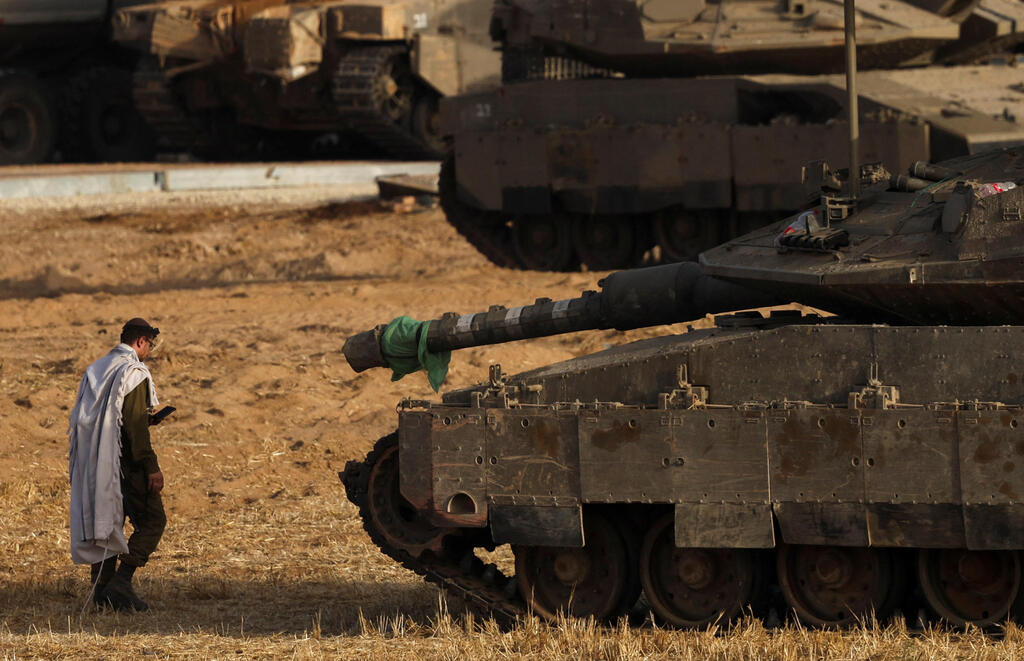
A soldier praying next to a tank on the Gaza border
(Photo: REUTERS/Ronen Zvulun)
"And what of the thousands of Frum soldiers who can’t be involved in Shiduchim because – hmm – they’re busy defending the lives of their fellow Jews, including those ingrates like the ones in this article? Cry me a river – I have less than zero sympathy for entitled spoiled brats like the Vizhnitz spokesperson in this article," another commenter wrote.
Another wrote: "Please explain this problem of shiduchim to chayalim (soldiers) in Lebanon, Gaza and other dangerous places where they are being attacked by explosive drones, RPGs, automatic weapons etc and are suffering in all kinds of ways."
One commenter directed criticism at the rabbinic leadership, calling on it to engage more closely with the reality of Haredi soldiers serving in the IDF. "Having spoke to a number of soldiers in Hashmonaim who are defending the Jewish people whilst remaining Charedi Jews. 3 minyan a day. Learning Seder no women. I suggest some of these rabbis visit Hashmonaim itself without relying on rumors and half truths about charedim in the army."
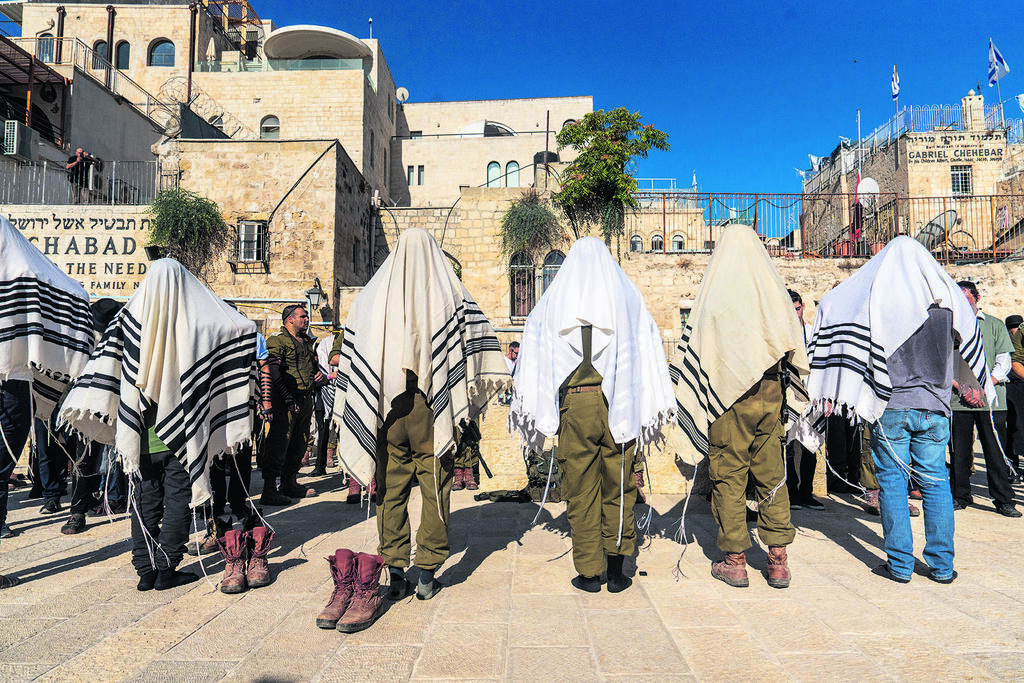
Soldiers in the Hashmonaim Brigade designed for ultra-Orthodox (Haredi) soldiers
(Photo: Shalev Shalom)
Additional comments echoed the same sentiment. "This disconnect of this article to the actual matzav is truly astounding. Your brothers are leaving their families to defend your lives for over two years now – getting limbs blown off, dying- and you are crying for sympathy for not being able to travel for a wedding?" one commenter wrote.
A similar tone of criticism was also heard on the popular Haredi website Yeshiva World News. One commenter cited the rabbi’s reference to the principle “Give me Yavneh and its sages,” and responded: "Exactly – which was the minimal acceptable ask of the emperor … I don’t think R Yochanan b Zakkai asked for school tuition, kindergarten subsidies and army exemptions for all students."
Other commenters summarized the sense of anger in the following words: "Boy, times must be really good if international shidduchim are your biggest problems. Show some rachmanus for the couples already married. Some fathers, like my son, are being called in for their fourth round of miluim. It would be better if unmarried men stepped in from time to time to ease their burden..."My goodness, no trips to Tiveria? Maybe try Lebanon or Gaza."