


The State Museum at Majdanek in Poland has launched Digital Majdanek, a new online portal providing free access to thousands of documents, photographs, testimonies and original artifacts from the Majdanek concentration and extermination camp (Lublin concentration camp) as well as the Bełżec and Sobibór death camps.
The initiative is one of the most comprehensive Holocaust digitization projects undertaken in recent years. Its goal is to make rare historical materials accessible to the public, many of them never before displayed, while supporting research, education and the preservation of Holocaust memory.
Gallery
The State Museum at Majdanek in Poland has launched Digital Majdanek, a new online portal providing free access to thousands of original artifacts from the Majdanek concentration camp
(Photo: Digital Majdanek)
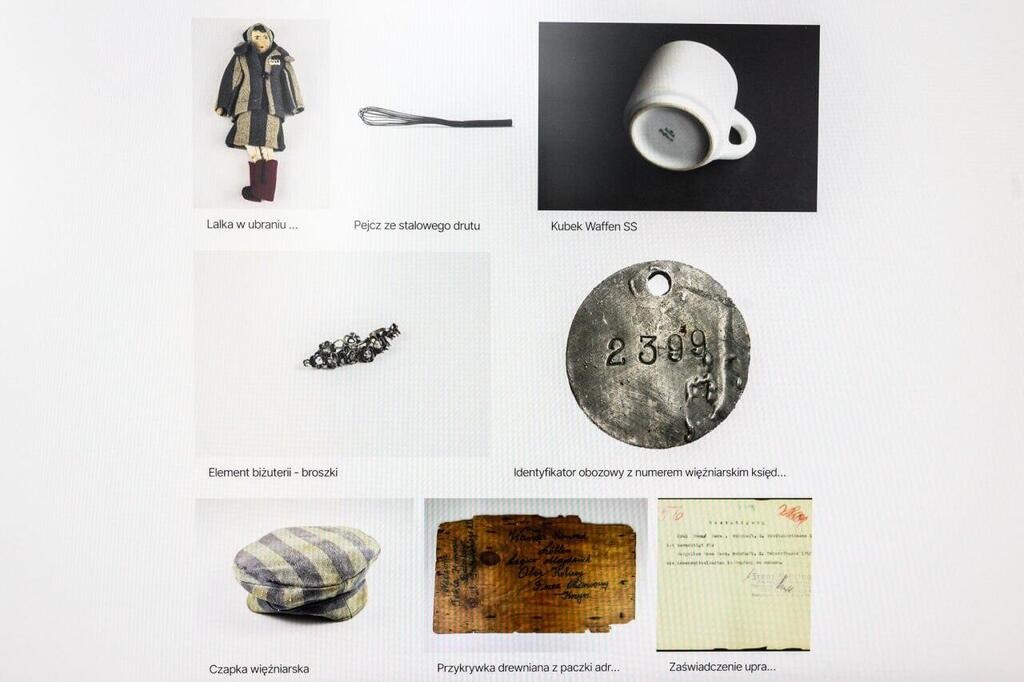
In its initial phase, the archive contains detailed information on about 300 items, though museum officials stress this is only the beginning. The collection will continue to expand with additional documents, photographs, artifacts and testimonies, accompanied by detailed historical context for each item.
The project is part of Poland's Infrastructure of Culture 2026 program run by the Ministry of Culture and National Heritage. As part of the initiative, the museum established a state-of-the-art digitization studio equipped with professional scanners and advanced imaging systems capable of producing exceptionally high-resolution scans, preserving colors and fine details and digitizing films and recorded testimonies from camp survivors.
In its initial phase, the archive contains detailed information on about 300 items, though museum officials stress this is only the beginning
(Photo: Digital Majdanek)
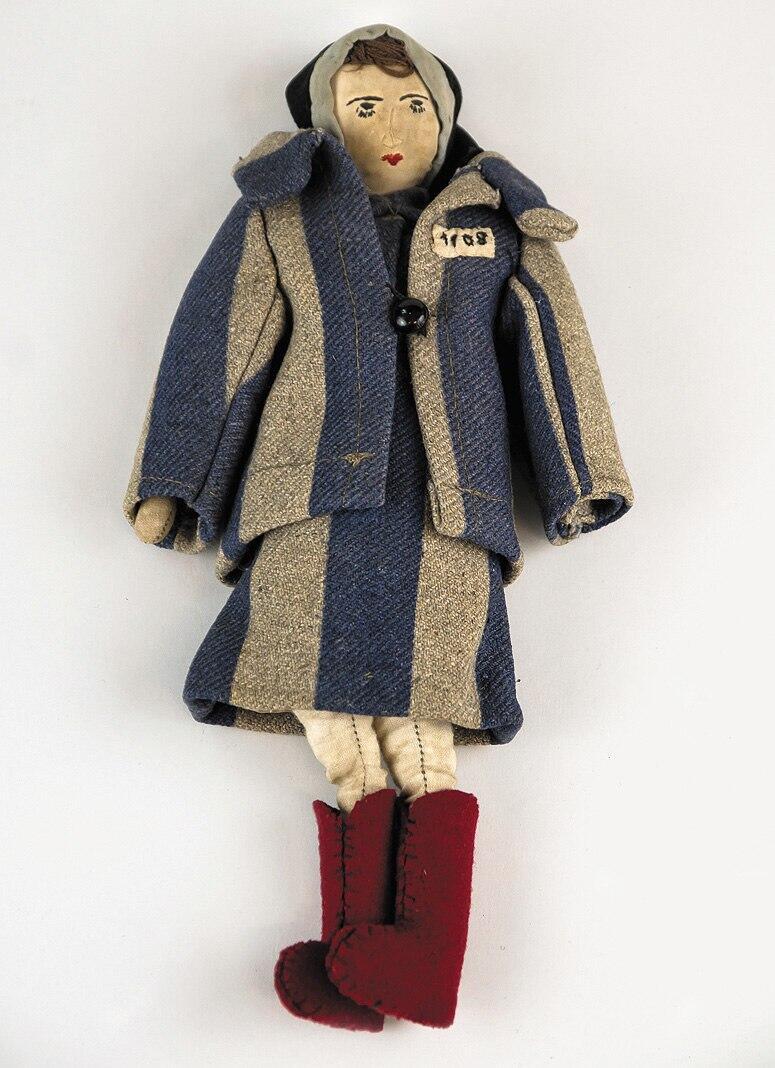
Among the most striking objects is a rag doll secretly sewn by female prisoners at Majdanek. The doll wears an authentic prisoner's uniform made from original camp fabric bearing prisoner number 1108. Made of canvas and silk, stuffed with rags and missing its left arm, the doll shows visible signs of wear on its face and red boots, reflecting both the passage of time and the harsh conditions under which it was created.
Another featured artifact is a white porcelain mug used by members of the Waffen-SS. Holding roughly half a liter, it was likely used in the SS canteen or camp barracks. The base bears a crown emblem, the manufacturer's name "Victoria" and the inscription "Waffen SS," offering a tangible glimpse into the daily lives of those who operated the Nazi killing system.
The doll wears an authentic prisoner's uniform made from original camp fabric bearing prisoner number 1108
(Photo: Digital Majdanek)
The archive also includes the original identification tag of prisoner Emilian Kutz, stamped with prisoner number 2399, alongside an original striped prisoner's cap made from the blue-gray denim fabric typical of Majdanek uniforms.
Among the most moving items is the wooden lid of a food crate sent to prisoner Wanda Konrad through the Red Cross. Handwritten inscriptions, including the camp address and sender's details, remain visible on the wood, providing a rare reminder of the limited contact prisoners maintained with their families.
A drawing of a prisoner in 1943
(Photo: Digital Majdanek)
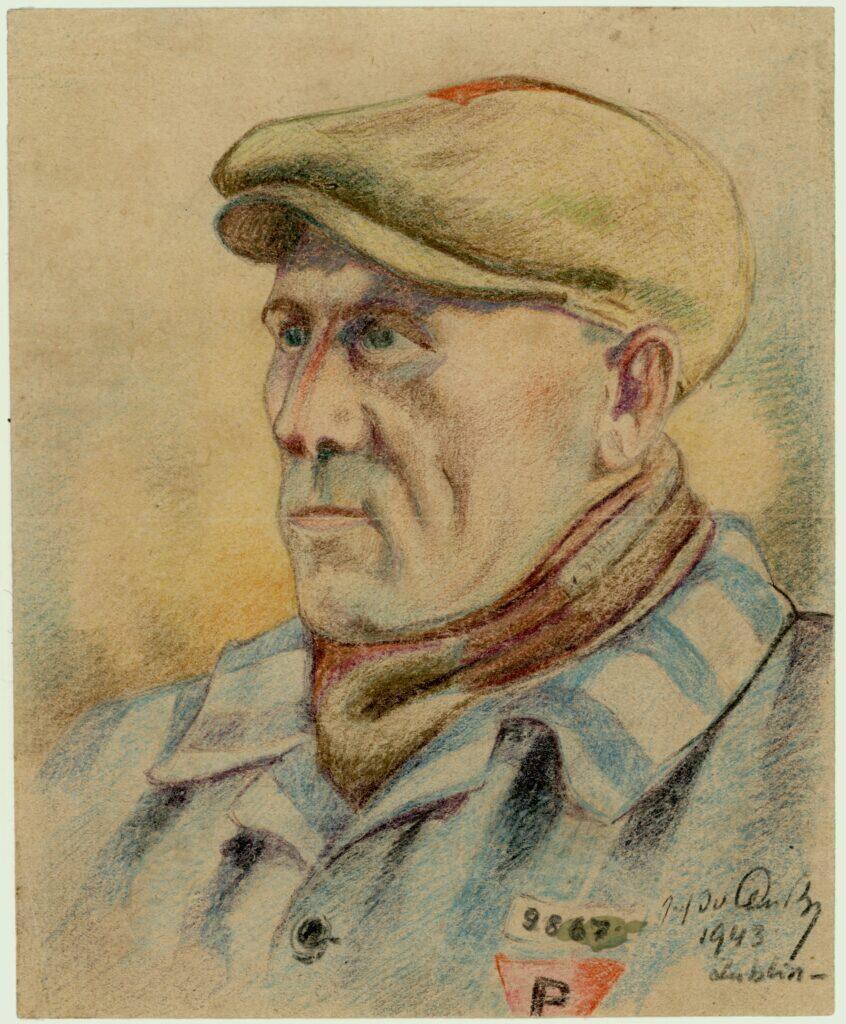
The portal also unveils dozens of artworks secretly created inside the camp despite the mortal danger faced by their creators.
Among them is a pencil portrait of prisoner Stanisław Idzikowski, drawn by another inmate who signed the work "Johnny." Idzikowski is depicted in a striped prison uniform, with both his prisoner number and the triangle identifying his prisoner classification clearly visible.
Portraits of other prisoners, including Maria Jochman, Bogusław Maliszewski, Michał Rosina and Sławomir Turowiński, are also featured alongside sketchbooks, caricatures and drawings documenting daily life in the camp, roll calls, forced labor, hunger and violence. Some employ dark humor and satire as a means of psychological survival.
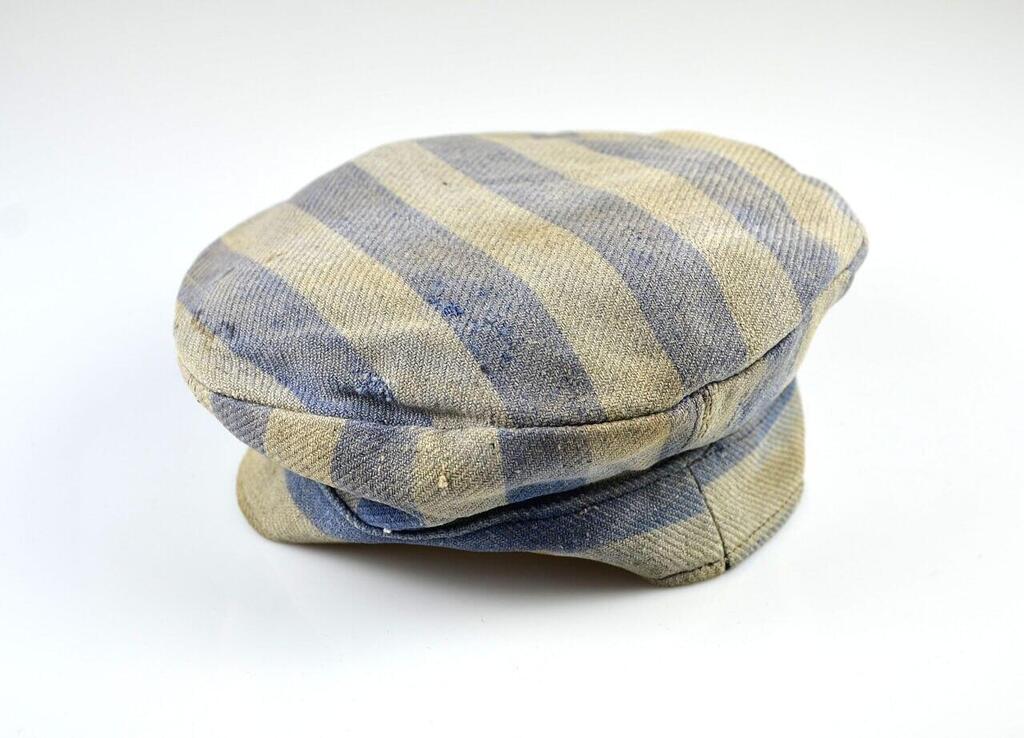
Prisoner's hat
(Photo: Digital Majdanek)
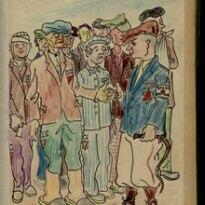
One of the archive's most unusual works is a piece titled "Krysia Must Have a Brother," an improvised comic-strip-like creation made by prisoner Andrzej Janiszek in 1944. Produced in both color and pencil versions, the work unfolds like a film strip, with dozens of illustrated frames portraying life in Majdanek: prisoners being whipped, the smoking crematorium chimney, guard towers, the gallows, forced labor and SS personnel, interwoven with illustrated songs and hidden personal messages.
The collection also includes poems written by prisoners, religious artwork depicting Jesus on the cross and the Madonna against barbed wire fences, jewelry crafted by inmates under camp conditions and rare courtroom sketches made during the trials of Majdanek SS personnel held in Lublin in late 1944. Among the defendants portrayed are Wilhelm Gerstenmayer, Hermann Vogel, Anton Terrens, Theodor Schulz and Heinz Stolp, some of whom were sentenced to death and executed near Majdanek's crematorium.
Museum officials emphasize that making these collections available in high-quality digital form is not merely a technological achievement but an important tool in the fight against Holocaust denial and historical oblivion. By allowing anyone in the world to examine the original artifacts, learn their stories and understand their historical context, they say the project will help preserve the memory of the victims and deepen research into one of history's greatest atrocities.