


Belgian soldiers deployed to protect Antwerp’s Jewish quarter intervened Friday night after a 28-year-old man allegedly threatened several Jewish residents with an emergency hammer and tried to assault an elderly Orthodox Jew.
The suspect, who is known to police from previous offenses, was detained by soldiers until officers arrived and arrested him for questioning. No injuries were reported.
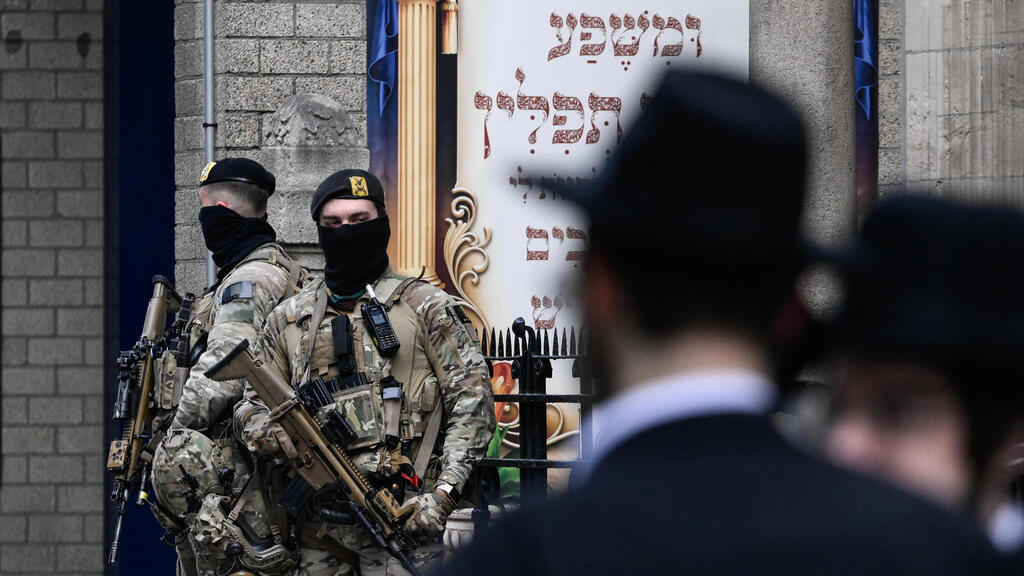
According to Antwerp police, the incident began at around 8:20 p.m. on Friday on Lamorinièrestraat, one of the main streets in the city’s Jewish neighborhood. Police spokesman Wouter Bruyns said the man began harassing members of the community, threatened one person with an emergency hammer, knocked another man’s hat from his head, shoved a passerby and threw traffic signs to the ground.
Soldiers stationed in the area since March as part of heightened security around Jewish institutions and communities quickly intervened, restrained the suspect and called police.
“The suspect was arrested and will be questioned,” Bruyns said. “He is known to police, including for public nuisance and drug-related offenses.”
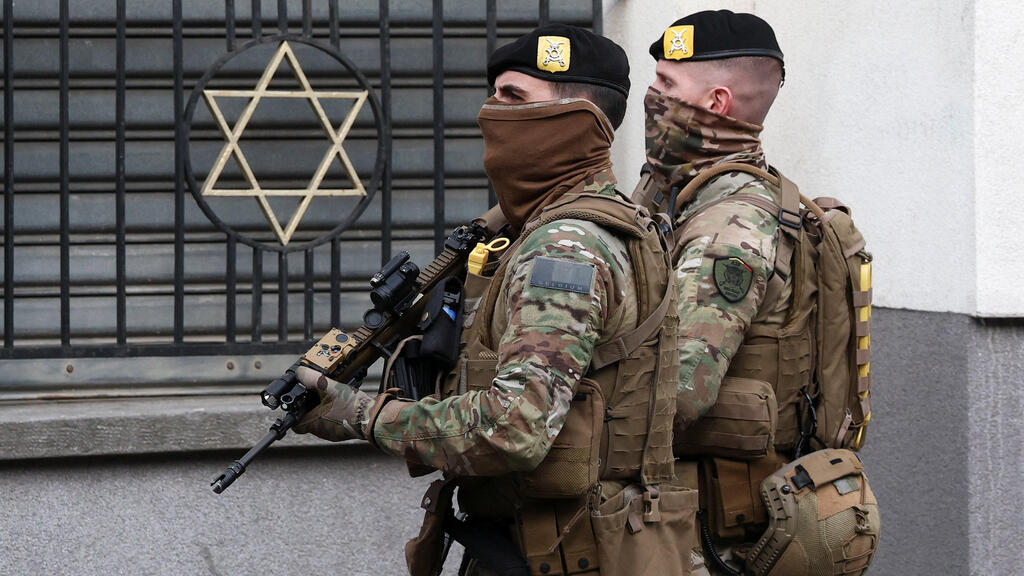
(Photo: Yves Herman/Reuters)
Witnesses said the man attempted to flee after noticing the soldiers. Moments earlier, they said, he had tried to strike an elderly Orthodox Jew.
“He tried to hit him in the face, but missed and only knocked off his hat,” one witness said. “It was lucky the soldiers were there. Who knows what would have happened otherwise.”
The additional security presence in Antwerp follows a series of antisemitic incidents across Europe in recent months. On March 9, an explosion occurred near a synagogue in the Belgian city of Liège.
Residents of Antwerp’s Jewish district said the soldiers’ presence has increased their sense of security.
Tzvi Graszkopf, chairman of the Antwerp branch of the Jewish community security group Shomrim, said protection around the community had been significantly reinforced since March following the Liège synagogue explosion and a rise in antisemitic incidents.
Residents, he said, are “satisfied and feel safer” because of the permanent presence of security forces.