

“I have no doubt we will see many more Jews here. I have no doubt we will see a stronger identity here, and I have no doubt we will make the effort. Within five years, with God’s help, most Jews will live in Israel,” Yaakov Hagoel, chairman of the World Zionist Organization, said Tuesday in a wide-ranging interview with ynet’s studio. He addressed the current state of Zionism, the challenges facing Diaspora Jewry and Israel’s central role in the present era.
According to data from Israel’s Central Bureau of Statistics, about 15.8 million Jews live worldwide, more than 7 million of them in Israel, roughly 44%. Watch the full interview:
Yaakov Hagoel interview at ynet's studio


Hagoel emphasized that the Zionist movement is a living, dynamic organization that has remained connected to changing realities for more than 120 years. “We are always examining ourselves. Our organization is very democratic, rooted in the First Zionist Congress founded by Herzl in 1897. We convene every five years, review ourselves and adjust a bit to the right, a bit to the left, a bit forward, a bit back. Zionism is a living organization, it exists and, most importantly, it moves forward,” he said.
He added that since Hamas’ Oct. 7 terror attack, the discourse surrounding Zionism has shifted toward action and away from theoretical questions. “Since Oct. 7, people ask me this question less — whether it is necessary, whether we are… We are not there. We all understand that without the Zionist movement, that mutual responsibility, that sense of togetherness, would not have happened. Even now it is faltering somewhat, and we are trying to strengthen it and turn these challenges into an opportunity.”
Hagoel pointed to immigration to Israel during a difficult period. “Since Oct. 7, more than 60,000 immigrants have arrived in Israel. Just last week, we brought in a plane during air raid sirens, with 52 immigrants from France and England. It is remarkable to understand that while we are in shelters and safe rooms, they are packing to come here and strengthen us. It is incredible.”
Gallery
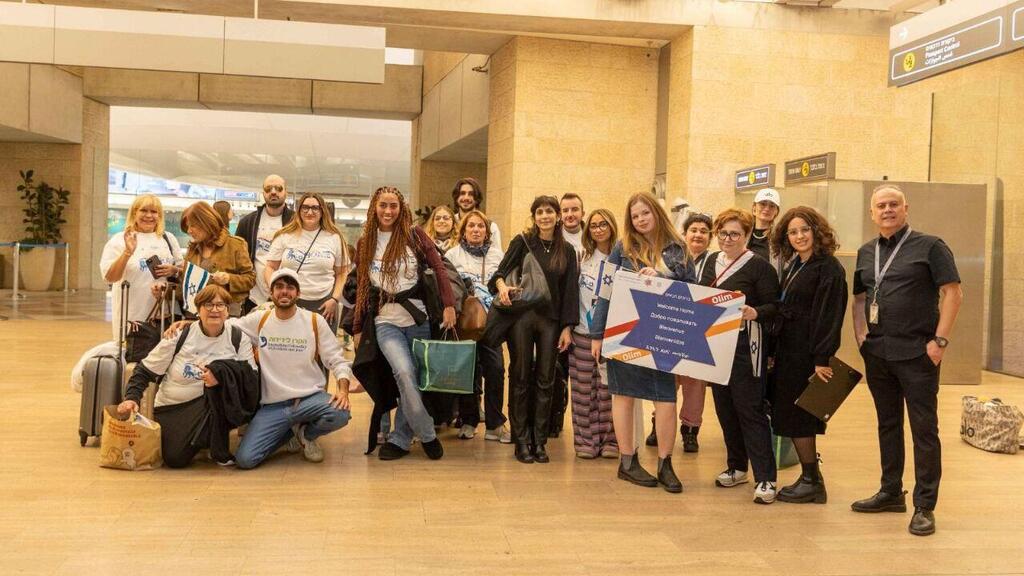
A group photo of some of the immigrants who arrived in Israel this month
(Photo: Elisha Henkin)
He said Diaspora Jewry is also undergoing a significant shift. In the past, many young people distanced themselves from Jewish and Zionist identity, but the events of Oct. 7 have strengthened ties to Israel and the Jewish people. “There are about 100,000 Jews in the United States who, until Oct. 7, were not engaged. They are Jewish, but they did not send their children to Jewish schools, did not attend synagogues and stopped defining themselves as Jews.
"Since Oct. 7, they were hit, like us, with the shock of their lives. They are taking it in a different direction and understand they are part of this people. They are connecting, joining Jewish community centers, exploring their Jewish identity. They want to be part of the Jewish people and no less part of the State of Israel. You see more involvement and a move closer to Judaism, and perhaps even to Israel, rather than the distancing that developed during the war over the past two and a half years.”
In the interview, he called for helping new immigrants in every way and pledged assistance from the World Zionist Organization. “Immigrating to Israel is very difficult, but the more difficult task is integrating here. I say to everyone listening now: let’s help immigrants integrate. Immigration is not only the government’s task, and not only the task of the World Zionist Organization or the Jewish Agency. Immigration is a mission for the entire people. Let’s see how we embrace them.”
Hagoel said strengthening Jewish and Zionist identity is not limited to religious or political questions but relates to every Jew’s sense of belonging and security. “On Oct. 7, our sense of security was shaken, and when that happens, you look for something to hold on to. One of the things we want to hold on to is strengthening our identity — taking it to a place where you want to reinforce who you are.”
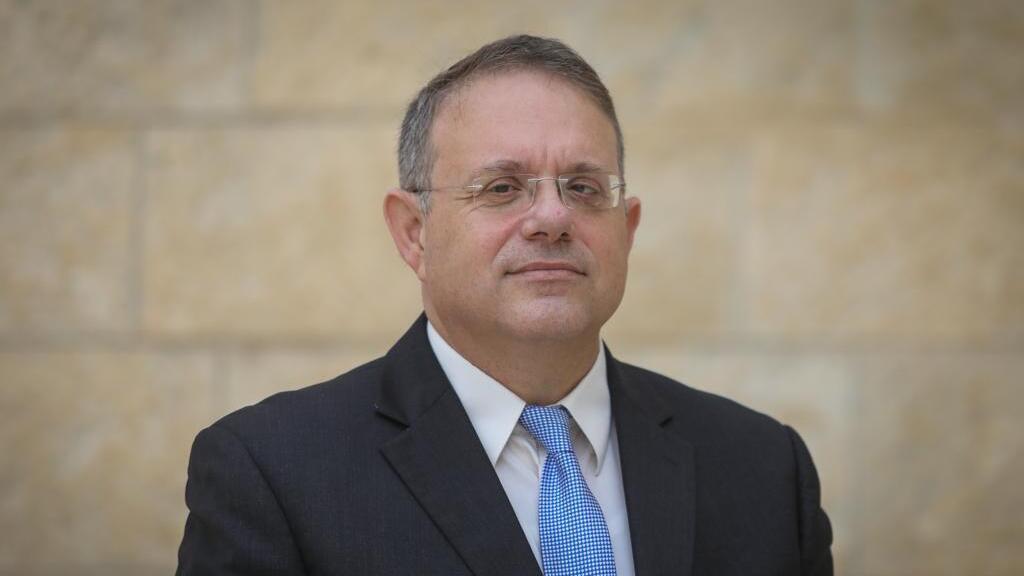
Yaakov Hagoel, chairman of the World Zionist Organization
(Photo: Marc Israel Sellem)
He stressed the importance of unity as a foundation for strengthening Zionism. “Without unity among the Jewish people, nothing can be achieved. Unity is not uniformity. It is permissible to think differently and to disagree, but there is a way and a tone. The rifts in Israeli society, unfortunately, affect divisions in the Jewish world. It trickles down and causes harm.”
He described incidents that underscored that impact. “I heard in New York from a returning hostage who came home and described how he heard more than once Hamas captors tell him, ‘Sir, we chose Oct. 7 because you were busy fighting among yourselves. We identified a weak point and said this was the time to strike.’”
Alongside social and political challenges, Hagoel sees immigration to Israel as a key opportunity to strengthen Zionism and national resilience. “If we know how to bring immigrants here, we can bring more than 100,000, we can bring 1 million in the next five years. That will change the Middle East. It will change the atmosphere among our neighbors by strengthening us here. People want to leave the country, but when people come to Israel, it will strengthen us and create a growth engine — economically and in values — in the Jewish state.”
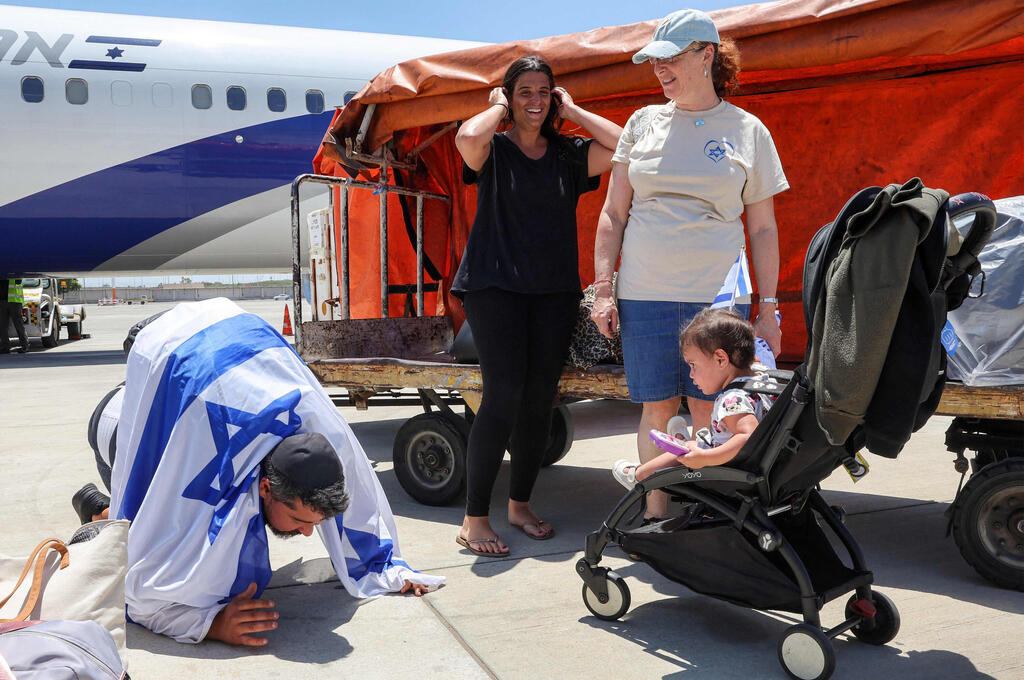
New immigrants at Ben Gurion Airport
(Photo: Jack GUEZ / AFP)
Hagoel also addressed the importance of messaging and public diplomacy abroad. “We are still not operating with yesterday’s tools, not enough. We must remember that the axis of evil invested significant resources on Oct. 7 in this arena as well — tens of millions of dollars to create a narrative of antisemitism, anti-Israel sentiment and anti-Zionism,” he said, stressing the need to enlist influencers, social media figures and Jewish communities in the Diaspora as ambassadors for Zionism and Jewish identity.
In conclusion, Hagoel framed Zionism as a value that connects Jews worldwide, whether they live in Israel or the Diaspora. “We see the Jewish people as one people — those who live in Israel, those who, with God’s help, will live in Israel, and those who choose not to live here. The State of Israel is the home of us all. It is their country. It is like when you and I get married and leave home, but can return to our parents’ house whenever we want — that is the State of Israel.”