


After months in which no rabbinical certification exams were held, the Chief Rabbinate has announced that registration is now open for all ordination exams — for men and women alike. Registration opened Wednesday and will close at the end of February. The first exams are scheduled to take place after Passover.
The subjects now open for registration include Shabbat, holidays, kashrut and dietary laws, family purity laws, marriage and kiddushin, marriage registrars, kashrut supervisors, eruvin, mikvaot, agricultural commandments applicable in the Land of Israel, prayer and blessings, Passover, festivals and intermediate days and life-cycle celebrations.
Gallery
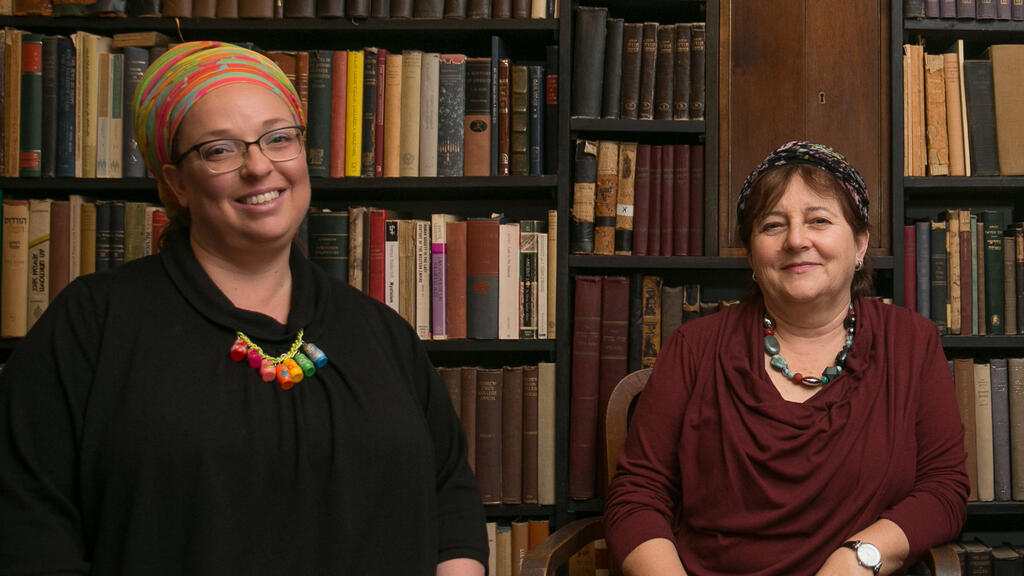
Two of the women rabbis who petitioned in the case, Rachel Keren and Sarah Segal Katz
(Photo: Ohad Zwigenberg)
Following a petition filed by six women along with the ITIM advocacy group, the Rackman Center for the Advancement of the Status of Women and Kolech – Religious Women’s Forum, the High Court of Justice ruled in July 2025 that women must be allowed to take the exams. At the time, Deputy Supreme Court President Justice Noam Sohlberg wrote that barring women — “learned, righteous and wise” — from taking the Chief Rabbinate’s exams constituted prohibited discrimination, lacking any sufficient justification.
In October 2025, the Rabbinate sought a further hearing before the court and proposed allowing women to sit for only certain exams — Shabbat and family purity. To receive rabbinical ordination in Israel, candidates must pass six exams administered by the Chief Rabbinate: three mandatory exams in religious law, kashrut and family purity, and three additional exams chosen from a list of subjects considered less advanced.
Traditionally, the Chief Rabbinate allowed only men to take these exams. In response to previous petitions seeking equality, the Religious Services Ministry created a parallel track of knowledge exams for women, issuing a certificate not granted through the Rabbinate. After the current government was formed, that alternative was canceled. The matter returned to the Supreme Court, which ordered the Rabbinate to open the exams to women. In the months that followed, the Rabbinate avoided implementing the ruling by refraining from holding the exams altogether, including for men.
In November, Supreme Court Chief Justice Yitzhak Amit rejected the Rabbinate’s request for reconsideration and ruled that all exams, in every subject, must be opened to women. Amit criticized the Rabbinate, writing that its request and proposed alternative framework amounted to an attempt to circumvent an explicit judicial ruling and effectively return to the pre-judgment status quo.
In its announcement Wednesday, the Chief Rabbinate said registration had opened for exams leading to certification as “Yoreh Yoreh” (rabbinical ordination), neighborhood rabbi, moshav rabbi, regional rabbi and city rabbi. It added that, alongside the opening of registration and in accordance with a decision by the Chief Rabbinate Council, a professional committee has been established to review exam criteria and lead a comprehensive reform of the certification system, expected to be published later this year.
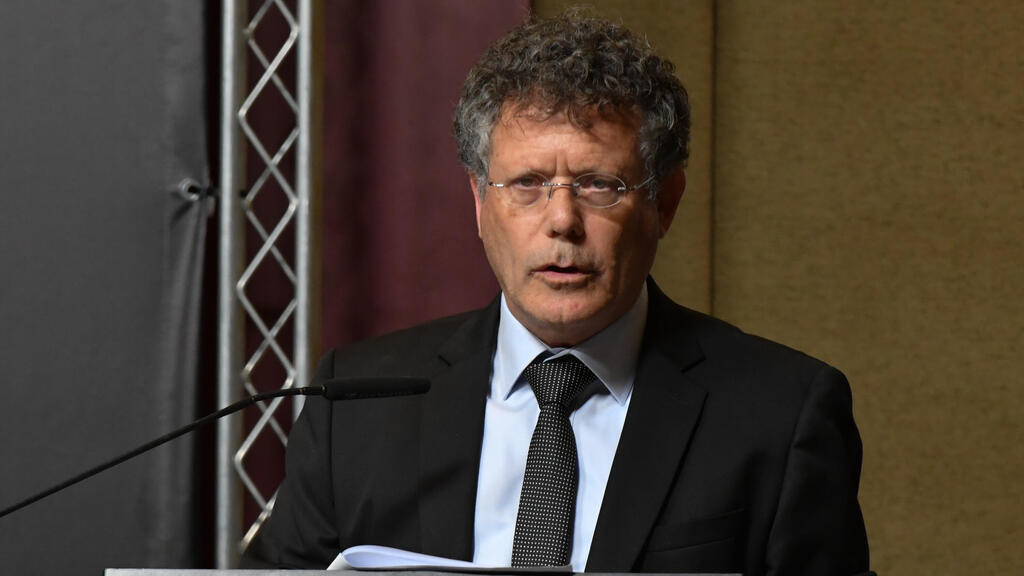
Supreme Court Chief Justice Yitzhak Amit
(Photo: Nahum Segal)
Petitioners welcomed the development but expressed concern over the additional language in the announcement, saying it may signal future obstacles for women seeking certification. Women who entered the registration website found a notice stating: “Please note — the eligibility requirements and criteria for granting rabbinical certification are expected to change under a new framework currently being formulated. The scope of its application to examinees will be determined at a later date. It is hereby clarified that the new framework will fully apply to all examinees, including those for whom this is their first exam.”
‘We will ensure that only those worthy receive certification’
Israel’s two chief rabbis, Sephardi Chief Rabbi David Yosef and Ashkenazi Chief Rabbi Kalman Ber, issued a joint statement that did not explicitly address women’s eligibility. “The exams conducted by the Chief Rabbinate are a tremendous spiritual enterprise,” they wrote, noting that about 13,000 yeshiva students sit for the exams annually. “With God’s help, we will do everything in our power to ensure that this great enterprise continues with even greater strength, to increase Torah study and halachic scholarship in Israel. We will firmly safeguard that only those who are worthy under Jewish law to bear a certificate signed by the Chief Rabbinate receive one, and those who are not worthy will not.”

Chief Rabbis David Yosef and Kalman Ber
(Photo: Alex Kolomoisky, Mendi Twito)
Chief Rabbinate Director General Yehuda Cohen said the opening of registration for the Iyar 5786 exam session was intended to allow candidates to continue their studies and certification process in an orderly and accessible manner. “The Chief Rabbinate is working to provide clear guidance and structured processes, with the aim of ensuring respectful and appropriate service,” he said, wishing all candidates success.
ITIM, which initiated and led the High Court petition, called the development “a historic event by any measure,” saying it was proud to have enabled Torah-observant women to take the exams and benefit from the fruits of their scholarship.
Rabbi Dr. Seth Farber, chairman of ITIM, added: “We welcome the Chief Rabbinate’s decision to honor the High Court ruling and open the certification exams to women. This is an important and meaningful step that strengthens public trust in religious institutions and reflects a commitment to equality within the framework of halacha and the law. We hope the registration and examination process will proceed smoothly, professionally and respectfully, so that every candidate can realize her aspirations in Torah study and certification. This is good for Torah, good for Israeli society and good for the future of Orthodoxy in Israel.”