

The British government has accepted all 27 recommendations from an independent review of antisemitism in schools and colleges in England, promising to strengthen protections for Jewish pupils. But the findings reveal a deeper problem: children facing antisemitic harassment, families losing confidence in schools and incidents going unreported. The question now is whether the recommendations will bring meaningful change.
Published on October 21, the review, led by Sir David Bell, a former chief inspector of schools in England, documents antisemitic abuse affecting Jewish children both inside and outside the classroom. It includes the case of a 14-year-old Jewish girl who was called "Jew bitch" on a bus and physically attacked in a separate incident. The experiences left her anxious and fearful.
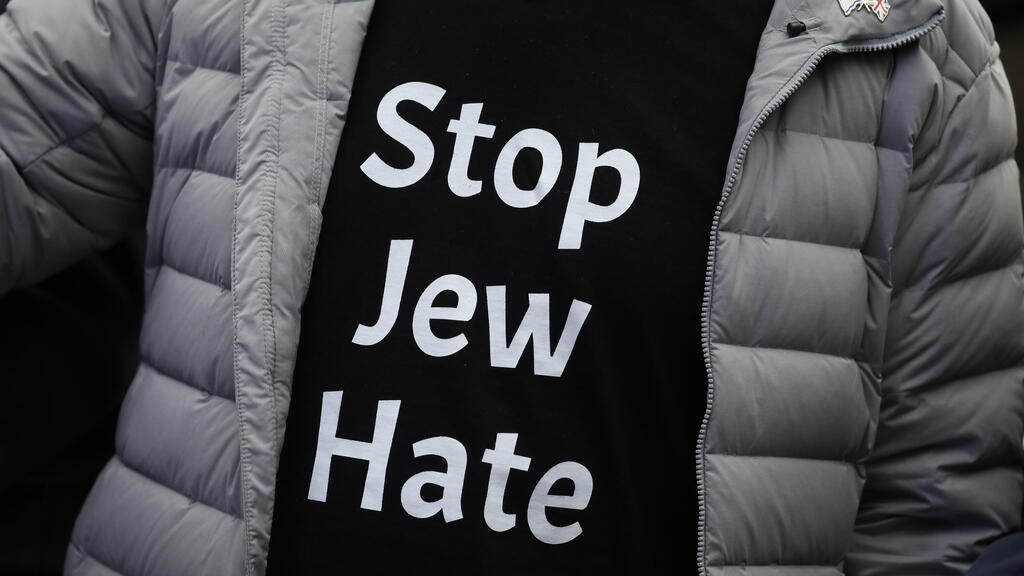
A protester wearing a shirt calling for an end to hatred against Jews, London, May 2026
(Photo: Alishia Abodunde / Getty Images)
In another case, a teacher referred to a Jewish pupil as "that Jew" while speaking to another teacher, within earshot of the entire class. At one Jewish school visited by the review team, every pupil in a particular class was able to describe a personal experience of antisemitic abuse while traveling to or from school.
For some children, the fear has changed how they behave in public. Evidence submitted to the review described Jewish pupils avoiding wearing their school uniforms outside because they feared harassment. One respondent reported that a school had suggested pupils remove their kippahs, traditional Jewish head coverings, while traveling to avoid abuse.
Yet the problem extends beyond the incidents themselves. The review highlights growing distrust among Jewish families who believe their complaints are not being properly addressed.
"Jewish families have stopped reporting because previous reports went nowhere," one submission stated.
A survey cited in the review found that approximately half of young people who had experienced or witnessed antisemitism had not reported it. Some believed the incidents were not serious enough to report, while others doubted they would be taken seriously. Among respondents who said incidents had been reported, 27% considered their school or college's response ineffective.
These findings raise questions about whether schools consistently recognize antisemitism, properly record incidents and provide meaningful support to affected pupils.
27 recommendations, but will anything change?
The review proposes 27 measures intended to improve how schools and colleges prevent, identify and respond to antisemitism. The government has accepted every recommendation and says implementing them is now a priority.
The proposals include better training for school leaders and safeguarding staff, clearer guidance recognizing antisemitism as a potential safeguarding concern, improved reporting and recording procedures, and stronger support for pupils and schools.
The review also recommends addressing antisemitism through school policies, teaching and leadership, rather than responding only after incidents occur. It calls for schools and colleges to be encouraged to adopt the International Holocaust Remembrance Alliance's working definition of antisemitism.
The government has established an implementation group to oversee progress, while Bell has been commissioned to assess the situation again after one year.
But accepting recommendations does not guarantee that pupils' experiences will improve. The review's findings suggest that one of the central challenges will be restoring confidence among families who have stopped reporting incidents because they believe their complaints will not lead to meaningful action.
The effectiveness of the proposed changes will depend on whether school leaders and staff recognize antisemitic incidents, respond consistently, record complaints properly and provide appropriate support to affected children.
For Jewish pupils who already feel compelled to hide their uniforms or religious identity, the measure of success will not simply be the adoption of new policies. It will be whether they can travel to school and sit in their classrooms without fear of harassment.
With all 27 recommendations accepted and a follow-up review planned for next year, the government has committed itself to addressing the problem. Whether that commitment translates into safer schools and renewed trust among Jewish families remains to be seen.