

When is Passover 5786 (2026)?
The Passover Seder will take place this year on Wednesday night, the eve of the 15th of Nisan 5786, April 1, 2026. The first day of Passover falls on Thursday, April 2, 2026, until sundown. The intermediate days (Chol Hamoed) follow, and the seventh day of Passover will be observed on Tuesday–Wednesday, the 21st of Nisan, April 7–8, 2026. The holiday lasts for eight days outside of Israel and the eighth day is observed on Wednesday-Thursday, the 22nd of Nisan, April 8-9, 2026.
Passover holiday times in Israel
Holiday begins – April 1: Jerusalem 6:23 p.m., Tel Aviv 6:40 p.m., Haifa 6:32 p.m., Be’er Sheva 6:40 p.m., Petah Tikva 6:20 p.m., Modi’in 6:42 p.m., Netanya 6:39 p.m., Ashdod 6:39 p.m., Ashkelon 6:31 p.m., Safed 6:33 p.m., Tiberias 6:30 p.m., Eilat 6:28 p.m., Kiryat Shmona 6:28 p.m..
Holiday ends – April 2: Jerusalem 7:36 p.m., Tel Aviv 7:38 p.m., Haifa 7:38 p.m., Be’er Sheva 7:38 p.m., Petah Tikva 7:38 p.m., Modi’in 7:37 p.m., Netanya 7:38 p.m., Ashdod 7:39 p.m., Ashkelon 7:39 p.m., Safed 7:36 p.m., Tiberias 7:36 p.m., Eilat 7:35 p.m., Kiryat Shmona 7:36 p.m..
Laws and customs of Passover eve
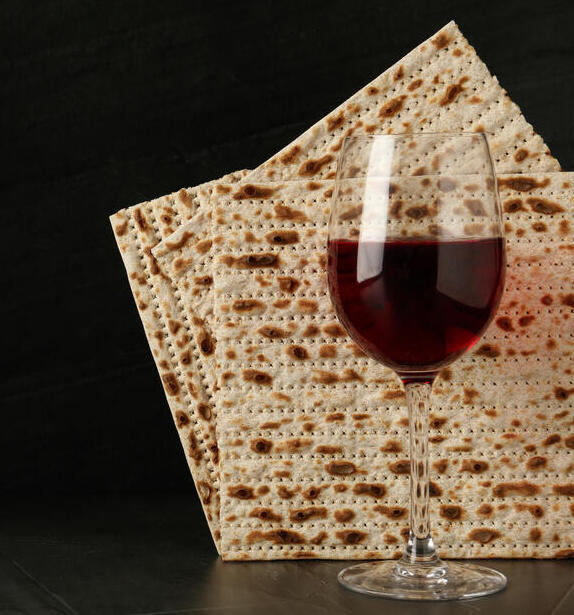
The Sages required that one search and clear his home of all leaven (chametz) before Passover. The main mitzvah is to check for chametz on the evening before the seder, the eve of the 14th of Nisan, immediately after nightfall. This year, the search for chametz will take place on Tuesday evening, March 31.
The blessing before the search:
“Blessed are You, Lord our God, King of the universe, who has sanctified us with His commandments and commanded us concerning the removal of chametz.”
(Photo: New Africa / Shutterstock)
After completing the search, one recites:
“All leaven and leavened products in my possession that I have not seen, not removed, and am unaware of, shall be nullified and become ownerless like the dust of the earth.”
Burning of chametz:
According to halacha (Jewish law), remaining chametz is burned on the eve of the holiday, 14 Nisan, this year on April 1 by 11:25 a.m. in Jerusalem, 11:27 a.m. in Tel Aviv, 11:25 a.m. in Haifa, 11:27 a.m. in Be’er Sheva.
During the burning, one recites:
“All leaven and leavened products in my possession, whether I have seen them or not, whether I have removed them or not, shall be nullified and become ownerless like the dust of the earth.”
Latest time for eating chametz (Jerusalem): Wednesday, April 1, 2026, at 10:07 a.m., 10:09 a.m. Tel Aviv, 10:07 a.m. in Haifa, 10:09 a.m. in Be’er Sheva.
Fast of the Firstborn: It is customary for firstborns to fast on Passover eve (April 1) until the seder. Today, it is common to avoid fasting by participating in a celebratory meal, such as after completing a tractate of Talmud (a siyum).
(Photo: Mykhailo Baidala / Shutterstock)
When is the seventh day of Passover?
The eve of the seventh day falls on Tuesday, April 7, 2026. The holiday itself is on Wednesday, April 8, until evening. In the Diaspora, the eve of the eighth day falls on Wednesday, April 8, 2026. The holiday itself is on Thursday, April 9, until evening.
Seventh day holiday times
Holiday begins in Israel on April 7: Jerusalem 6:27 p.m., Tel Aviv 6:44 p.m., Haifa 6:37 p.m., Be’er Sheva 6:44 p.m., Petah Tikva 6:24 p.m., Modi’in 6:46 p.m., Netanya 6:43 p.m., Ashdod 6:43 p.m., Ashkelon 6:35 p.m., Safed 6:37 p.m., Tiberias 6:34 p.m., Eilat 6:32 p.m., Kiryat Shmona 6:32 p.m..
Holiday ends in Israel on April 8: Jerusalem 7:41 p.m., Tel Aviv 7:43 p.m., Haifa 7:43 p.m., Be’er Sheva 7:42 p.m., Petah Tikva 7:42 p.m., Modi’in 7:42 p.m., Netanya 7:43 p.m., Ashdod 7:43 p.m., Ashkelon 7:43 p.m., Safed 7:41 p.m., Tiberias 7:41 p.m., Eilat 7:39 p.m., Kiryat Shmona 7:41 p.m..
When is Mimouna?
Mimouna, the holiday of North African Jewish communities, especially those of Moroccan origin, is celebrated on the evening after the seventh day of Passover — this year in Israel on April 8 at night and in the diaspora on April 9. Some say the name derives from the word “emunah” (faith), referring to belief in the coming of the Messiah. Another tradition links it to Maimon, the father of Maimonides, who lived in Morocco. Others say it comes from the word “maymoun,” meaning luck. Traditional foods include mufleta, sfenj and various sweets. Since mufleta is chametz, preparations begin only after the holiday ends.
What is 'Rumpelnacht'?
Ashkenazi Jews also have a name for the night after the seventh day of Passover: “Rumpelnacht,” meaning in Yiddish and German “the night of transition” or “the night of disorder.” Customs include packing away Passover dishes and returning chametz utensils to the kitchen. Among German Jews (Yekkes), it was customary to celebrate the end of this process by drinking beer.