

The identity shifts sparked by the war following the October 7 Hamas terror attack targeting people whose only “crime” was being Jewish are profound. Some of these shifts are already visible; others will emerge in time. This is happening not only in Israel but around the world, and right now there's no escaping it.
We are a distinct people, with a unique identity, faith and culture. The surge in national pride has deepened the need to connect with our heritage and roots. Even TV studios have taken note, featuring large menorahs to reflect this connection back to viewers.
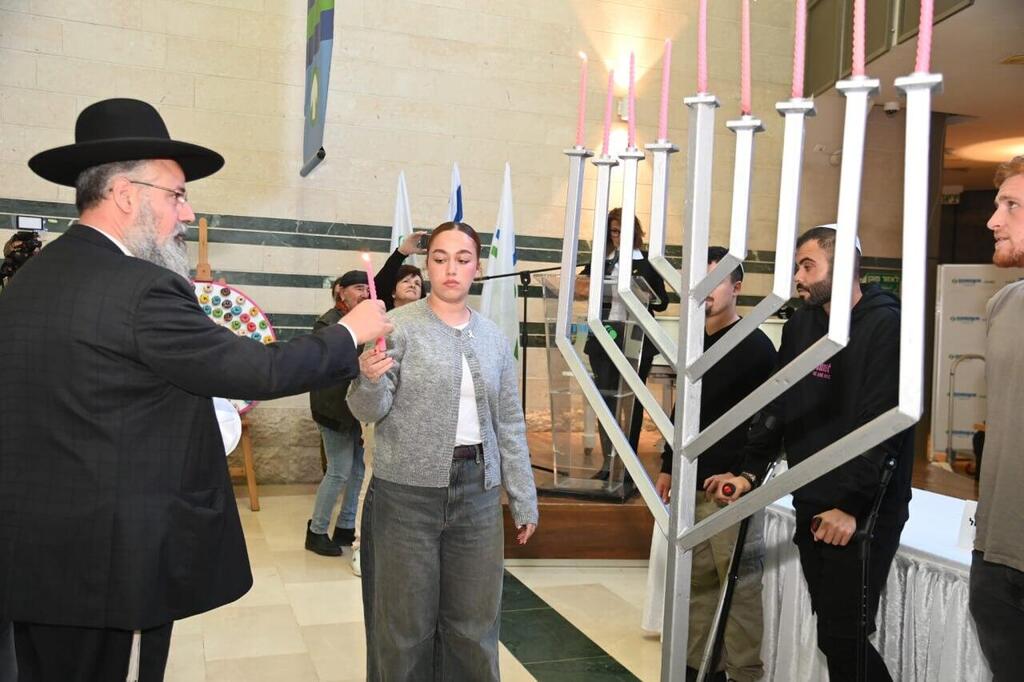
(Photo: Herzel Yosef)
And in the glow of the eight Hanukkah candles, symbolizing the Jewish victory, it’s hard to ignore that the Greeks, or more accurately, the culture they brought and that we fought against, are still very much present.
Lighting a Hanukkiah is central, but the larger question remains: which culture are we choosing? And in this regard, it’s hard to claim the Greeks have truly lost. Centuries after the Hasmoneans raised the banner of revolt, we are still engaged in a deep debate over our cultural identity as a Jewish people.
Two foreign "holidays" are gradually seeping into the Hebrew calendar, both imported from abroad and both hard to resist. Halloween (holy to whom, exactly?), with its costumes and candy, offers an enticing gateway into a familiar world of children’s books, teen novels and Hollywood movies. Kids read about it, watch it on screen, and are captivated.
With glowing pumpkins and festive imagery everywhere, the appeal is clear: why just read about it when we can take part? Halloween is far more present in their daily lives than Purim, which comes around only once a year. This holiday is a recurring feature in movies and TV shows throughout the year.
The second holiday, which this year comes just after the end of Hanukkah, is Christmas. Stores are already decked out in green, red and white, and the season’s imagery, featuring twinkling trees, gift-filled stockings, and cozy family gatherings by the fireplace, is all around us. Culturally, Christmas reaches us more deeply than many Jewish holidays, bringing magic, joy and a dose of romance.
Everything about these holidays feels idyllic, free of the tension and emotional weight that often accompany our own holidays. On screen, everyone seems so happy together, so why not join in?
But lighting the Hanukkah candles is not just a symbol of military victory; it’s above all a symbol of spiritual triumph. The spirit that fueled our strength, courage and acts of solidarity alongside love and fraternity over the past two and a half years is the product of a unique identity. An identity that, if it embraces another culture entirely, will cease to exist.
 Tamar AsrafPhoto: Private album
Those who once chose to assimilate into Hellenistic culture are no longer part of the Jewish people. It’s a process that has repeated itself throughout history, and it often begins with importing holidays from other faiths.
Lighting the Hanukkiah is not enough. We must actively invest in fostering original, local cultural works that reflect the Jewish spirit, values and worldview. Only then can we truly say we have defeated the Greeks.