


A historic synagogue in Budapest that ceased operating during the Holocaust has reopened nearly a century after it was built, following decades in which the building served as a newspaper warehouse for Hungary's national library.
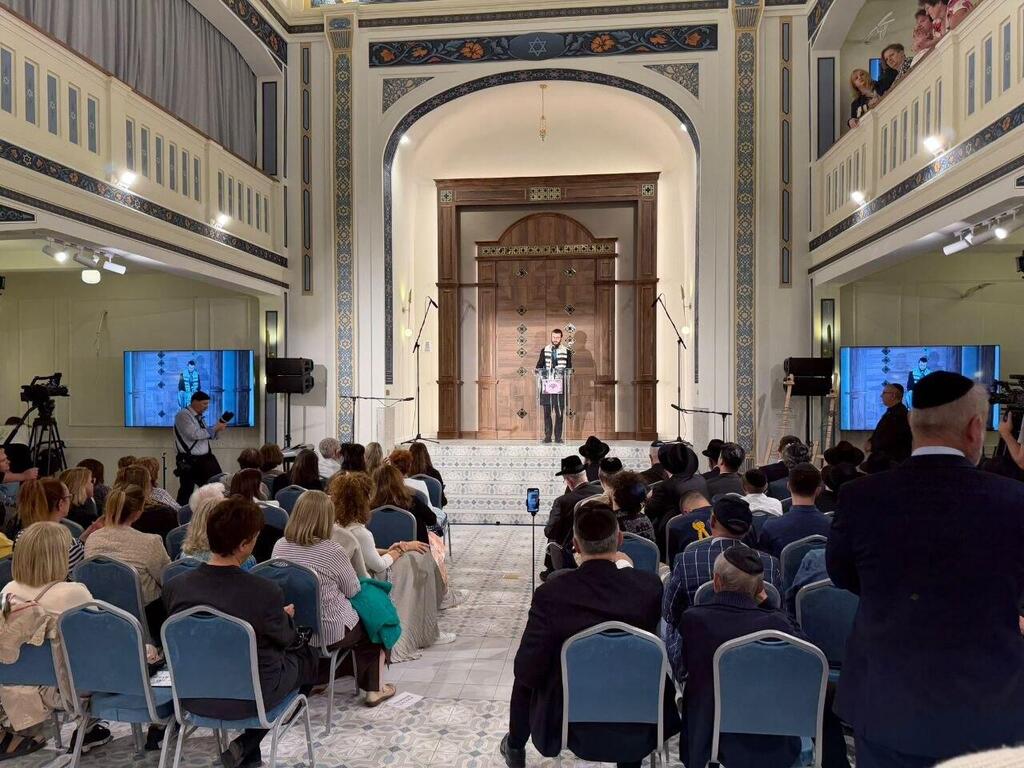
The Rákospalota synagogue, in Budapest's 15th district, was rededicated last week in a ceremony attended by descendants of the rabbi who founded it. Its return to Jewish use is part of a broader effort by EMIH, an association of Torah-observant Jewish communities in Hungary led by Chief Rabbi Shlomo Köves, to reclaim property that was nationalized or taken from the country's Jewish community.
Rededication of a Budapest synagogue nationalized by the communists
(Video: Emih)


Köves, a Chabad emissary and one of the central figures in Hungary's Jewish revival since the collapse of communism, has been leading the campaign.
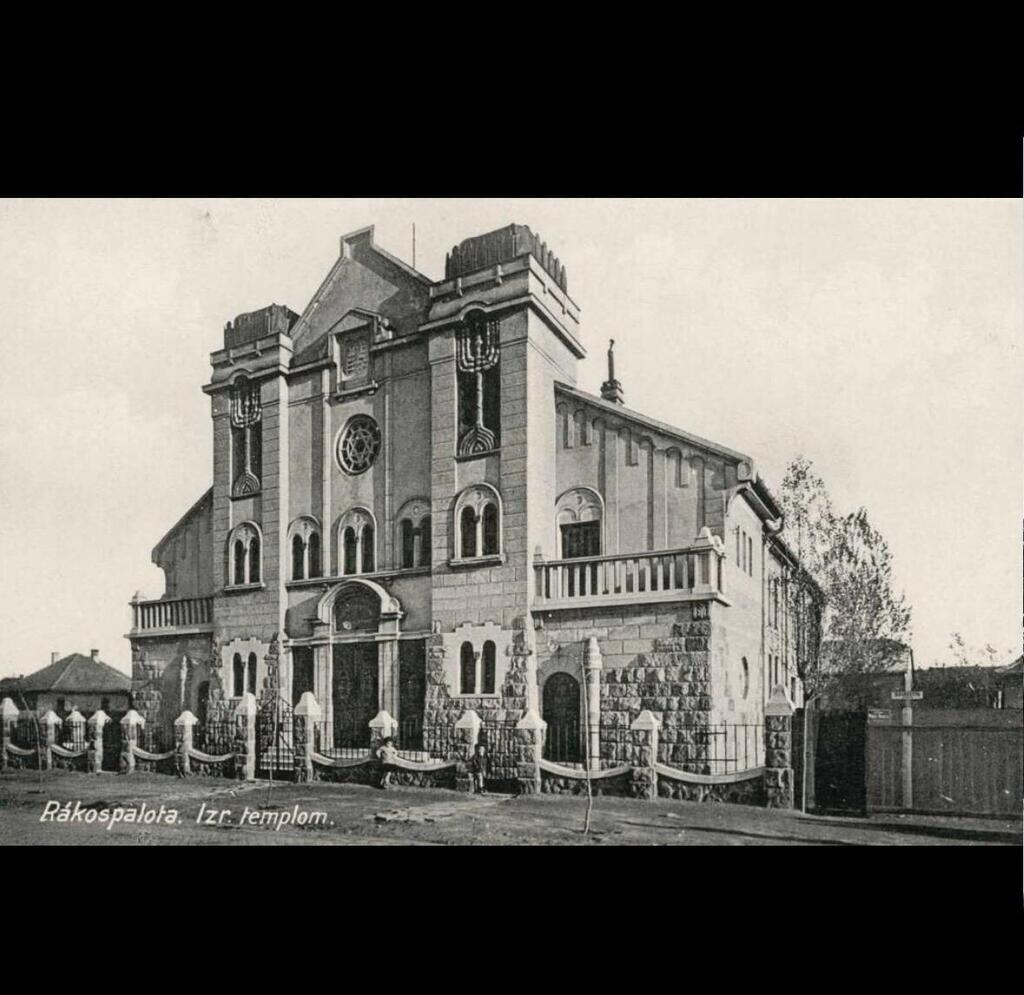
The synagogue was built in 1926 by Rabbi Michael Dushinsky and operated for only 18 years. In 1944, members of the local Jewish community were deported to Auschwitz. After the Holocaust, Hungary's communist government nationalized the building.
"When I first walked in, my heart sank," Köves recalled. "There were all kinds of old newspapers. They said, 'You want us to leave? Pay.'"
After a lengthy process, EMIH succeeded in returning the building to its original purpose, renovating it and restoring Jewish religious life there. The project was financed with funds raised by Igor Tulchinsky, a Jewish businessman from the United States.
The synagogue was also reconstructed with the help of artificial intelligence, using an old, faded photograph taken after the Holocaust as a reference.
Members of the Dushinsky family, most of whom now live in Israel, attended the rededication ceremony, along with a 34-year-old Hungarian deputy state secretary for religious affairs, Istvan Seti, who is Jewish and speaks Hebrew.
"In the new government, there has been no change in the attitude toward Jews in Hungary," he said. "There is zero tolerance for antisemitism."
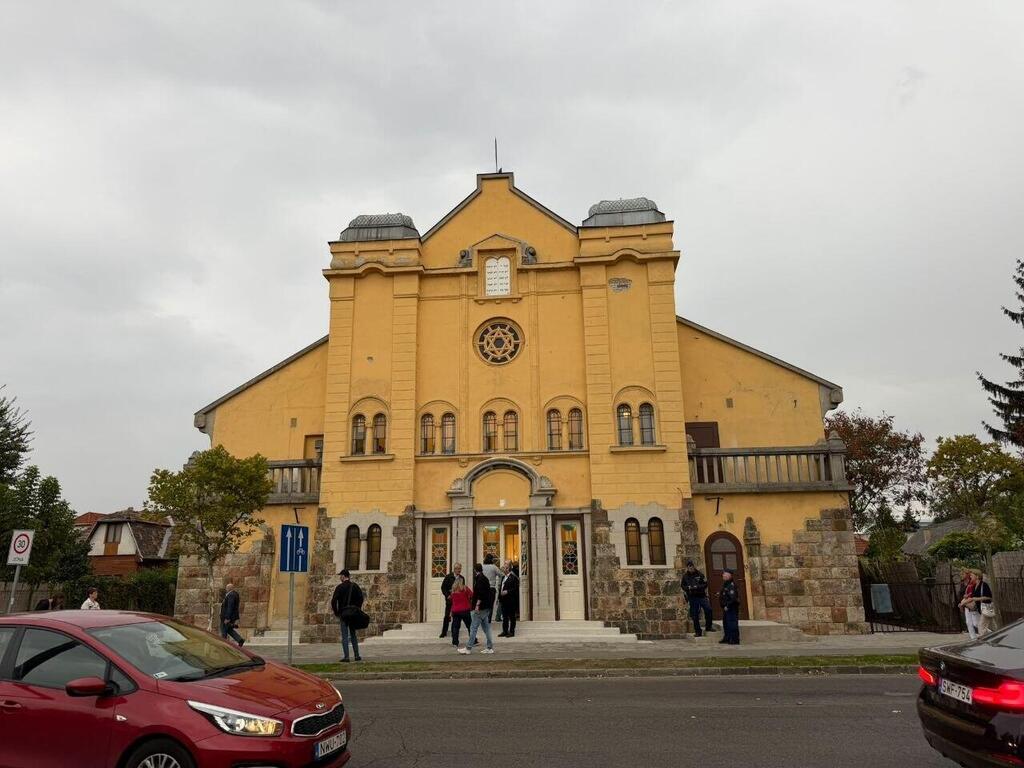
The synagogue after the renovation
(Photo: Emih)
Rabbi Michael Dushinsky, the founding rabbi's grandson, described the reopening as an emotional but complicated moment.
"I am very moved, and the other half of me is skeptical," he said. "Skeptical about everything connected with the Diaspora."
For Köves, a 47-year-old Hungarian native who became religious at age 12, the project represents more than the restoration of a building.
"I saw how deeply moving it was for Jews," he said. "It is not only that you are restoring the place. There is a feeling that something broken has been repaired."
Köves said Budapest has some 15 to 20 traditional synagogue buildings that were nationalized after the Holocaust, and he intends to work to return them one by one to their original purpose.
The Rákospalota synagogue is the sixth such building to be reclaimed, he said, while another three are currently undergoing similar processes.
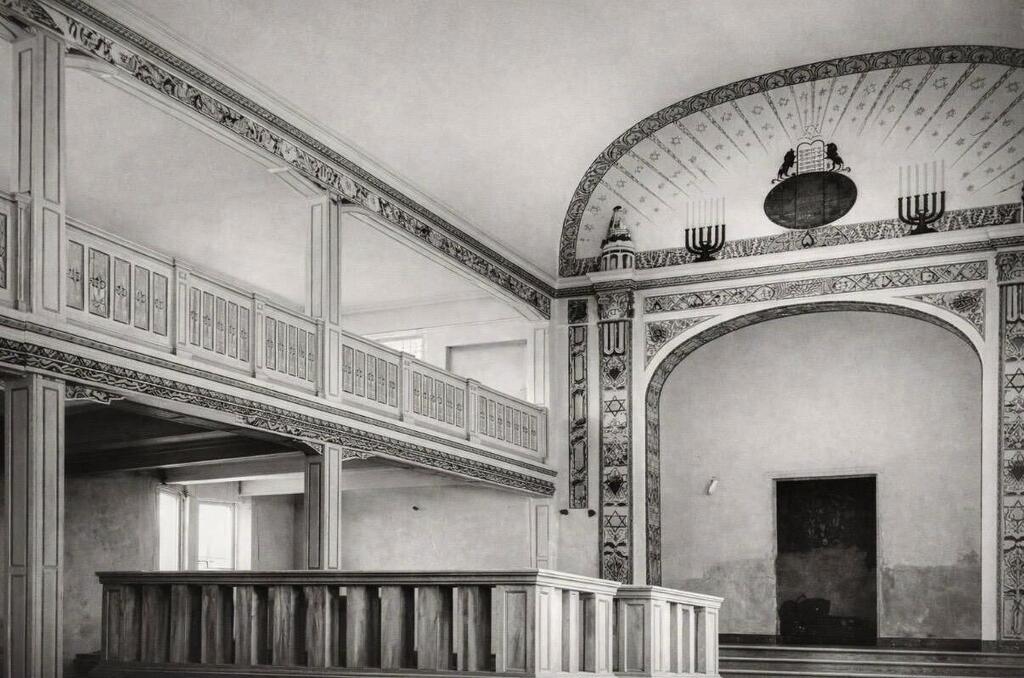
The synagogue before the Nazi invasion
(Photo: Emih)
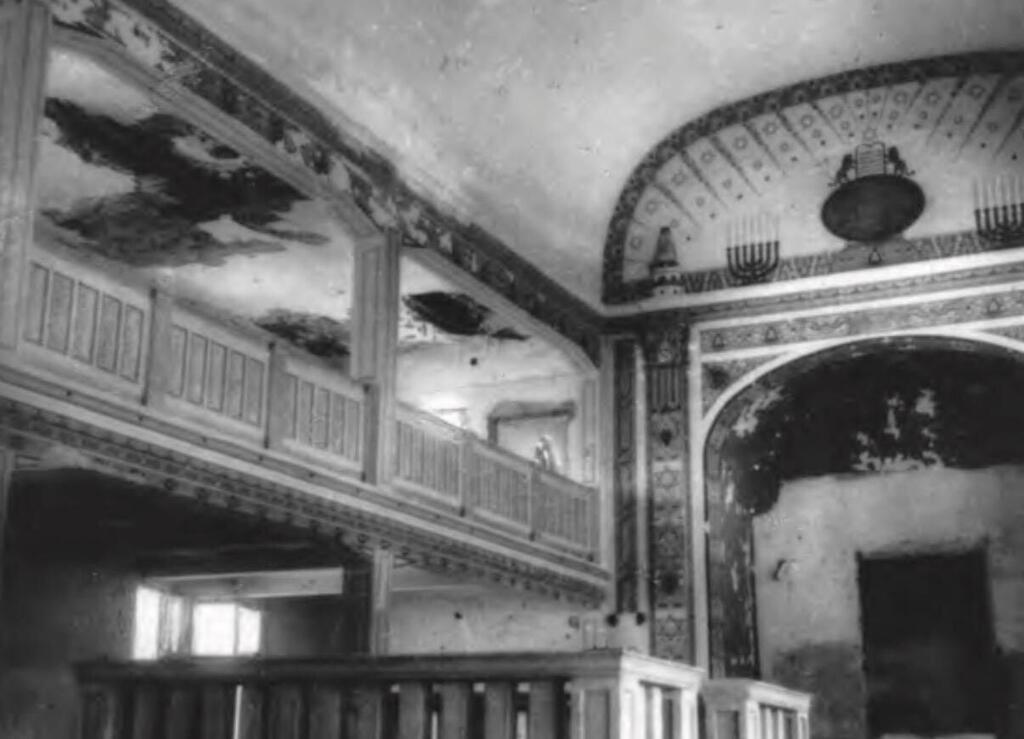
(Photo: Emih)
Among the properties he has targeted is a synagogue dating to the Ottoman era that has already been reclaimed and is awaiting renovation, as well as another former synagogue now used by a fencing club.
"I think it is a disgrace that there is a city with 100,000 Jews, and today there are synagogues being used for other purposes," Köves said. "It is our moral duty to fight for them."
The Rákospalota reopening came during a week of events organized as part of "Synagogue Week," an EMIH initiative intended to showcase the revival of Jewish life in Hungary.
During the same week, the historic synagogue on Dessewffy Street, which belongs to the Orthodox MAOIH community and had been closed for about 15 years, also reopened.
That revival carries an unusual twist: The site is set to become what organizers describe as the world's first synagogue run entirely by teenagers, as part of the international Jewish youth movement CTeen.
All of its communal officeholders, including the president and synagogue wardens, will be under 18. Its permanent rabbi will be Rabbi Tzvi Bassman, a U.S. native.
(Photo: Emih)
Köves said most of Hungary's Jews live in Budapest, but many are assimilated and disconnected from Jewish identity. Over the past two decades, however, he said there has been a broad return to Jewish life, not necessarily in the strictly religious sense, but through a search for community, identity and renewed ties to Jewish tradition.
That process accelerated sharply after the October 7 Hamas attack on Israel, he said. "Jews who had no connection suddenly became interested in Judaism," Köves said.
At the same time, he described the current atmosphere as more complicated, reporting a modest increase in street-level antisemitic incidents since the end of Viktor Orban's tenure.
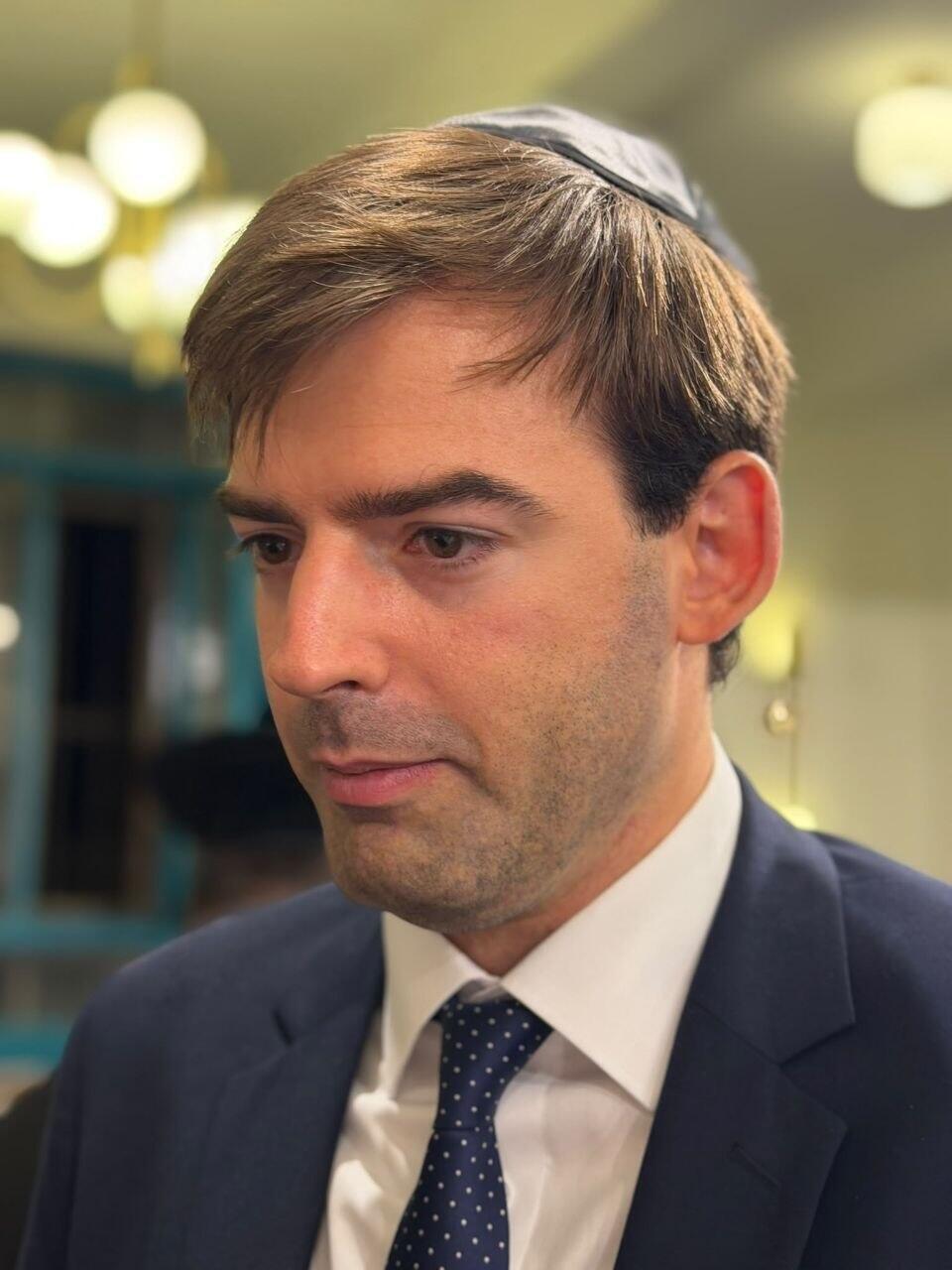
Hungary's deputy state secretary for religious affairs, István Seti
(Photo: Emih)
Köves said his son-in-law, who lives in Budapest, was verbally assaulted twice on public transportation in recent months. Budapest police, he said, treated the incidents seriously and managed to identify one of the alleged attackers, a Turkish student who is expected to be expelled from the country.
The incidents, he said, have raised questions within the Jewish community about whether such attacks would have occurred during Orban's time in power.
"There are mixed feelings toward Orban in the community. Most Jews voted against him," Köves said. "But on the other hand, you hear people longing for the almost absolute sense of security that existed in his time, which seems to have weakened somewhat recently."
Still, he stressed that Budapest remains a place where visibly observant Jews can move about safely.
"Jews can still walk safely in Budapest while visibly religious," Köves said. "Personal security here remains very strong."
Köves believes the current government also wants to maintain close ties with Hungary's Jewish community and ensure its security, "but it seems that moving processes forward takes time."
He said the community now faces two central challenges: concern over a possible rise in antisemitism under a newer and weaker government, and the continuing struggle against assimilation by rebuilding Jewish identity among younger generations.
The newly reopened youth-run synagogue, he said, is intended to address that challenge directly.