

Life in Israel can change in an instant when missiles fall, as homes and businesses can be transformed in seconds. But what often follows those moments is something just as defining, Israelis getting back up.
Across two wars with Iran in under a year, Israelis have faced repeated devastation. Yet many continue doing exactly what they were doing before: building, reporting, cooking, organizing communities, and creating spaces of connection.
For journalist Shanna Fuld and restaurant owner Feivel Oppenheim, resilience is not a slogan. It is something they have lived, sometimes only hours after explosions shook their lives.
Their stories are different, but together they tell a larger story about the determination of Israeli society to continue forward even in the face of war.
From Queens, New York to a life in Israel, Shanna Fuld did not grow up imagining she would one day become a voice explaining Israel to the world.
Raised in a neighborhood with very few Jewish families, her connection to Israel mostly came through family visits over the years.
As she was living in the U.S. and working as a journalist, she began to start thinking about what might come next. She began exploring opportunities abroad, including in Israel, a place she had always enjoyed visiting but had never seriously considered moving to. That curiosity eventually turned into a concrete step forward.
At 24 years old, Fuld made Aliyah to Israel with the assistance of Nefesh B’Nefesh, in partnership with the Ministry of Aliyah and Integration, The Jewish Agency for Israel, Keren Kayemeth LeIsrael, and Jewish National Fund-USA.
She began building a career dedicated to telling Israel’s story. In 2020, she launched Israel Daily News, a platform that provides a daily briefing on Israeli news for an international audience through podcasts, newsletters, and social media.
Today the platform reaches tens of thousands of listeners and more than 57,000 followers, offering international audiences an accessible way to understand the complexities of Israeli life.
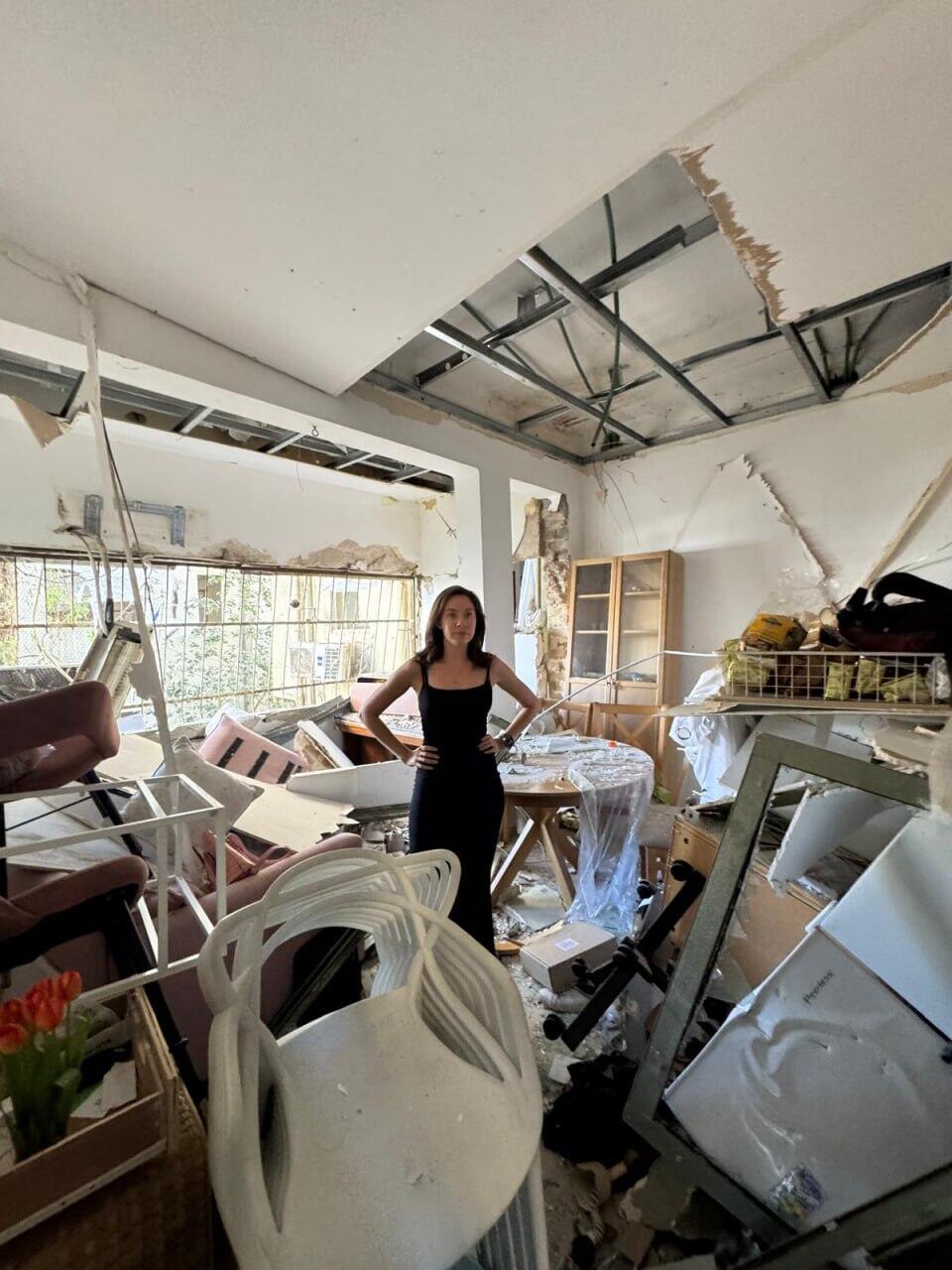
Shanna Fuld at her damaged apartment from 12-day war with Iran
(Photo: Courtesy of Shanna Fuld)
Alongside her media work, Fuld also helps build community through Tribe TLV, organizing events that connect Olim and young professionals.
Her work centers on connection, bringing people together and explaining Israel to the outside world.
Then, during the previous war with Iran, that mission suddenly became personal.
On June 16th, 2025, during the previous escalation with Iran, a missile landed outside her apartment building.
She had just finished recording a podcast episode about the unfolding war when the air raid siren sounded. Her building did not have a shelter, so she ran upstairs to a neighbor’s mamad (safe room).
“If I had run to the public shelter,” she later realized, “I would have run straight into the missile.”
Seconds later the blast hit nearby.
“It felt like a big monster outside,” she recalls. “The building shook to the side.”
When the door finally opened, the damage was immediate and unmistakable.
“The ceiling had collapsed. Everything was in disarray.”
Her apartment was severely damaged, forcing her to relocate to a hotel for two months while navigating repairs and the search for a new place to live.
But even in the middle of displacement, she continued working. She kept producing podcasts, covering missile impacts, and reporting on the war.
Sometimes, the experience still reveals itself in unexpected ways.
“Sometimes when I open a suitcase or a book that I saved,” she says, “glass still falls out.”
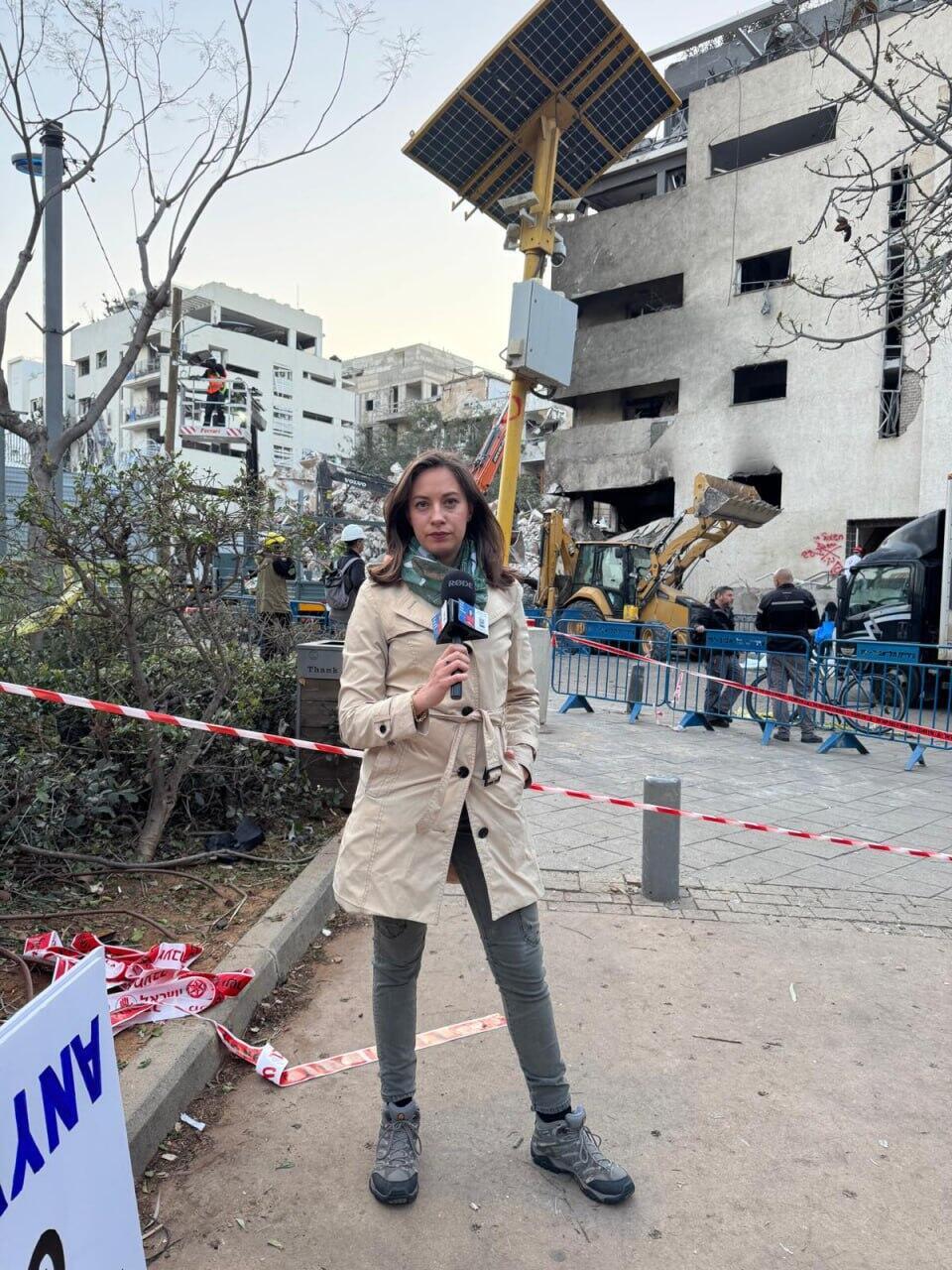
Shanna Fuld continuing to report during wartimes
(Photo: Courtesy of Shanna Fuld)
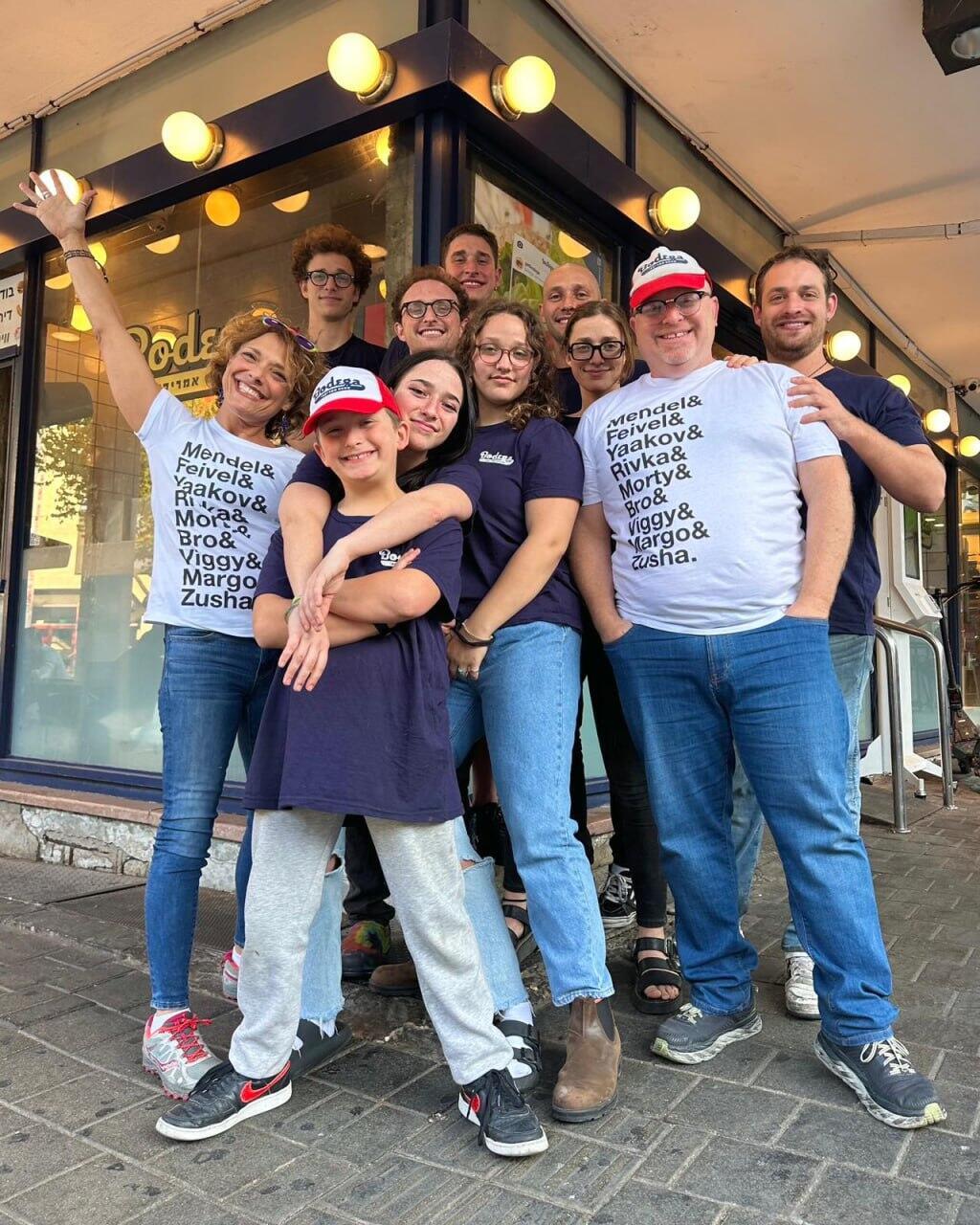
Just a few miles away in Tel Aviv, Feivel Oppenheim, who is one of nine siblings, all part of a family of Olim originally from the United States, have built a very different kind of platform for community.
The Oppenheim family owns and operates Bodega Burger, a fast-casual restaurant known not just for its famous kosher bacon cheeseburgers but for its welcoming atmosphere. For the Oppenheims, Bodega has always been about something deeper than great burgers.
“We’re not in the food business,” Feivel says. “We’re in the happiness business.”
The family designed Bodega to be a place where people feel joy, connection, and comfort.
“Food is emotion,” he explains. “We built Bodega to provide love and happiness.”
On the evening of March 7th, 2026, at the beginning of the current war with Iran, Bodega was open as it is every Saturday night and Feivel explains that “As the siren was going off, we were closing the doors to go to the shelter — and then boom.”
A powerful explosion struck nearby.
The blast wave threw Feivel backward and shattered the restaurant’s windows. Equipment inside was damaged and glass covered the floor.
But what happened next was pure Oppenheim family instinct.
“The first thought that went through our minds was: there’s no way we’ll let Iran shut us down.”
Word quickly spread to the rest of the family, and everyone just went into action. They spent hours sweeping broken glass, repairing what they could, and preparing the restaurant to reopen.
The next morning, less than 12 hours after the strike, Bodega opened its doors again. At 11:30 a.m., the restaurant was serving customers.
Some neighboring businesses encouraged them to remain closed. The family refused. Instead, they chose the opposite response.
“We won’t give our enemies what they want. We’ll give people here what they want — happiness, in the form of delicious food, and comfort, in the form of a warm hug and a welcoming smile.”
Today, as the current war continues, both Fuld and the Oppenheim family remain deeply aware of the risks.

Oppenheim family cleaning up damage
(Photo: Courtesy of Shanna Fuld)
Fuld admits she sometimes worries her new home could be struck.
“But if it happens,” she says, “I know what to do.”
Rather than allowing fear to dominate daily life, she says Israelis develop a different approach.
“In Israel, you learn to follow the rules that keep us all safe and keep living your life.”
She continues recording podcasts, reporting on missile strikes, and organizing events for the community.
The Oppenheim family continues to operate Bodega every day, closing temporarily as they must just for the sirens and regular runs to the bomb shelter.
“Stories like Shanna’s and Feivel’s reflect something we see across the Olim community in Israel,” says Natah Katz, Head of the Post-Aliyah & Advocacy Division at Nefesh B’Nefesh. “Olim come here to build a life and contribute to the country, and even during challenging times like war, we continue to see that same determination. They are not only integrating into Israeli society, they are helping strengthen it. Whether it’s through business, media, community building, or simply continuing to show up each day, Olim play a meaningful role in the nation's resilience.”
“No matter what happens,” Feivel says, “we’re going to keep going.”
For both of them, continuing their work is itself an act of resilience.
Fuld continues to provide information, helping the world understand Israel.
The Oppenheims continue to provide happiness and a place where people can gather even when the outside world feels uncertain.
For both of them, like so many Israelis, resilience is not something extraordinary. It is simply life continuing, one day at a time.
First published: 21:03, 03.12.26